Bramley
Bramley is the definitive British cooking apple, prized for its large size, vibrant acidity, and unrivaled performance in pies, sauces, and baked dishes.
Bramley is the definitive British cooking apple, prized for its large size, vibrant acidity, and unrivaled performance in pies, sauces, and baked dishes.
The story of Bramley begins in Southwell, Nottinghamshire, England, where Mary Ann Brailsford planted apple pips in 1809. One seedling flourished and, decades later, local nurseryman Henry Merryweather recognized its culinary promise, introducing the apple to commercial propagation in 1862. By 1865, 'Bramley' had gained formal recognition, quickly becoming a staple in British kitchens and orchards. Its humble origins as a chance seedling and its rise to prominence reflect both serendipity and the enduring appeal of local horticultural heritage.
Bramley belongs to the family Rosaceae, genus Malus, species Malus domestica, and is classified as the cultivar 'Bramley'. It is a triploid apple, meaning it possesses three sets of chromosomes and requires compatible pollinators for fruit set. Within apple taxonomy, Bramley is distinguished as a cooking apple, separate from dessert and cider types, and is recognized by leading authorities such as the RHS and the British National Fruit Collection.
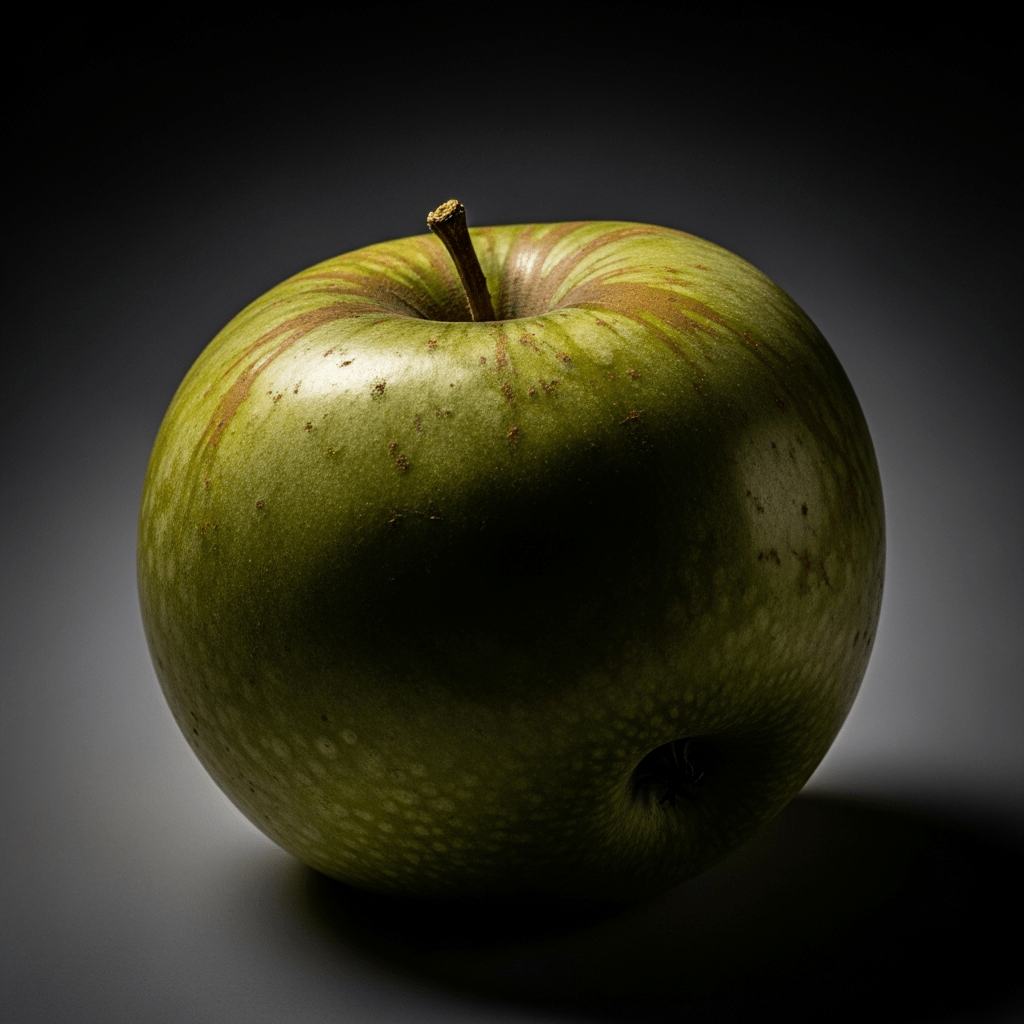
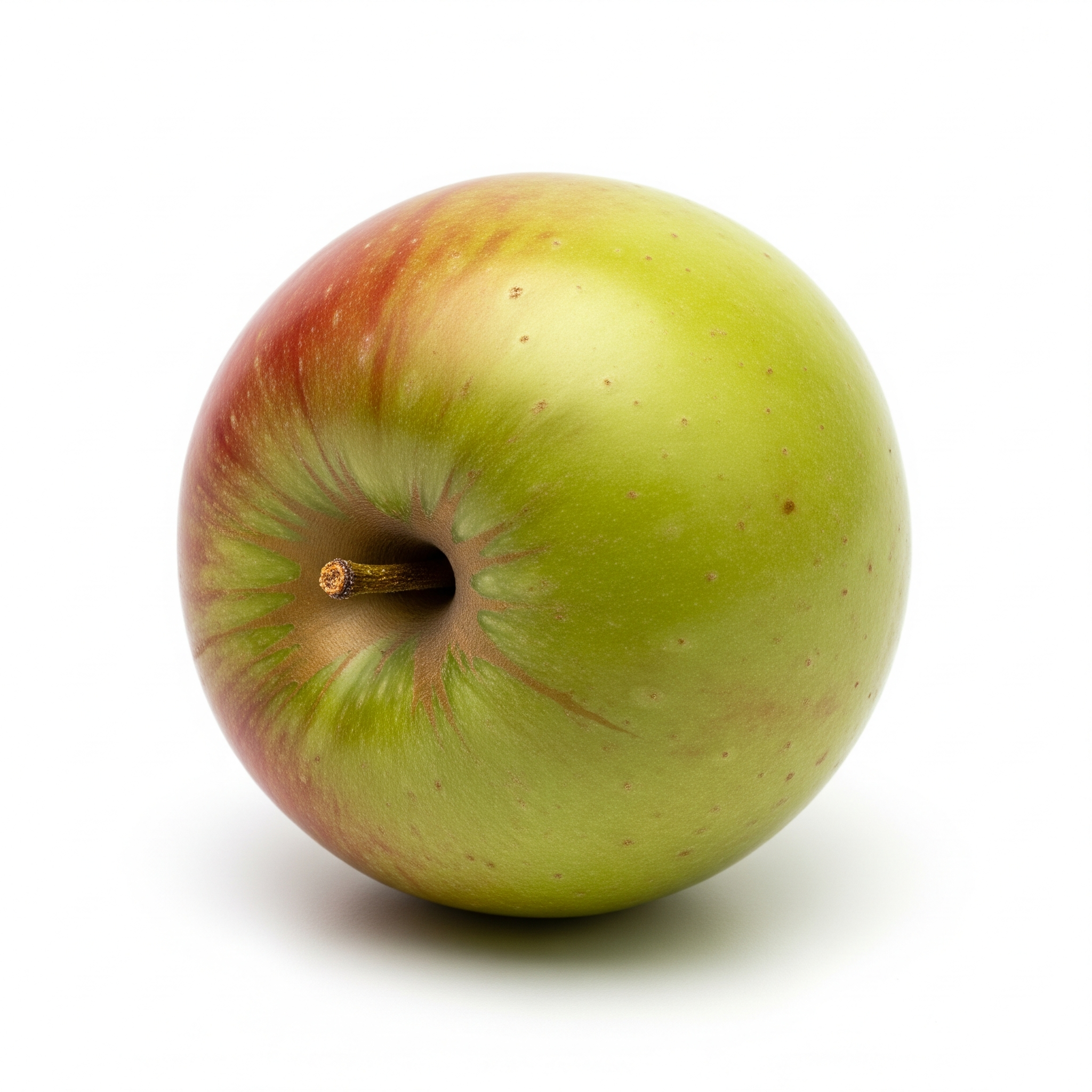
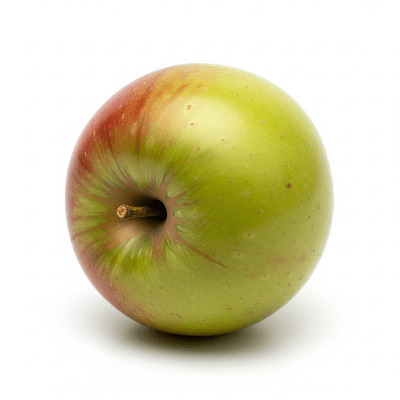
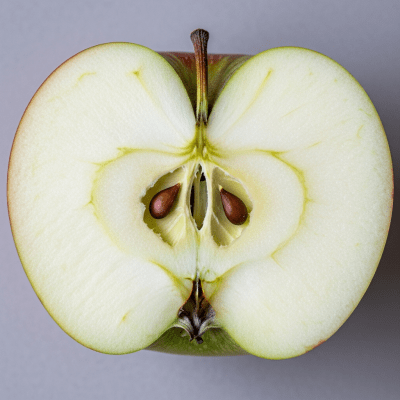
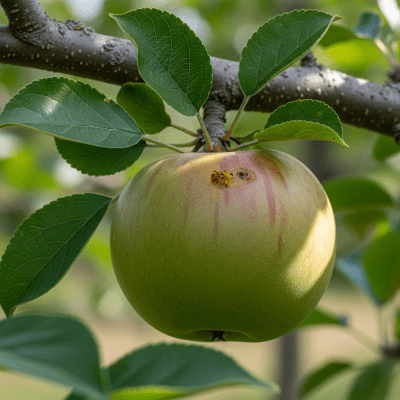
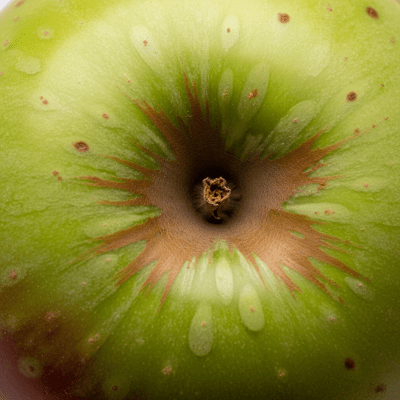
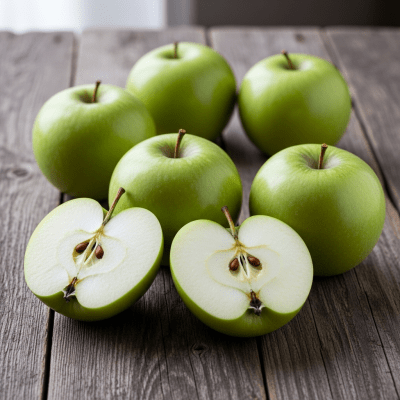
Bramley apples are notably large, round to slightly flattened, with a green skin that often displays a red blush or striping on the sun-exposed side. The flesh is white, firm, and dense, offering a crisp bite when raw. Their robust size and vivid coloring make them instantly recognizable among apple varieties. When cooked, the flesh transforms into a light, fluffy purée—a hallmark of Bramley's culinary appeal.
Bramley is celebrated for its superior cooking qualities. Its high acidity and low sugar content mean it rarely appears as a dessert apple, but when baked or stewed, it breaks down beautifully, creating a soft, airy texture perfect for pies, crumbles, and sauces. Bramley apples are occasionally used in cider blends, though their main role remains in the kitchen. The trees themselves are vigorous and long-lived, with a spreading habit and notable resistance to apple scab.
Bring this kind into your world illustrated posters, mugs, and shirts.
Archival print, museum-grade paper
Buy Poster
Stoneware mug, dishwasher safe
Buy Mug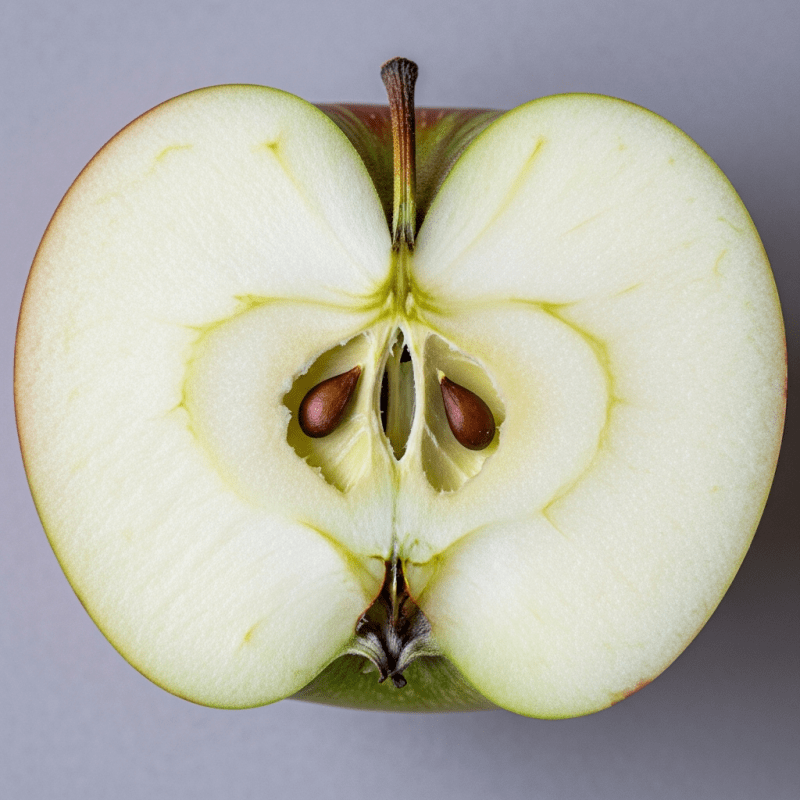
Soft cotton tee, unisex sizes
Buy ShirtBramley is woven into the fabric of British culinary tradition, featured in countless recipes and beloved for classic dishes such as apple pie and crumble. Its legacy is celebrated in Southwell, where the original tree still stands as a living monument. Bramley apples have become an icon of British cookery, referenced in literature, cookbooks, and local festivals, symbolizing both heritage and the enduring importance of regional fruit varieties.
Bramley apples offer a bold, tart flavor with pronounced acidity and minimal sweetness. The aroma is fresh and lively, and the texture is firm and crisp when raw. Upon cooking, the flesh softens and mellows, delivering a delicate, fluffy consistency and a bright, tangy taste that enhances both sweet and savory dishes.
Bramley apples are most widely cultivated in the United Kingdom, particularly in England and Ireland, where they dominate the cooking apple market. Limited commercial and heritage plantings exist in New Zealand and other temperate regions, but Bramley remains a distinctly British cultivar with its strongest presence in local orchards and supermarkets.
The parentage of Bramley is unknown; it originated as a chance seedling grown from pips by Mary Ann Brailsford in 1809. No documented controlled cross exists, and its genetic lineage remains a mystery. As a triploid cultivar, Bramley requires compatible diploid apple varieties nearby for effective pollination and fruit set.
Bramley is classified as common and is not considered endangered or rare. Its widespread cultivation and continued commercial demand ensure its ongoing presence in orchards and markets, particularly throughout the United Kingdom.
Among cooking apples, Bramley stands as the benchmark, but other notable varieties include 'Grenadier', 'Newton Wonder', and 'Lane's Prince Albert'. Each offers unique culinary traits, yet Bramley's combination of size, acidity, and texture keeps it at the forefront of British cookery.
Bramley apples are typically harvested in late September to early October in the UK. They are available in markets throughout autumn and winter, with stored fruit often extending availability well into the spring months.