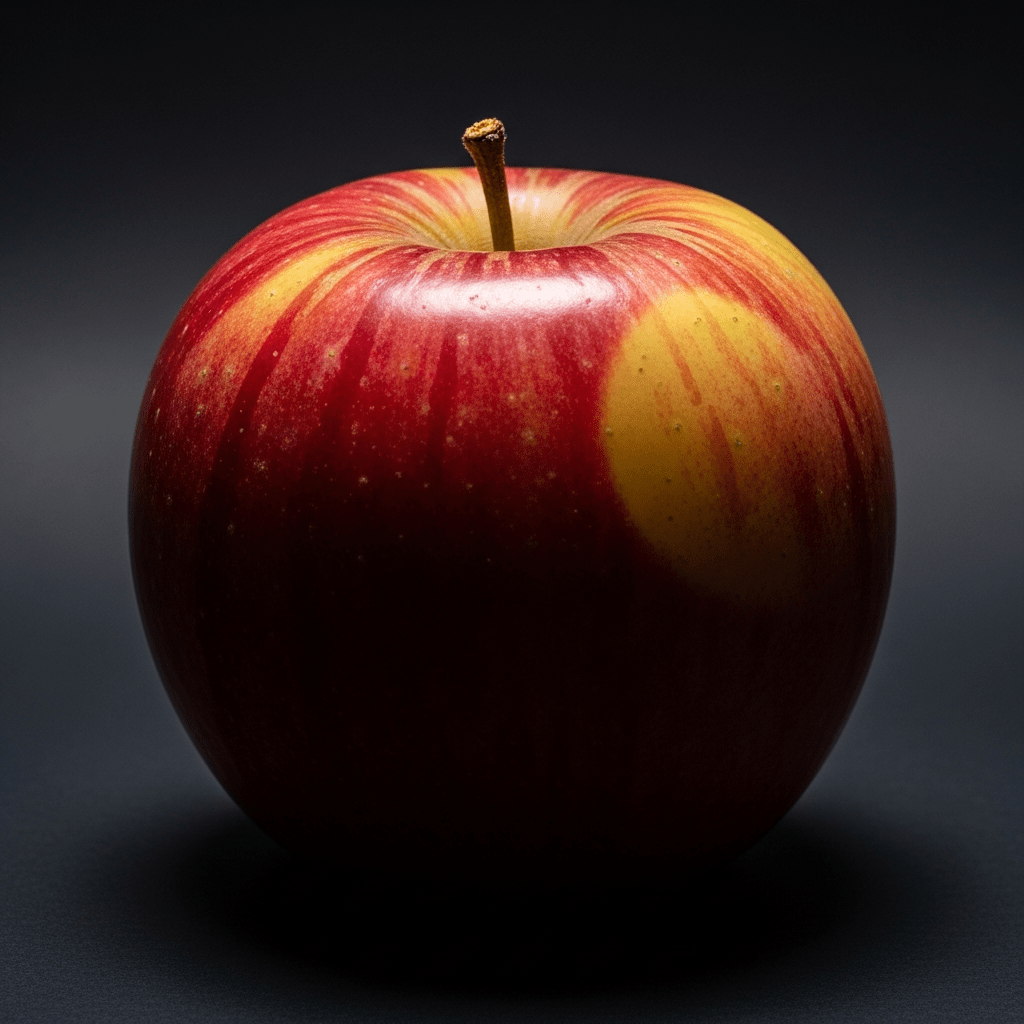
Braeburn
Braeburn is a celebrated apple cultivar known for its crisp texture, balanced flavor, and exceptional versatility in fresh eating and culinary use.
Braeburn is a celebrated apple cultivar known for its crisp texture, balanced flavor, and exceptional versatility in fresh eating and culinary use.
Braeburn originated in New Zealand, discovered as a chance seedling in the Braeburn Orchard near Motueka, South Island, in 1952. Its unique qualities quickly attracted attention, leading to rapid commercial cultivation both locally and abroad. The apple's rise in popularity during the latter half of the 20th century marked New Zealand as a significant contributor to global apple breeding and export markets.
Braeburn belongs to the family Rosaceae, genus Malus, species Malus domestica, and is classified as the cultivar 'Braeburn'. This places it firmly within the core group of domesticated apples, recognized for their diversity and adaptability in both horticultural and culinary contexts.
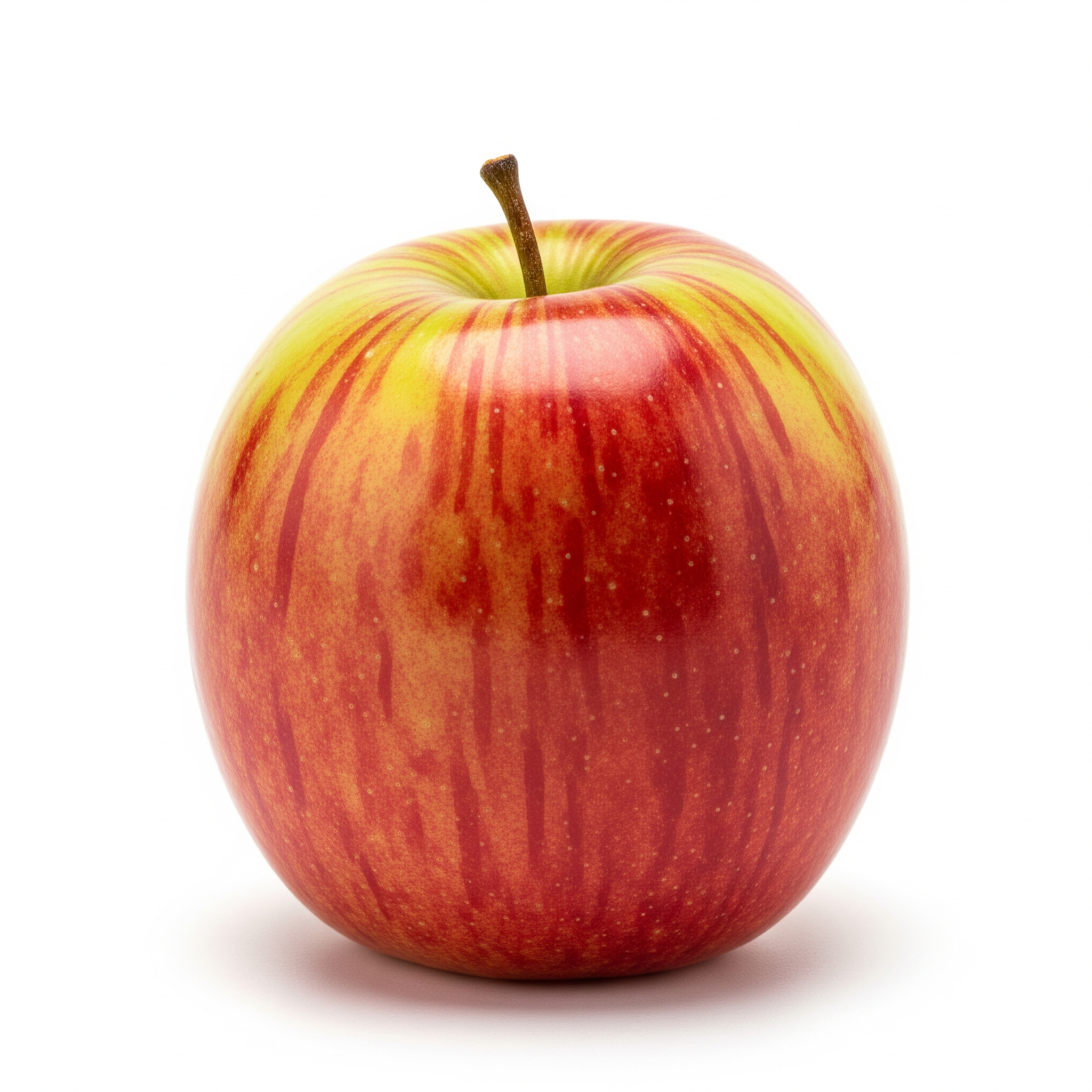
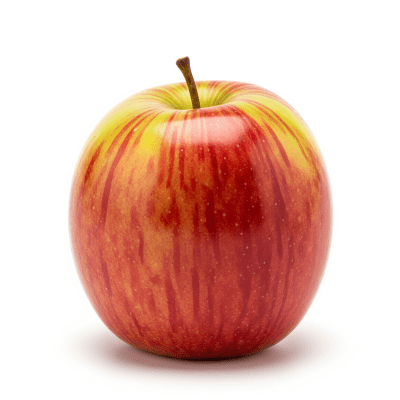
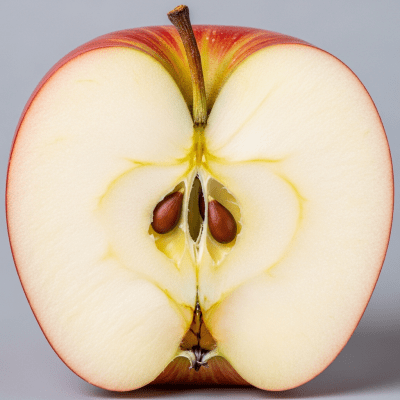
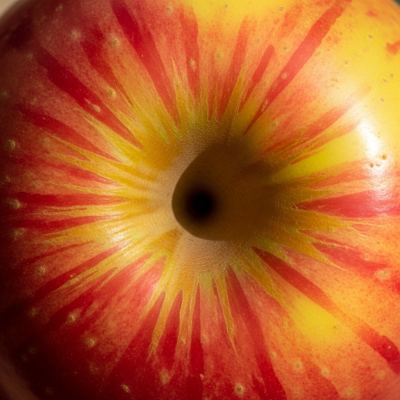
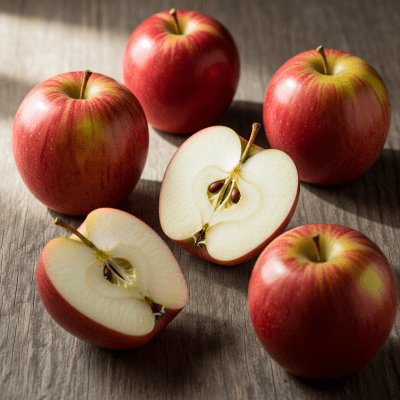
Braeburn apples are medium to large, round to oval, with smooth, thin skin. Their coloring features a green to yellow background overlaid with vibrant red to orange blush and vertical streaks. The flesh is pale cream, remarkably firm and crisp, delivering a juicy bite that is both refreshing and satisfying.
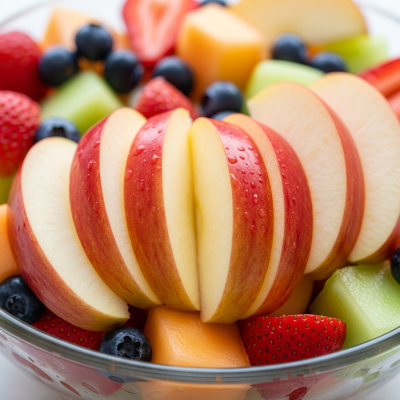
Primarily enjoyed as a dessert apple, Braeburn is prized for fresh eating due to its crunch and complex flavor. Its firm texture holds up well in baking and cooking, making it a favorite for pies, tarts, and sauces. Occasionally, it is used in cider blends, adding brightness and aromatic depth. Its long storage life further enhances its appeal for both home and commercial use.
Bring this kind into your world illustrated posters, mugs, and shirts.
Archival print, museum-grade paper
Buy Poster
Stoneware mug, dishwasher safe
Buy Mug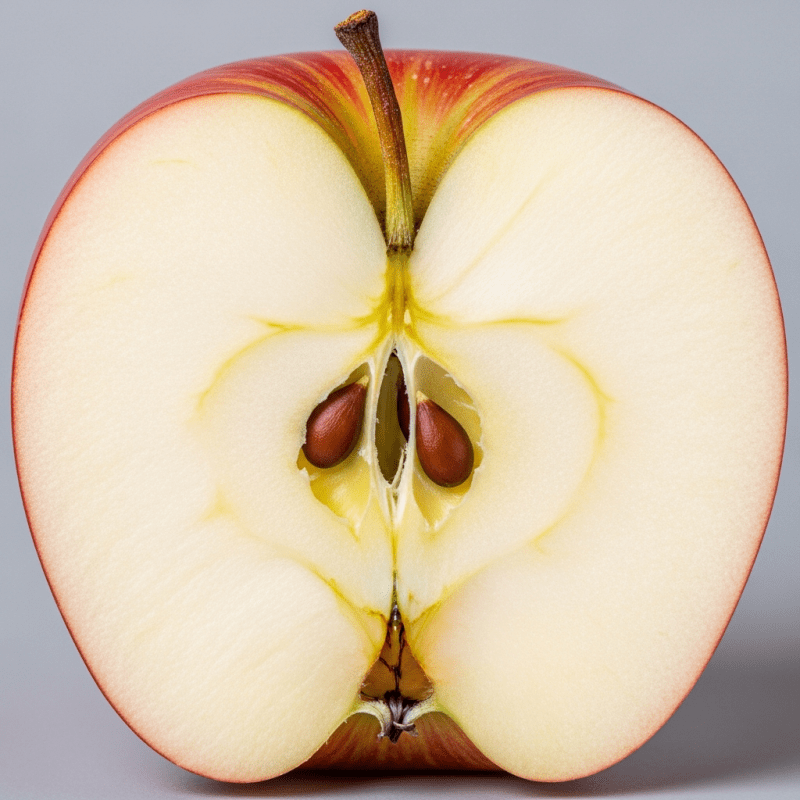
Soft cotton tee, unisex sizes
Buy ShirtBraeburn's emergence from New Zealand marked a turning point in modern apple breeding, symbolizing innovation and global reach. It is frequently featured in culinary media and supermarket promotions, representing quality and freshness. While not deeply embedded in folklore, its name and origin evoke a sense of place and agricultural heritage, especially within New Zealand's fruit-growing communities.
Braeburn apples offer a harmonious blend of sweetness and acidity, complemented by subtle spicy and aromatic undertones. The flesh is juicy and exceptionally crisp, providing a refreshing and lively eating experience. This balance makes Braeburn appealing both for snacking and for recipes requiring a bright, complex apple flavor.
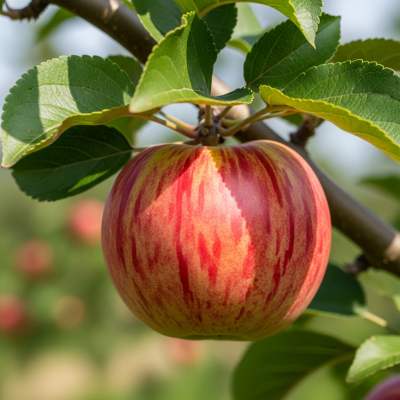
Braeburn is cultivated extensively in New Zealand, its country of origin, and has become a staple in the United Kingdom, France, Italy, and the United States. Its adaptability to temperate climates has led to widespread planting in commercial orchards across Europe and North America, as well as other regions with suitable growing conditions.
The genetic lineage of Braeburn remains uncertain. It is believed to be a chance seedling, possibly resulting from a cross between 'Lady Hamilton' and 'Granny Smith', although this has not been definitively confirmed. Its spontaneous origin highlights the role of natural variation in apple breeding and the ongoing mystery surrounding some popular cultivars.
Braeburn is a common cultivar, widely grown and not considered rare or endangered. Its prevalence in commercial orchards and germplasm collections ensures its continued availability and genetic conservation.
While Braeburn itself is a distinct cultivar, it stands alongside other renowned apples such as 'Granny Smith', 'Honeycrisp', and 'Golden Delicious'. These varieties, like Braeburn, have shaped global apple consumption and breeding, each offering unique flavors and characteristics that enrich the diversity of the apple family.
Braeburn apples are typically harvested in late autumn, with peak availability from October through April in major growing regions. Thanks to their robust storage life, they remain a fresh option in markets well into the spring, bridging the gap between harvest seasons for other apple varieties.