Ashmead's Kernel
Ashmead's Kernel is a historic English dessert apple famed for its russeted skin and complex, aromatic flavor.
Ashmead's Kernel is a historic English dessert apple famed for its russeted skin and complex, aromatic flavor.
Originating in Gloucester, Gloucestershire, England, Ashmead's Kernel was first raised around 1700 by Dr. Thomas Ashmead. Its development is attributed to chance rather than deliberate breeding, and it has since become a cherished heritage cultivar in the UK and beyond.
This apple belongs to the family Rosaceae, genus Malus, species Malus domestica, and is classified as the cultivar 'Ashmead's Kernel'. It sits within the broader taxonomy of domesticated apples, recognized by leading authorities such as the Royal Horticultural Society and the British National Fruit Collection.
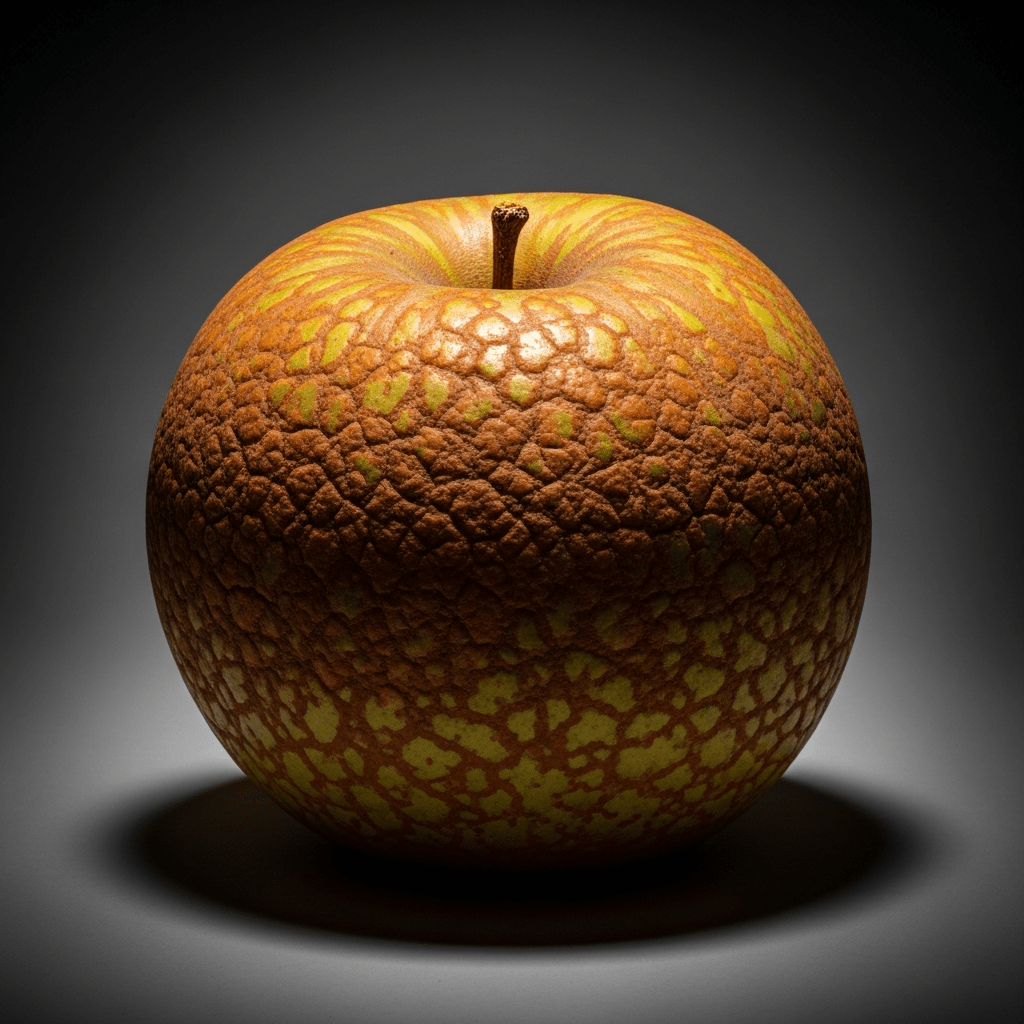
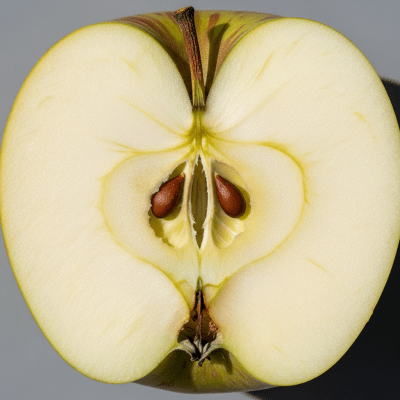
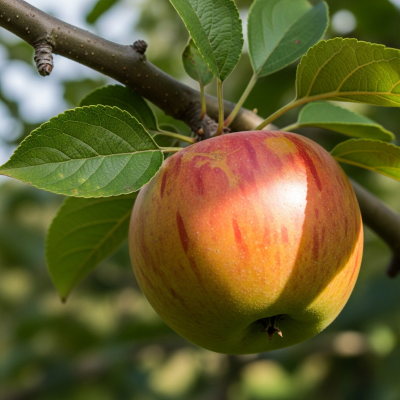
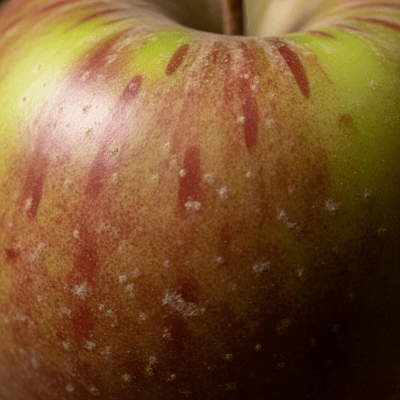
Ashmead's Kernel is medium-sized and round to slightly conical. Its greenish-yellow skin is heavily russeted, giving a distinctive rough, bronze appearance. The creamy white flesh is firm and crisp, inviting both visual and tactile appreciation.
Primarily enjoyed as a dessert apple, Ashmead's Kernel is prized for fresh eating. Its robust flavor also lends itself to cider production and select culinary uses, though its reputation rests on its excellence as a table fruit.
Bring this kind into your world illustrated posters, mugs, and shirts.

Archival print, museum-grade paper
Buy Poster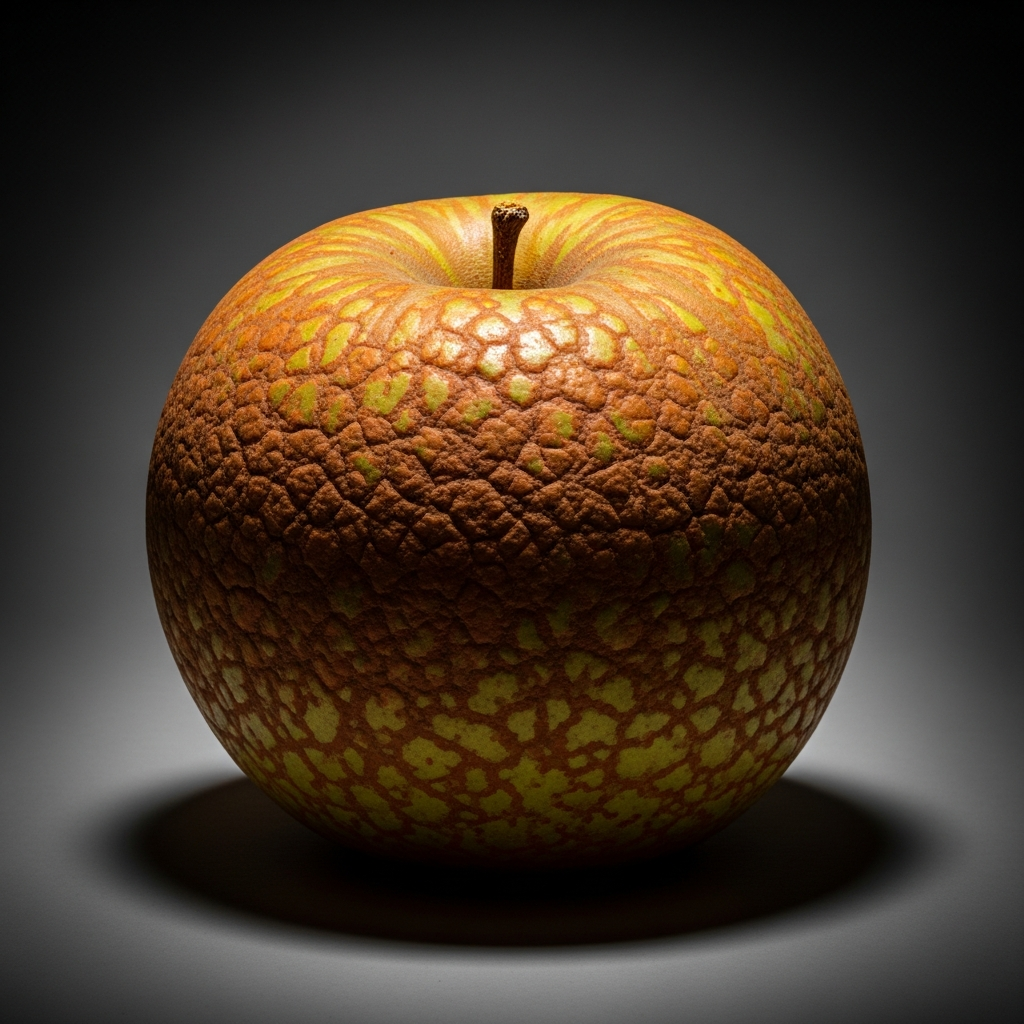
Stoneware mug, dishwasher safe
Buy Mug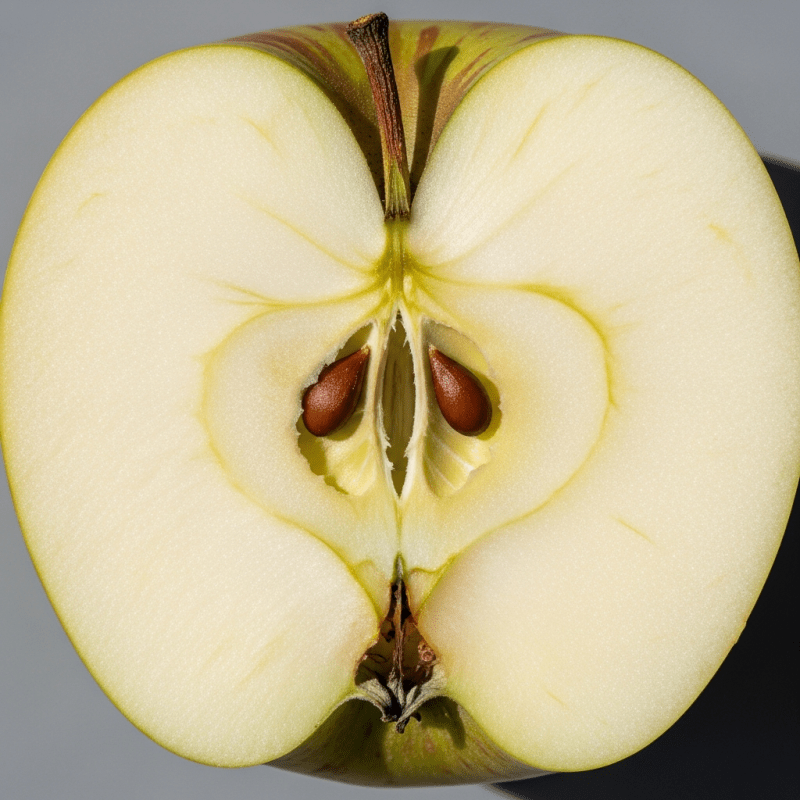
Soft cotton tee, unisex sizes
Buy ShirtAs one of England's most celebrated heritage apples, Ashmead's Kernel is a staple in historic orchards and fruit collections. Its enduring popularity among growers and enthusiasts reflects its role in the country's horticultural legacy and its frequent mention in apple literature and tasting events.
The flavor of Ashmead's Kernel is celebrated for its aromatic complexity—combining sweetness and acidity with subtle notes of pear, citrus, and spice. Its firm, crisp flesh delivers a refreshing texture, making it one of the finest dessert apples for fresh eating.
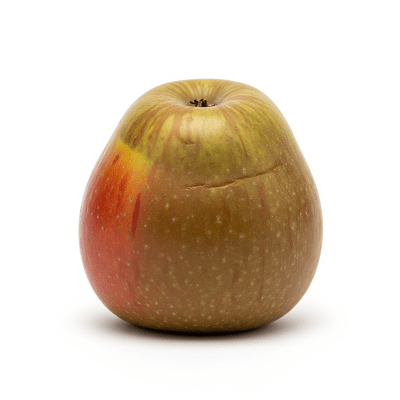
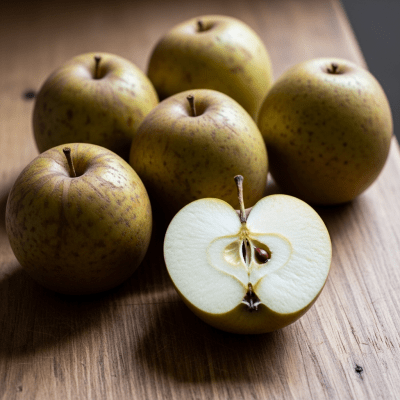
Ashmead's Kernel is widely grown in the United Kingdom, especially in heritage orchards. It has also found favor in temperate regions of North America and Europe, where its robust flavor and disease resistance are appreciated by both commercial and home growers.
The genetic lineage of Ashmead's Kernel is unknown; it is considered a chance seedling with no recorded parentage. Its enduring qualities have made it a reference point for flavor and disease resistance in apple breeding, though it is not directly linked to modern crosses.
Classified as a heritage cultivar, Ashmead's Kernel is considered common and actively maintained in major germplasm repositories and orchards, particularly in the UK. Its ongoing cultivation ensures its preservation for future generations.
Ashmead's Kernel stands alongside other historic English apples such as 'Egremont Russet', 'Cox's Orange Pippin', and 'Blenheim Orange'—each renowned for unique flavors and heritage status. These varieties collectively represent the rich diversity of traditional British apples.
Ashmead's Kernel is typically harvested in the autumn, with peak availability from late September through November. Thanks to its storage capacity, it remains accessible for fresh eating well into the winter months.