Ambrosia
Ambrosia is a modern dessert apple cultivar celebrated for its honeyed sweetness, crisp texture, and attractive bi-colored skin.
Ambrosia is a modern dessert apple cultivar celebrated for its honeyed sweetness, crisp texture, and attractive bi-colored skin.
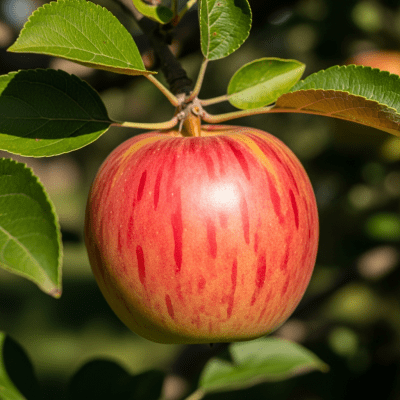
Ambrosia originated in British Columbia, Canada, discovered as a chance seedling in the Similkameen Valley near Cawston in the late 1980s. The apple was found growing in the Mennell family orchard among established varieties, and its exceptional qualities led to commercial propagation beginning in 1993. Its rise from an accidental seedling to a globally recognized cultivar highlights the serendipitous nature of apple breeding and the importance of regional discovery in horticulture.
Ambrosia belongs to the botanical family Rosaceae, genus Malus, and species Malus domestica. As a named cultivar, it is part of the vast diversity within domesticated apples, which are classified by lineage, use, and region. Like other dessert apples, Ambrosia is registered and catalogued by international authorities such as the USDA National Plant Germplasm System and the Royal Horticultural Society, ensuring its identity and propagation standards are maintained.
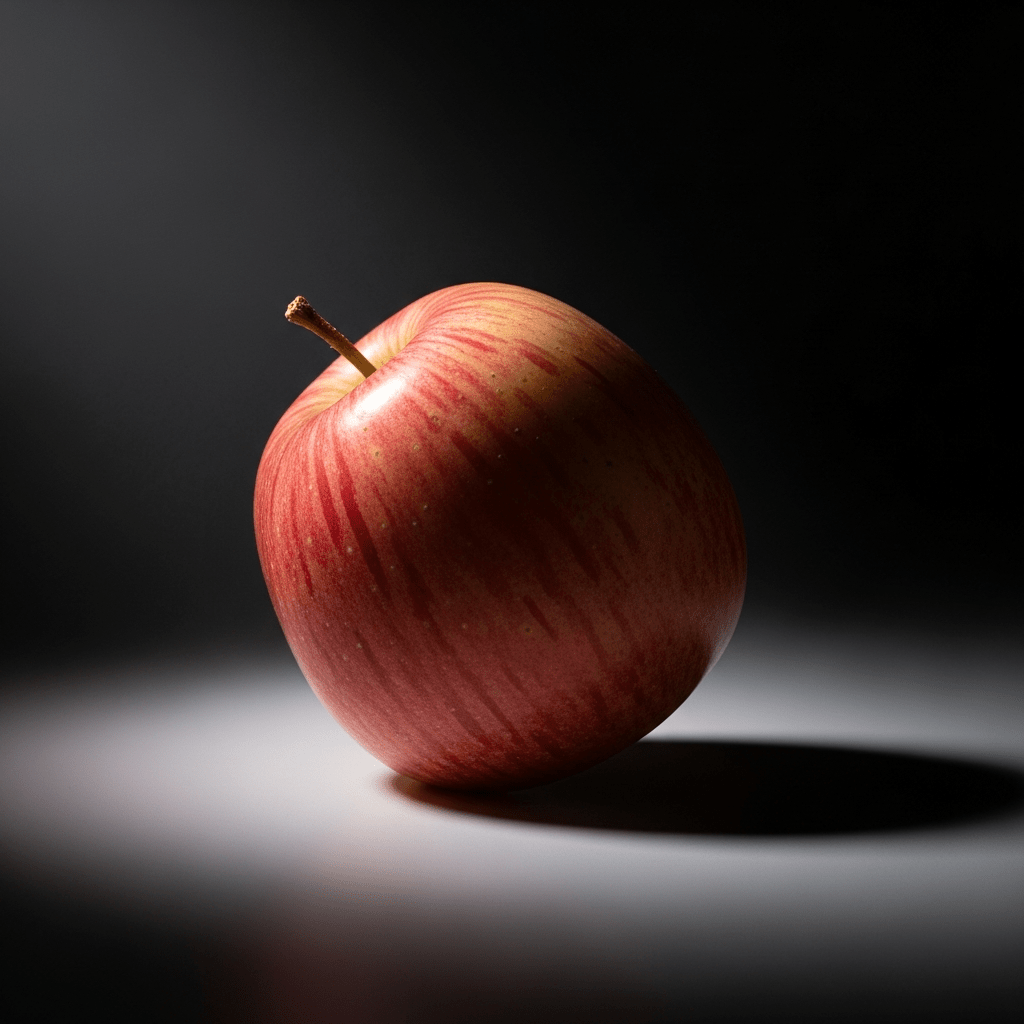
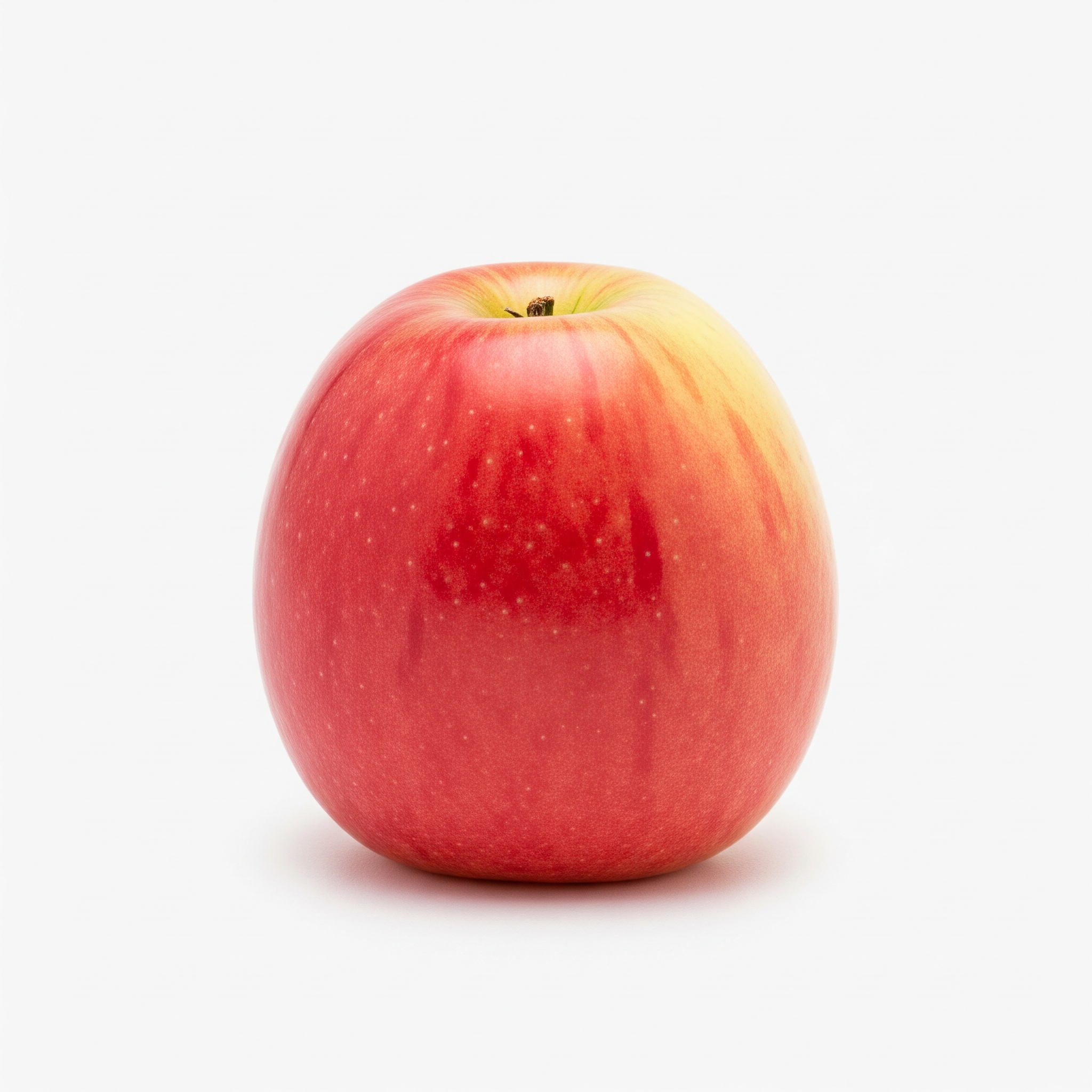
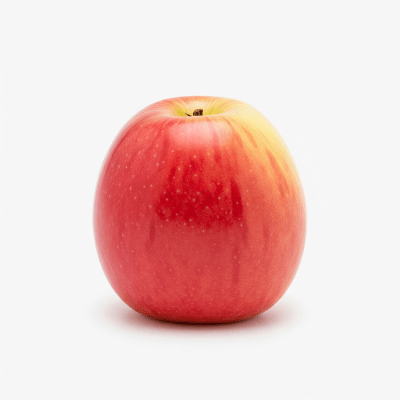
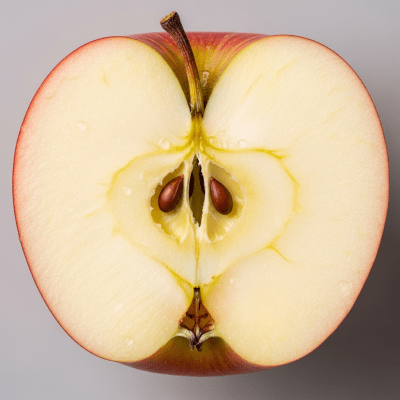
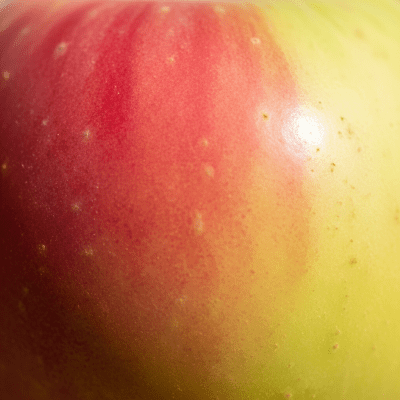
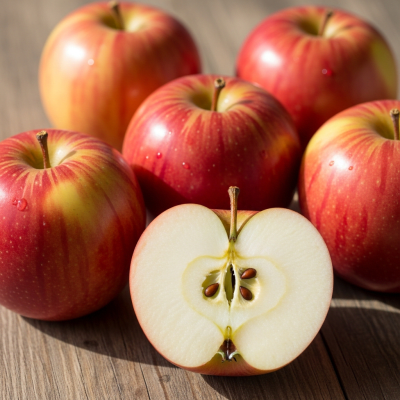
Ambrosia apples are medium to large, round to slightly conical, with smooth, creamy yellow skin overlaid by a striking pink to red blush. The flesh is cream-colored, exceptionally crisp, and juicy. Their visual appeal is heightened by the bi-colored skin and the apple’s glossy finish, making them stand out in markets and fruit bowls alike.
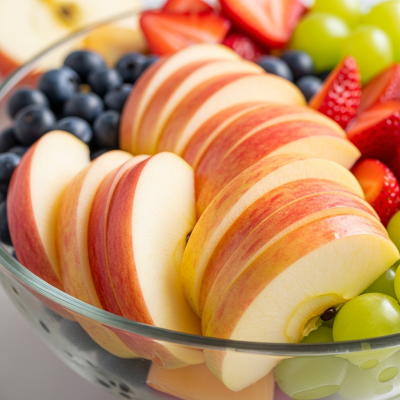
Primarily enjoyed fresh, Ambrosia apples are valued for their sweet flavor and crisp bite. Their resistance to browning makes them ideal for salads and sliced presentations. While not commonly used for cider, they are suitable for light baking and culinary uses where sweetness and texture are desired. Their long storage life and adaptability have made them a favorite among growers and consumers.
Bring this kind into your world illustrated posters, mugs, and shirts.
Archival print, museum-grade paper
Buy Poster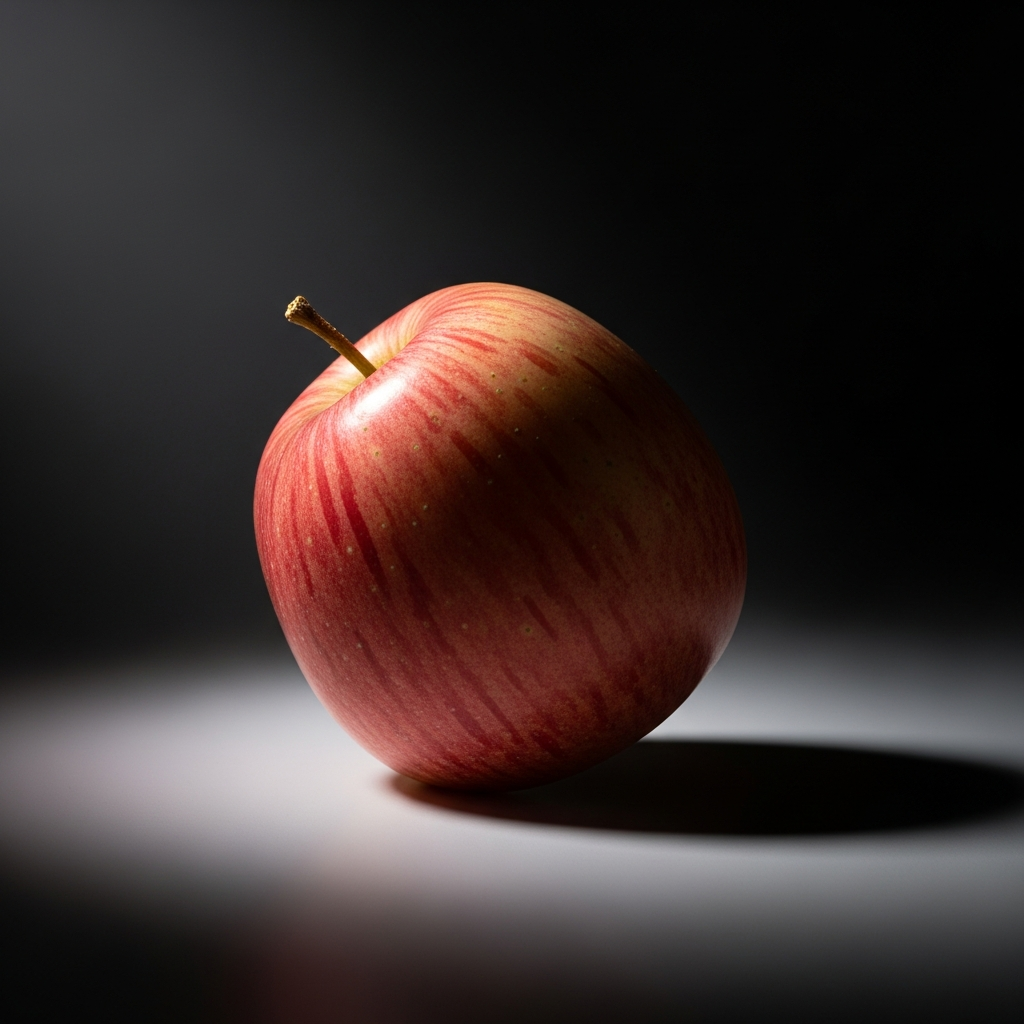
Stoneware mug, dishwasher safe
Buy Mug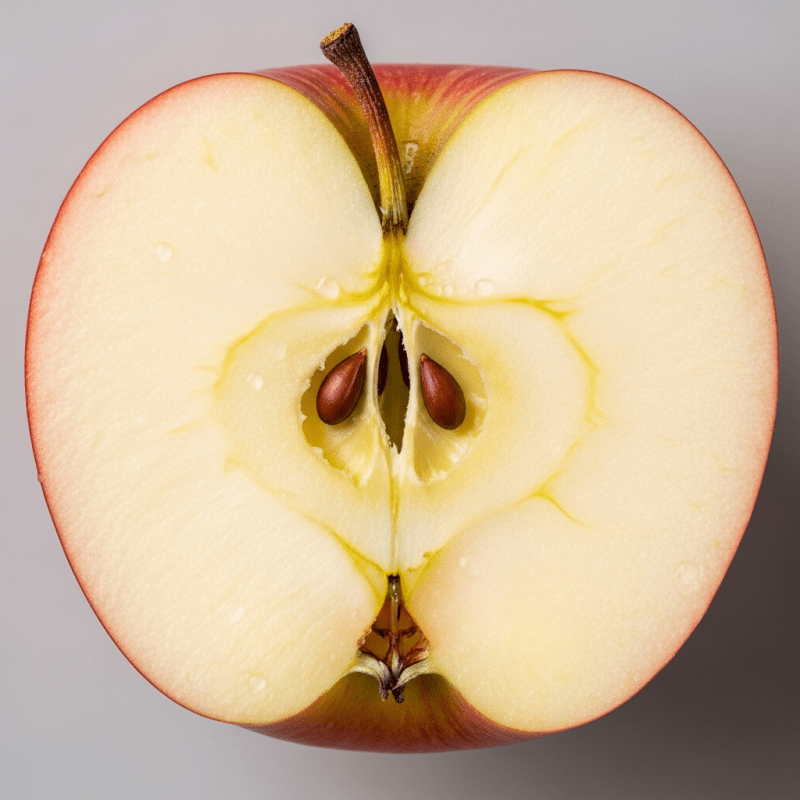
Soft cotton tee, unisex sizes
Buy ShirtThough Ambrosia is a relatively recent addition to the apple world, it has quickly become a staple in North American households and markets. Its name, meaning “food of the gods,” reflects its reputation for exceptional taste. Ambrosia’s success story—from chance seedling to international favorite—embodies the spirit of agricultural innovation and the ongoing search for new flavors in fruit culture.
Ambrosia apples offer a mild yet aromatic flavor, dominated by honeyed sweetness and very low acidity. The flesh is crisp and juicy, with a pleasant, lingering finish. Their aroma is subtle, complementing the gentle sweetness and making them highly palatable for fresh eating.
Ambrosia is widely cultivated in Canada—especially British Columbia—and the United States. Its popularity has led to commercial orchards in Europe and New Zealand, where climate and growing conditions support its high quality and productivity.
Ambrosia’s parentage remains a mystery. It was discovered as a chance seedling in an orchard containing Jonagold and Golden Delicious trees, and while it shares some traits with these varieties, no definitive genetic analysis has established its lineage. This uncertainty is noted in all major apple registries.
Ambrosia is classified as a common cultivar, with widespread commercial cultivation and no current risk of endangerment. Its adaptability and popularity ensure its continued presence in orchards and markets worldwide.
While Ambrosia itself is a distinct cultivar, it joins a roster of notable modern apples such as Honeycrisp, Gala, and Fuji. Its success exemplifies the impact of chance seedlings and the ongoing evolution of apple diversity in commercial orchards.
Ambrosia is typically harvested in mid to late autumn, with fresh apples available in markets from late fall through winter. Thanks to its long shelf life, consumers can enjoy Ambrosia well beyond the harvest season.