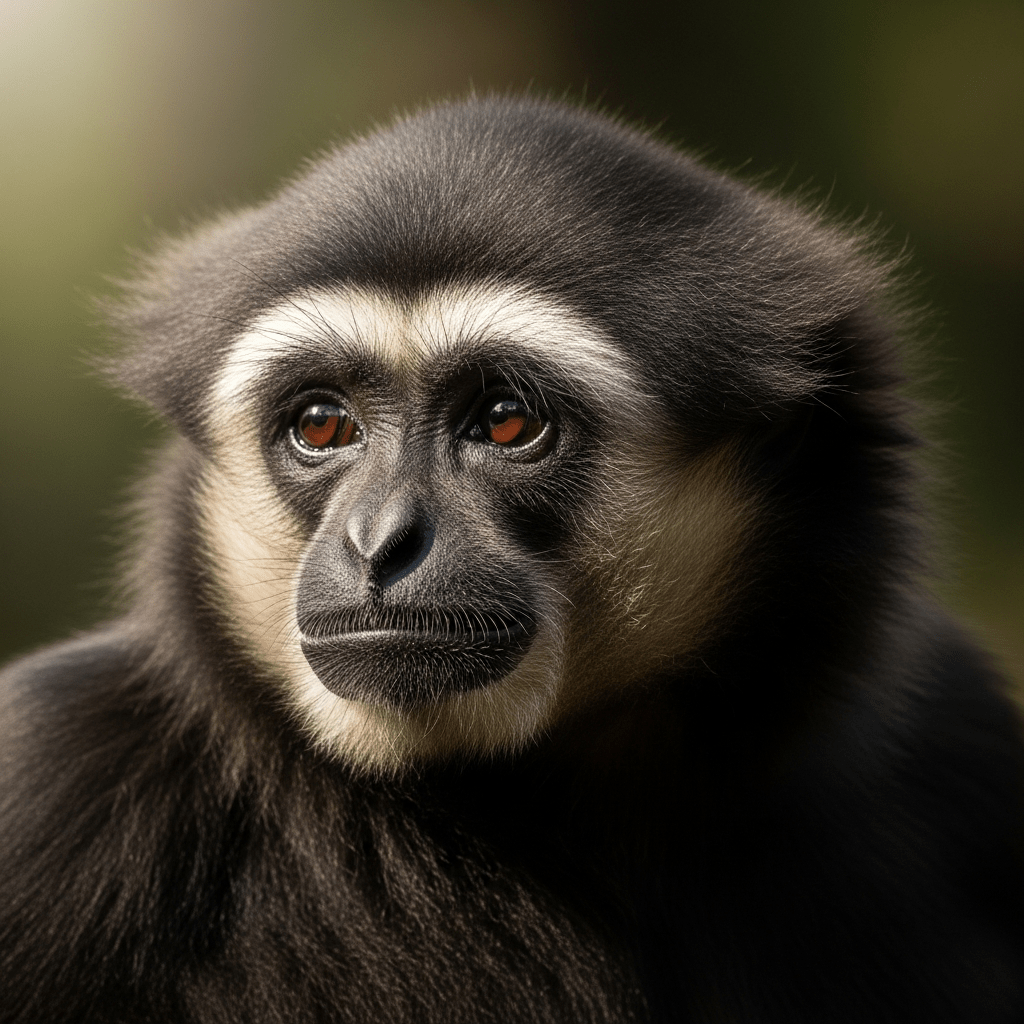
Western Hoolock Gibbon
The Western hoolock gibbon (Hoolock hoolock) is a species of lesser ape native to parts of South Asia, known for its striking sexual dimorphism and resonant vocal duets that echo through the forest canopy.
The Western hoolock gibbon (Hoolock hoolock) is a species of lesser ape native to parts of South Asia, known for its striking sexual dimorphism and resonant vocal duets that echo through the forest canopy.
First described by Harlan in 1834, the Western hoolock gibbon belongs to a lineage that diverged from other gibbons approximately 3 to 4 million years ago. It inhabits the mature forests of northeastern India, Bangladesh, and western Myanmar, where it has evolved as a key arboreal primate species.
The Western hoolock gibbon is classified within the superfamily Hominoidea, family Hylobatidae, and genus Hoolock. It is one of two recognized species in its genus, distinguished from other gibbons by both genetic and morphological traits.
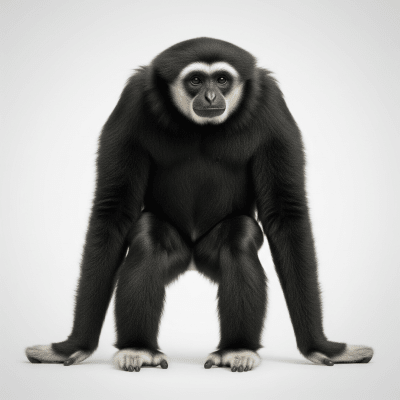
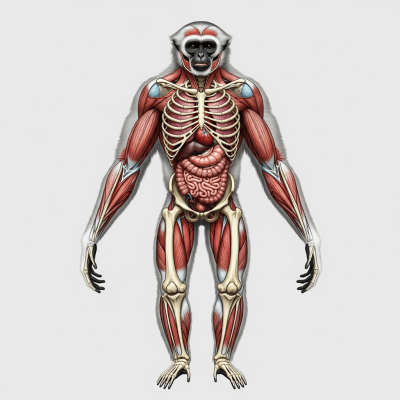
Adult males typically display black fur accented by distinctive white brows, while females are brownish or buff with darker facial markings. Both sexes feature a prominent white facial ring. Measuring between 60 and 90 centimeters in body length and weighing 6 to 9 kilograms, they lack tails, a hallmark of apes.
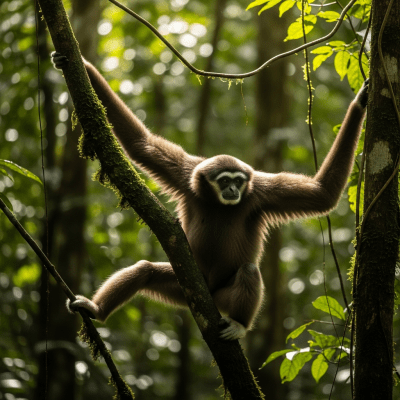
The Western hoolock gibbon leads an arboreal lifestyle, expertly brachiating through forest canopies. It lives in monogamous pairs that maintain stable territories, communicating through complex, loud vocal duets that serve to defend territory and strengthen pair bonds.
Bring this kind into your world illustrated posters, mugs, and shirts.
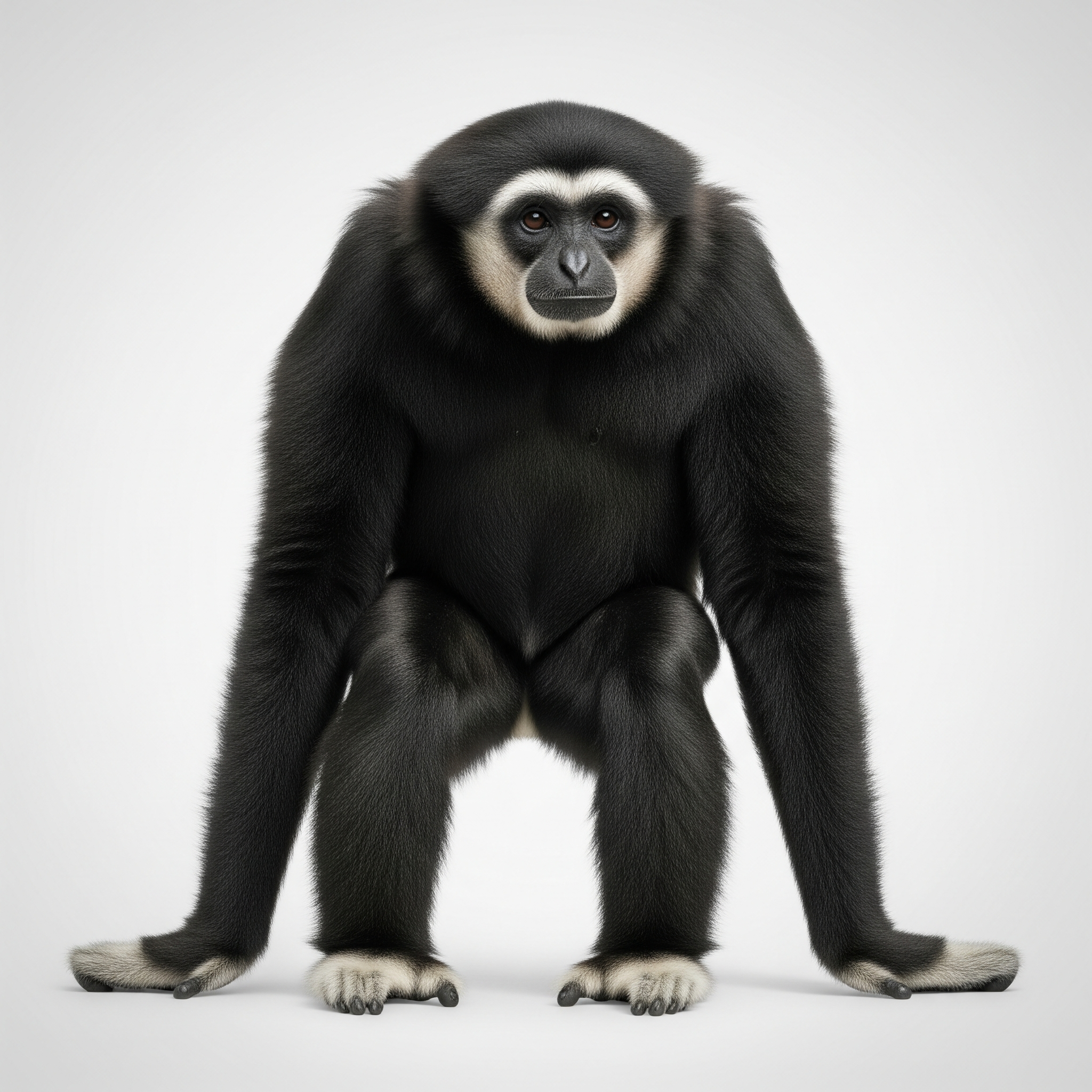
Archival print, museum-grade paper
Buy Poster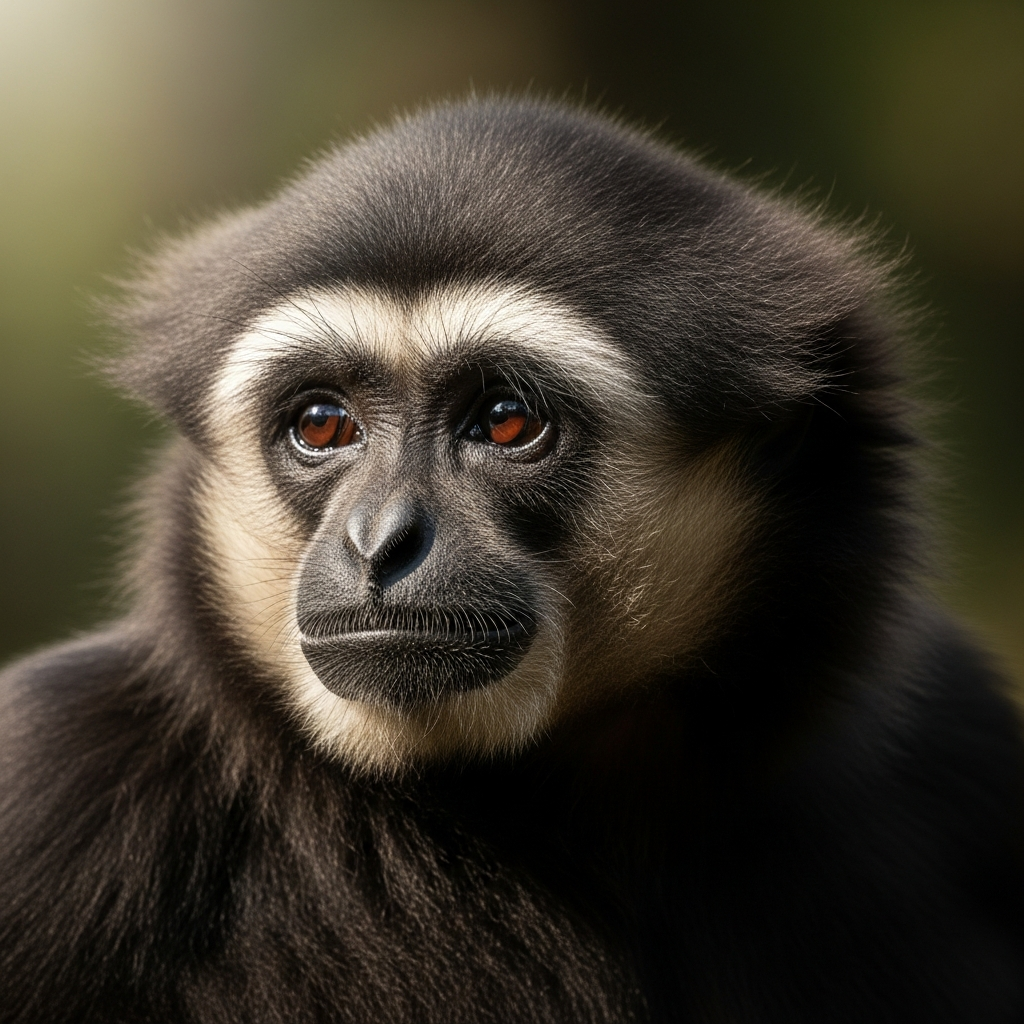
Stoneware mug, dishwasher safe
Buy Mug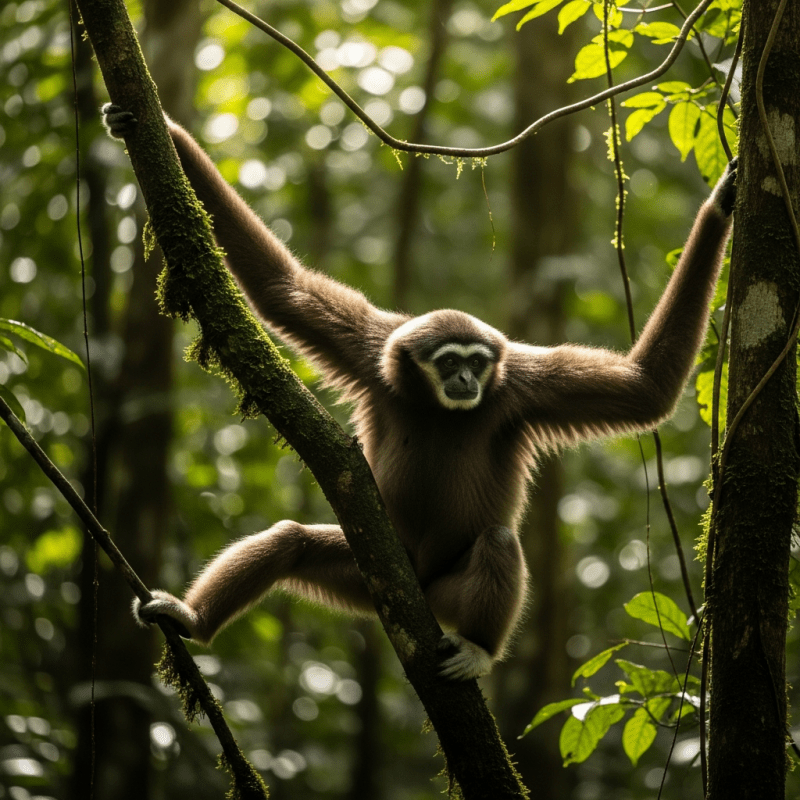
Soft cotton tee, unisex sizes
Buy ShirtWhile not widely featured in commercial or culinary contexts, the Western hoolock gibbon holds cultural value in its native regions, occasionally appearing in local folklore and traditional beliefs. It is also regarded as an ecological flagship species, symbolizing the health of forest ecosystems.
Preferring contiguous, mature evergreen and semi-evergreen forests, the Western hoolock gibbon also inhabits secondary and riverine forests within its range across northeastern India, Bangladesh, and western Myanmar. Its survival depends on large, undisturbed forest tracts.


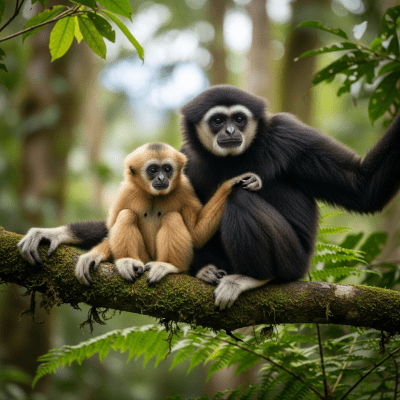
This species typically forms monogamous pairs that occupy stable territories. These family groups include the mated pair and their offspring, reflecting a social system centered on pair bonding and territorial defense.
While specific dietary details are limited, like other gibbons, the Western hoolock gibbon is primarily frugivorous, feeding on a variety of fruits, supplemented by leaves and other plant materials found in its forest habitat.
Classified as Endangered, the Western hoolock gibbon faces significant threats from habitat fragmentation and deforestation, with a low tolerance for disturbed environments. Conservation efforts focus on protecting contiguous forest habitats and regulating trade, with the species listed on CITES Appendix I prohibiting international trade.
The genus Hoolock diverged from other gibbons approximately 3 to 4 million years ago. Genetic studies support its distinct species status within the family Hylobatidae, contributing valuable insights into gibbon evolutionary history and diversity.