Origin Story

Formally described in 2017 by Fan and colleagues, the Skywalker hoolock gibbon was identified through detailed field studies and genetic analysis in the Gaoligong Mountains of Yunnan Province and adjacent Myanmar. This discovery separated it from closely related hoolock species, highlighting the region's rich biodiversity and underscoring the importance of ongoing primate research in the late Pleistocene lineage.

Classification

Belonging to the family Hylobatidae, the Skywalker hoolock gibbon is a member of the genus Hoolock, which comprises several gibbon species. It diverged from its closest relatives, Hoolock hoolock and Hoolock leuconedys, during the late Pleistocene, affirming its status as a distinct species within the lesser apes.

Appearance or Form

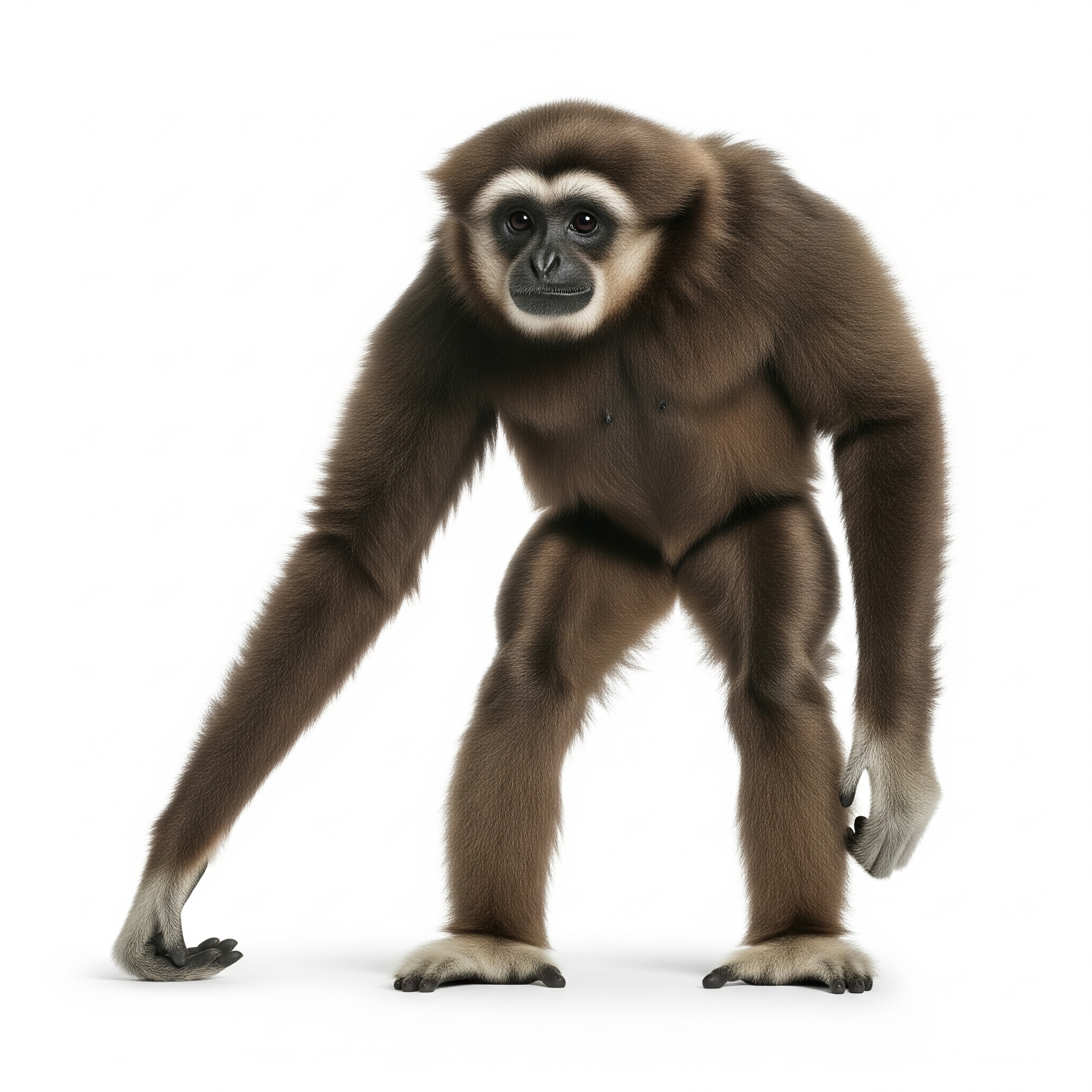
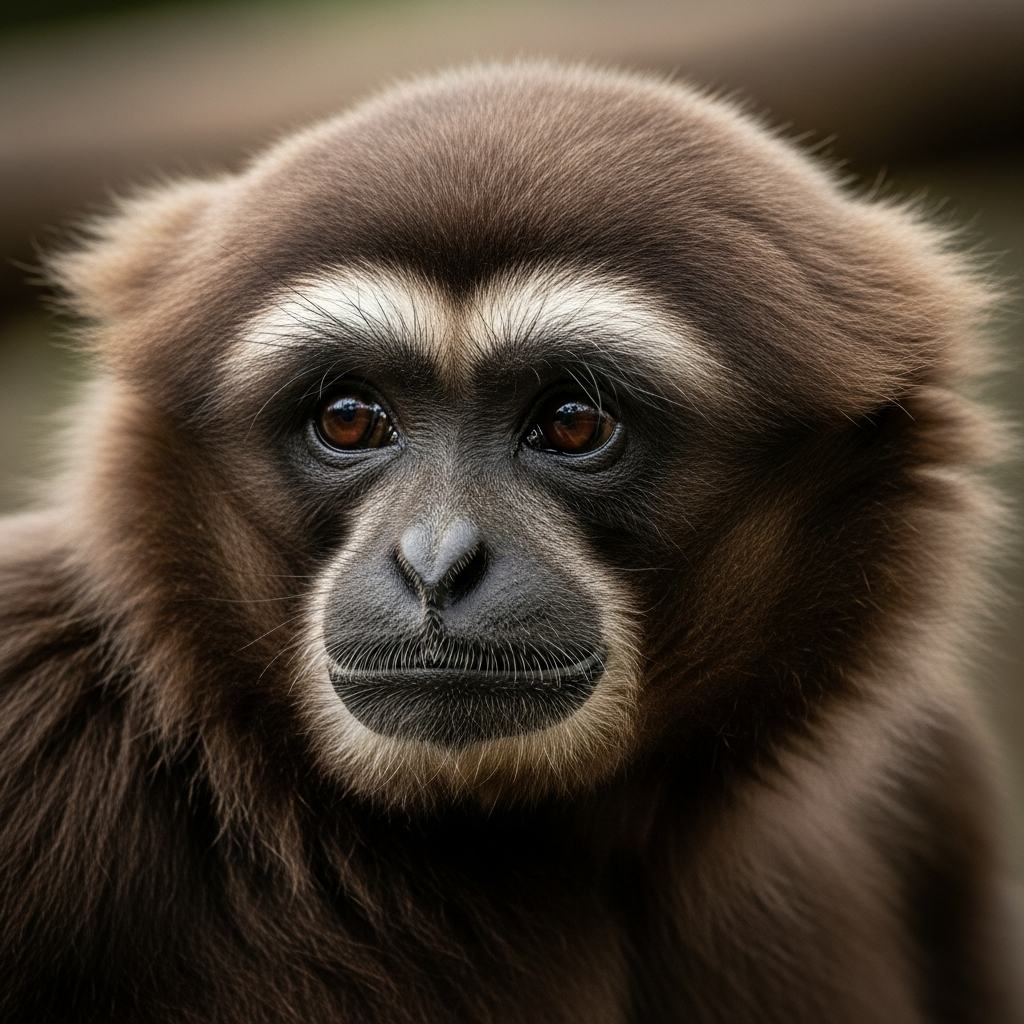
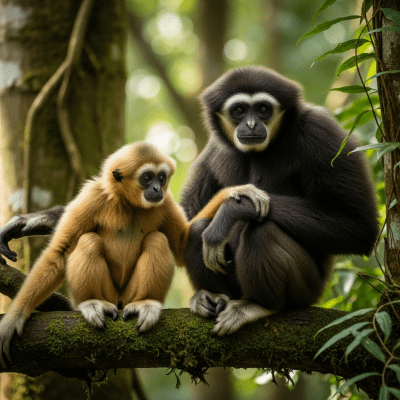
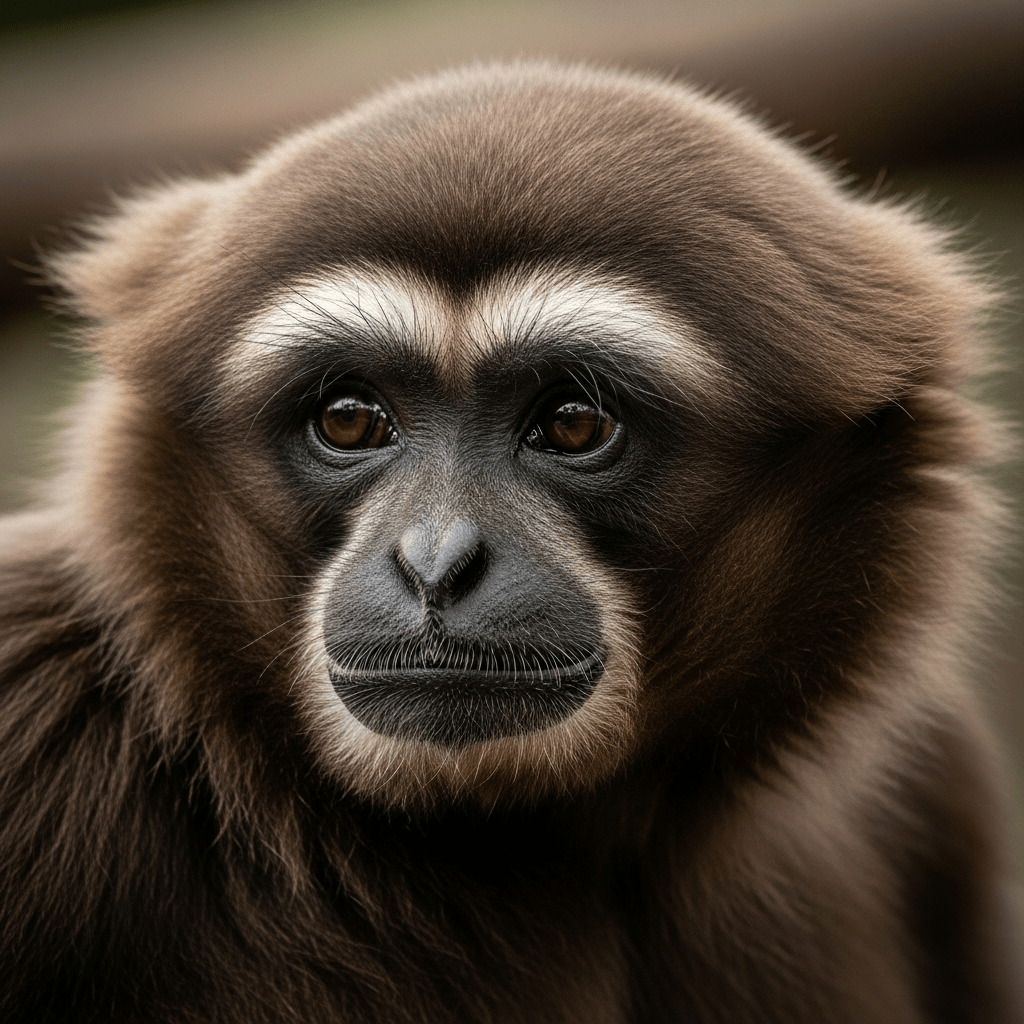
This gibbon exhibits clear sexual dimorphism: males display black fur accented by distinctive white eyebrows and a beard, while females have buff or light brown coats with darker facial markings. Adults typically stand 60 to 70 centimeters tall and weigh between 6 and 8 kilograms, embodying the agile, slender form characteristic of arboreal brachiators.

Behavior or Usage

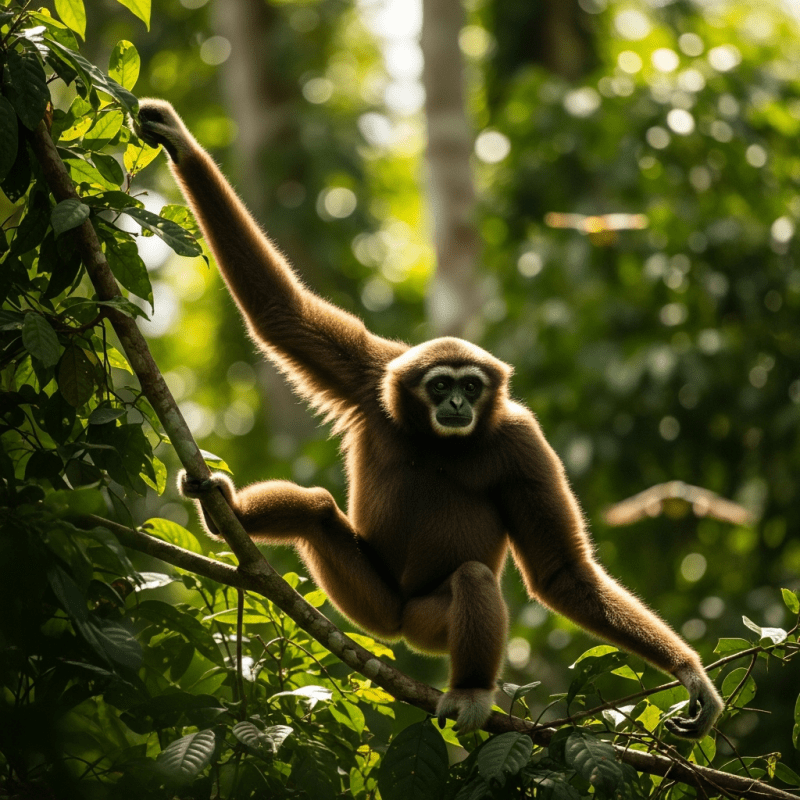
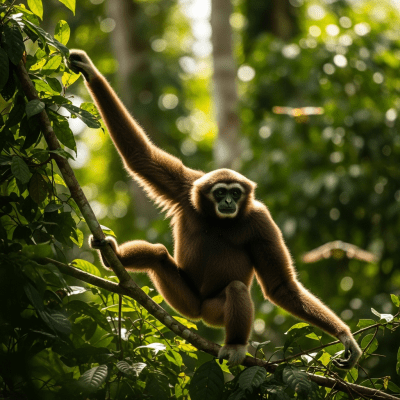
The Skywalker hoolock gibbon is arboreal and highly agile, moving through forest canopies with remarkable brachiation. It lives in small, monogamous family groups and uses loud, territorial vocalizations to communicate and defend its range. Its low reproductive rate, with interbirth intervals of two to three years, reflects its careful investment in offspring.

Merchandise & Prints

Bring this kind into your world � illustrated posters, mugs, and shirts.

Skywalker Hoolock Gibbon Skywalker Hoolock Gibbon Poster

Skywalker Hoolock Gibbon Poster

Archival print, museum-grade paper

Skywalker Hoolock Gibbon Skywalker Hoolock Gibbon Mug

Skywalker Hoolock Gibbon Mug

Stoneware mug, dishwasher safe

Skywalker Hoolock Gibbon Skywalker Hoolock Gibbon Shirt

Skywalker Hoolock Gibbon Shirt

Soft cotton tee, unisex sizes

Attributes & Insights

Taxon-Specific Insights

🌍Cultural Significance

While not widely represented in global culture, the Skywalker hoolock gibbon holds local significance in the folklore of communities near its habitat. It serves as an ecological indicator of forest health and biodiversity, symbolizing the natural heritage of the Gaoligong Mountains region. It has no known culinary or commercial use and is protected under international law.

📌Notable Facts

  • Discovered and described only recently, in 2017, making it one of the newest recognized gibbon species.
  • Named “Skywalker” for its remarkable agility and perhaps inspired by its elusive nature.
  • Exhibits striking sexual dimorphism with males sporting black fur and white facial markings, unlike many other gibbons.
  • Restricted to high-elevation subtropical evergreen forests between 1,500 and 2,700 meters.
  • Listed as Endangered due to habitat loss and fragmentation, emphasizing urgent conservation needs.

🌍Habitat And Distribution

Native to the Gaoligong Mountains and surrounding areas, the Skywalker hoolock gibbon occupies subtropical evergreen broadleaf forests at elevations ranging from 1,500 to 2,700 meters. Its distribution spans southwestern China’s Yunnan Province and adjacent northeastern Myanmar, where fragmented populations persist amid mountainous terrain.

Visual Variations

High quality studio photograph of a Skywalker (Tianxing) hoolock gibbon
Photograph of a Skywalker (Tianxing) hoolock gibbon (apes) in its natural habitat
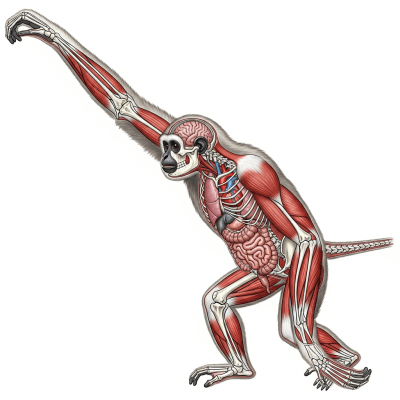
Detailed anatomical illustration of a Skywalker (Tianxing) hoolock gibbon, part of the taxonomy apes
Image showing a group of Skywalker (Tianxing) hoolock gibbon (apes) engaging in typical social behavior
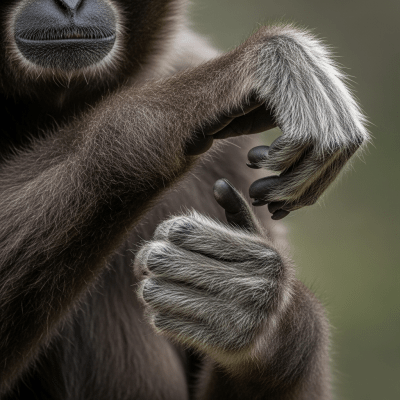
Close-up photograph of the hands or feet of a Skywalker (Tianxing) hoolock gibbon, part of the taxonomy apes
Photograph of a juvenile Skywalker (Tianxing) hoolock gibbon (apes) alongside an adult in their environment

Composition & Context

Taxon-Specific Insights

👥Social Structure

This species typically forms small, monogamous family groups, reflecting a social structure centered on pair bonds and offspring care. Such groups maintain territories through vocal communication, with both parents contributing to the upbringing of young, consistent with gibbon social norms.

🍃Diet And Feeding

While specific dietary studies are limited, the Skywalker hoolock gibbon, like other gibbons, is presumed to be primarily frugivorous, feeding on a variety of fruits supplemented by leaves, flowers, and possibly insects. Its arboreal lifestyle facilitates access to diverse canopy food resources.

⚠️Conservation And Threats

Classified as Endangered, the Skywalker hoolock gibbon faces significant threats from deforestation, hunting, and infrastructure development. Habitat fragmentation has led to isolated populations, increasing vulnerability. It is protected under CITES Appendix I, prohibiting international trade, but conservation efforts must address habitat preservation and anti-poaching measures to ensure its survival.

🧬Genetics And Evolution

Genetically distinct from other hoolock gibbons, Hoolock tianxing diverged in the late Pleistocene, supported by molecular and acoustic data. Its evolutionary lineage within the genus Hoolock reflects adaptations to montane forest habitats, with ongoing research refining its phylogenetic relationships and genetic diversity.

Faq

Q: Where is the Skywalker hoolock gibbon found?
The species inhabits subtropical evergreen broadleaf forests in southwestern China and northeastern Myanmar.

Q: What is its conservation status?
It is classified as Endangered due to ongoing habitat loss and fragmentation.

Q: Does it have any commercial or culinary uses?
No, it is not used commercially or culinarily and is protected from international trade.