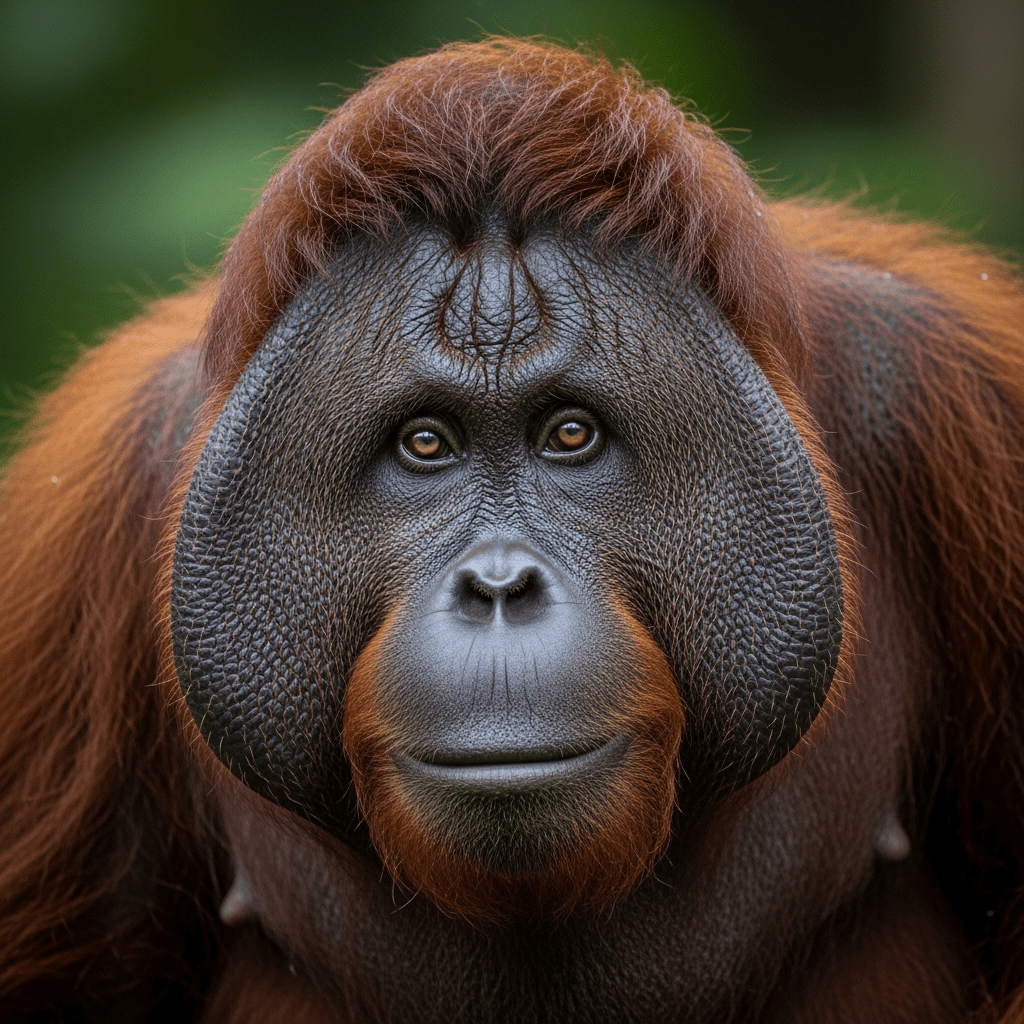
Tapanuli Orangutan
The Tapanuli orangutan (Pongo tapanuliensis) is the most recently identified species of great ape, native exclusively to a limited region in North Sumatra, Indonesia, and currently ranks as the most endangered great ape worldwide.
The Tapanuli orangutan (Pongo tapanuliensis) is the most recently identified species of great ape, native exclusively to a limited region in North Sumatra, Indonesia, and currently ranks as the most endangered great ape worldwide.
Formally described in 2017 by Nater and colleagues, the Tapanuli orangutan was distinguished through detailed genetic, morphological, and behavioral studies. Its discovery centered on populations in the Batang Toru ecosystem of North Sumatra, where its lineage diverged from other orangutans around 674,000 years ago, marking a distinct evolutionary path within the genus Pongo.
The Tapanuli orangutan belongs to the family Hominidae, subfamily Ponginae, within the genus Pongo. It is recognized as a distinct species separate from the Sumatran (Pongo abelii) and Bornean (Pongo pygmaeus) orangutans, reflecting its unique genetic and morphological identity among the great apes.
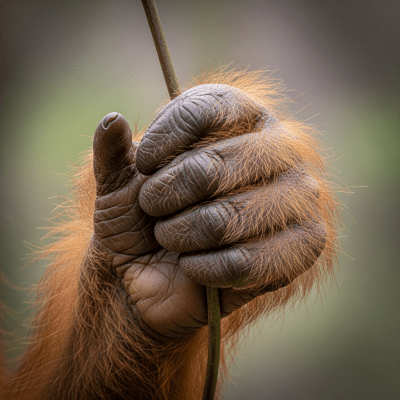
This medium to large-bodied ape features cinnamon to orange-brown fur that is notably frizzier than that of its relatives, with longer facial hair adding to its distinctive look. Adult males weigh between 70 and 90 kilograms and display prominent cheek pads (flanges) and throat sacs used in vocal communication. Females are smaller, weighing 40 to 50 kilograms. The species also exhibits smaller skulls and unique dental traits that set it apart from other orangutans.
The Tapanuli orangutan leads a largely arboreal and semi-solitary lifestyle. Females maintain loose associations with their offspring, while males tend to be more solitary. Their slow life history includes long intervals between births, typically every 6 to 9 years, and lifespans exceeding 40 years in the wild. They use their vocalizations, supported by throat sacs, to communicate across the dense forest canopy.
Bring this kind into your world illustrated posters, mugs, and shirts.

Archival print, museum-grade paper
Buy Poster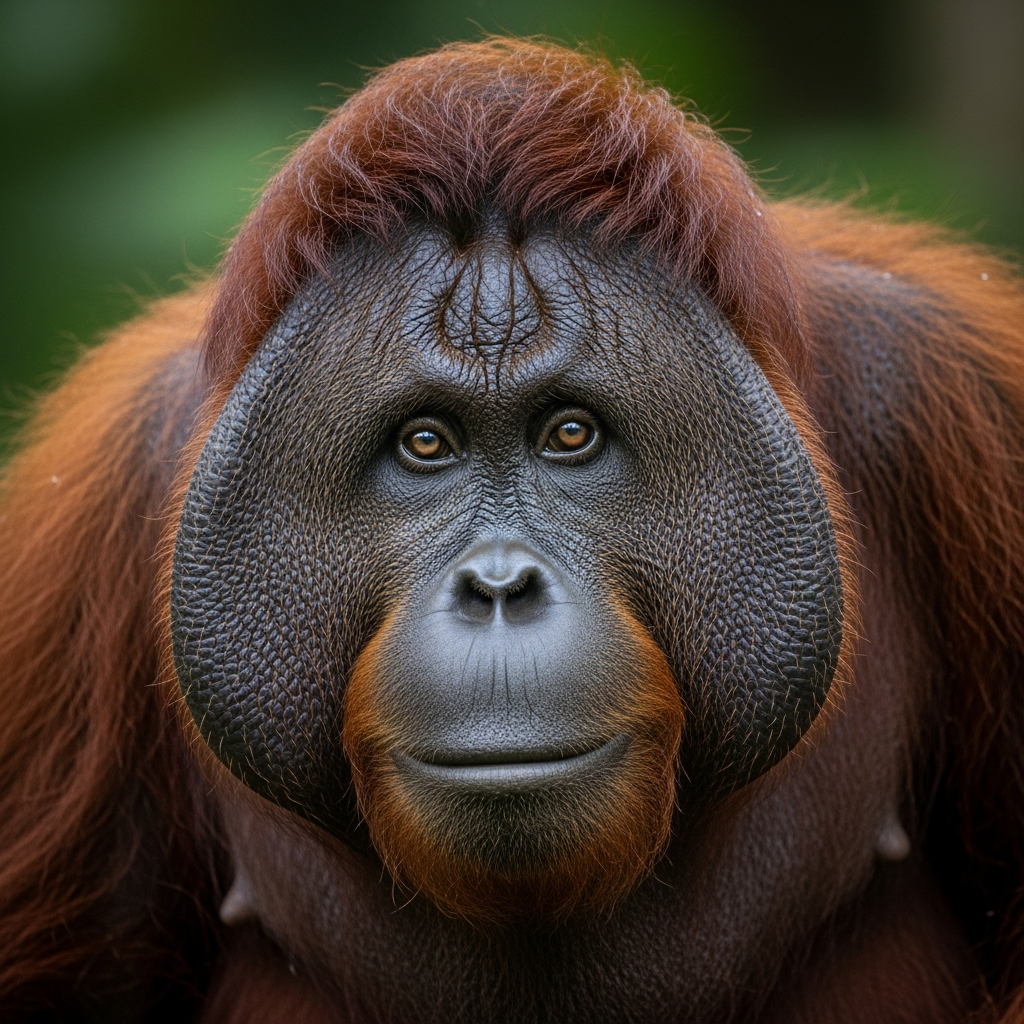
Stoneware mug, dishwasher safe
Buy Mug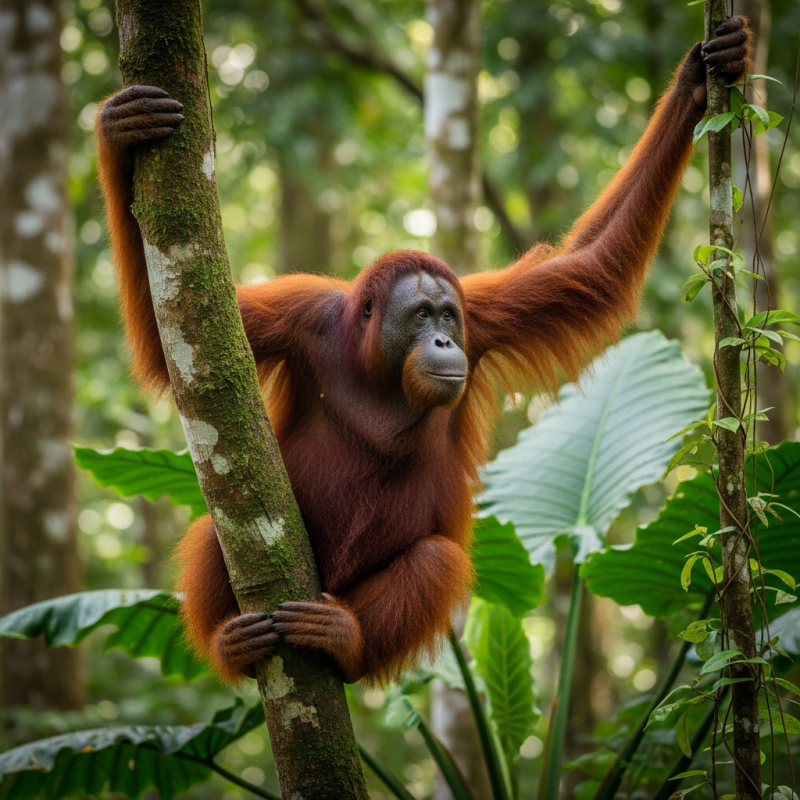
Soft cotton tee, unisex sizes
Buy ShirtLocally known as "mawas," the Tapanuli orangutan holds cultural recognition within Indonesian and Malay communities but does not have a prominent role in wider art or mythology. Its recent classification has increased scientific and conservation interest, highlighting its importance as a symbol of biodiversity and the urgent need to protect endangered wildlife.
The Tapanuli orangutan inhabits hill and submontane forests ranging from 300 to 1,300 meters elevation within the Batang Toru ecosystem of North Sumatra, Indonesia. This restricted and fragmented habitat is characterized by dense tropical forest, providing the arboreal environment essential for their survival.


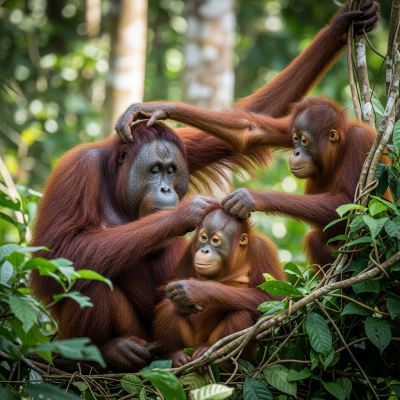
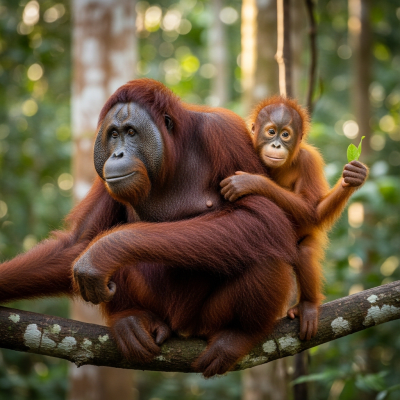
This species exhibits a semi-solitary social structure. Females typically associate loosely with their dependent offspring, while adult males live more solitary lives. Social interactions are limited but vocal communication plays a key role in maintaining contact across territories.
The Tapanuli orangutan primarily feeds on a fruit-based diet, supplemented by leaves, bark, insects, and occasionally small vertebrates. Their feeding habits reflect the availability of forest resources and require large, contiguous habitats to support their nutritional needs.
Classified as Critically Endangered, the Tapanuli orangutan faces severe threats from habitat fragmentation and human disturbance. Illegal hunting and trade are rare but remain concerns despite strict legal protections under Indonesian law and international agreements like CITES Appendix I. Conservation efforts focus on preserving its limited forest habitat and mitigating human impacts.
Genetic studies reveal that the Tapanuli orangutan diverged from its closest relatives, the Sumatran and Bornean orangutans, approximately 674,000 years ago. This deep evolutionary split is supported by distinct morphological and behavioral traits, confirming its status as a separate species within the genus Pongo.