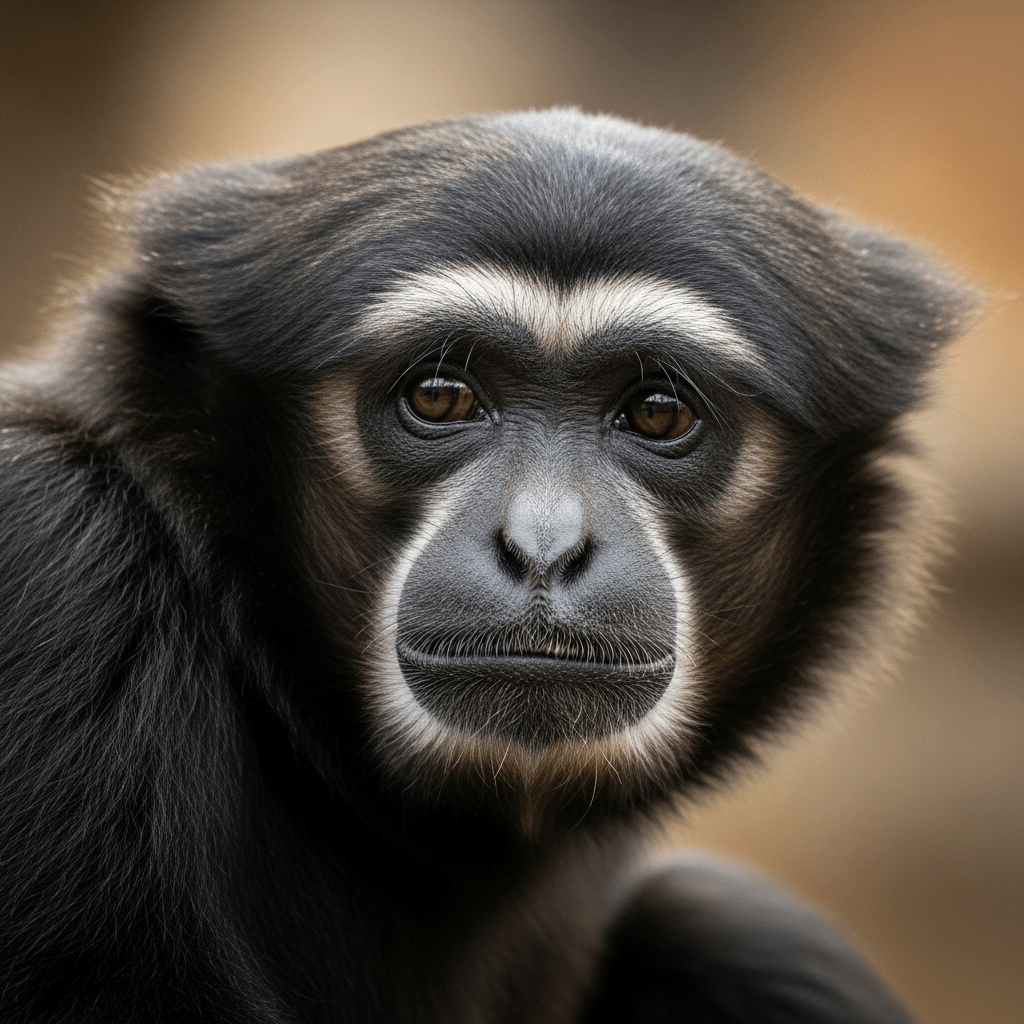
Siamang
The siamang (Symphalangus syndactylus) is the largest living species of gibbon, notable for its distinctive throat sac and loud, resonant calls that echo through the rainforests of Southeast Asia.
The siamang (Symphalangus syndactylus) is the largest living species of gibbon, notable for its distinctive throat sac and loud, resonant calls that echo through the rainforests of Southeast Asia.
First described scientifically by Sir Thomas Stamford Raffles in 1821, the siamang’s type specimen was collected from the lush forests of Sumatra, Indonesia. It is the sole species within its genus Symphalangus, with no recognized subspecies, reflecting a unique evolutionary lineage among gibbons.
Belonging to the family Hylobatidae, the siamang is classified as a lesser ape within the superfamily Hominoidea. It stands apart as the only species in the genus Symphalangus, closely related to other gibbon genera but distinguished by its size and morphological traits.
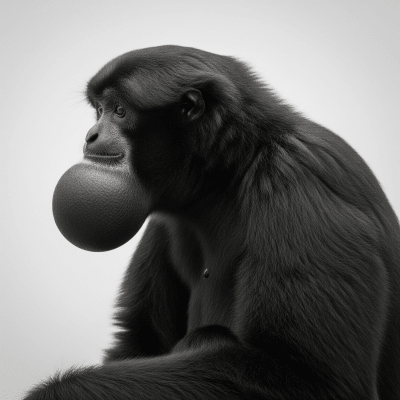
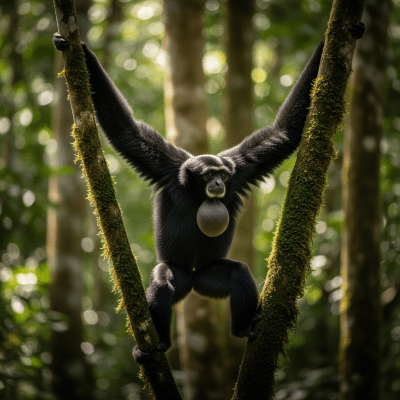
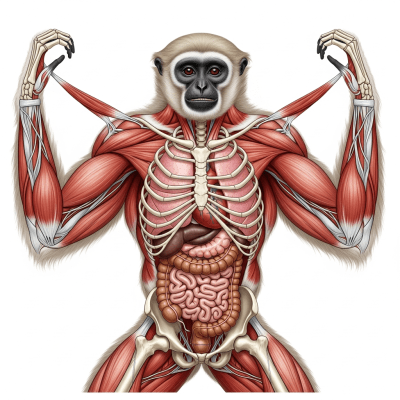
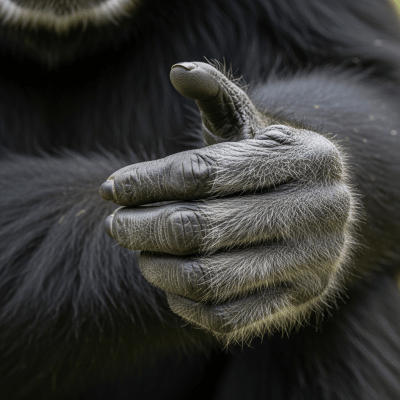
The siamang is characterized by a robust body covered in long, dense, uniformly black woolly fur. Adults measure between 73 and 90 centimeters in height, with males weighing 10 to 14 kilograms and females 8 to 11 kilograms. Its most striking feature is a large inflatable throat sac, or gular sac, which amplifies its powerful vocalizations. Adapted for life in the treetops, siamangs have elongated arms for brachiation and webbed second and third toes that aid their arboreal agility.
Siamangs are diurnal and arboreal, spending their days navigating the forest canopy with remarkable agility. They are known for their loud, far-carrying calls, which serve to communicate territory and strengthen pair bonds. Socially, siamangs typically form monogamous pairs or small family groups, exhibiting strong pair bonds and cooperative parental care, which supports offspring survival and social cohesion.
Bring this kind into your world illustrated posters, mugs, and shirts.
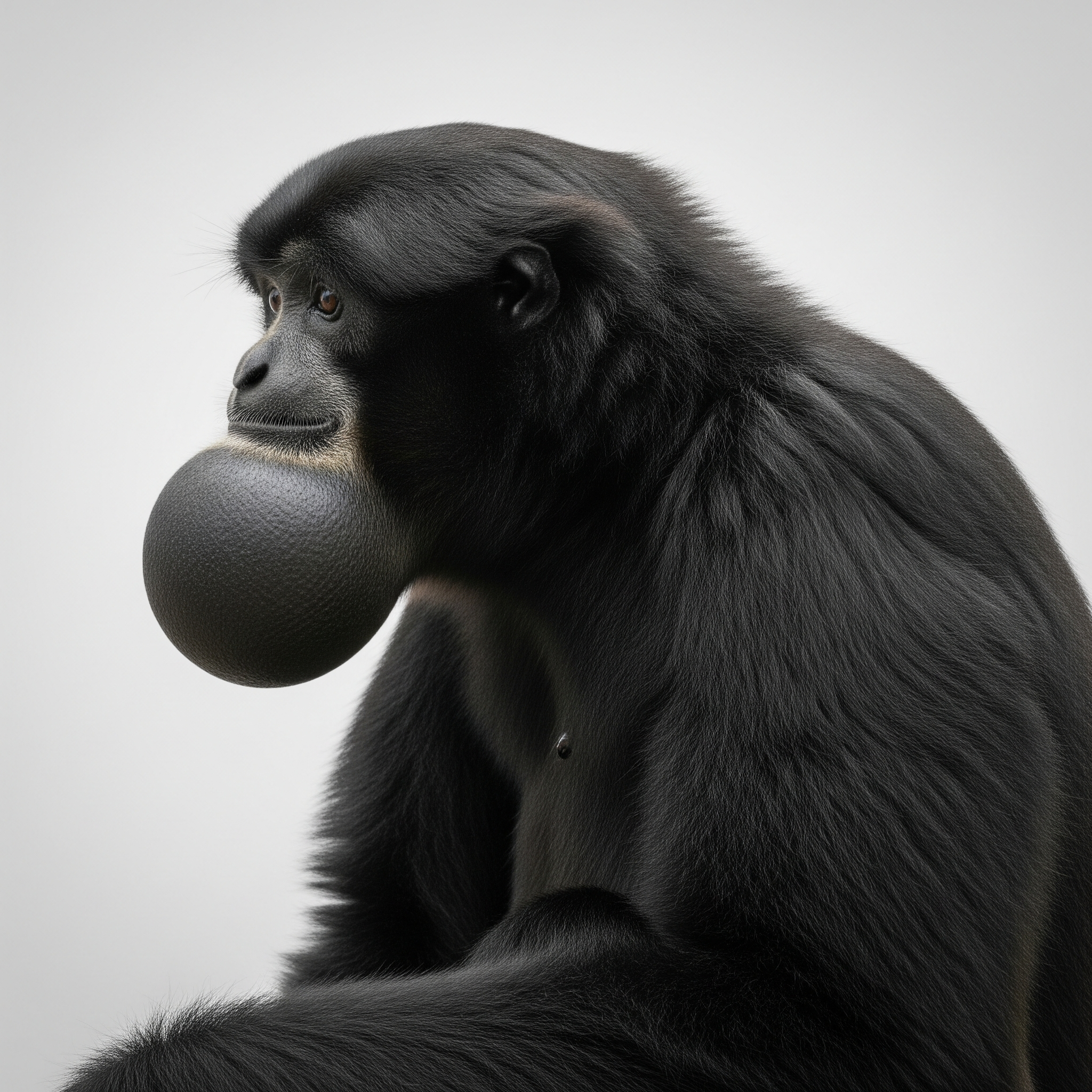
Archival print, museum-grade paper
Buy Poster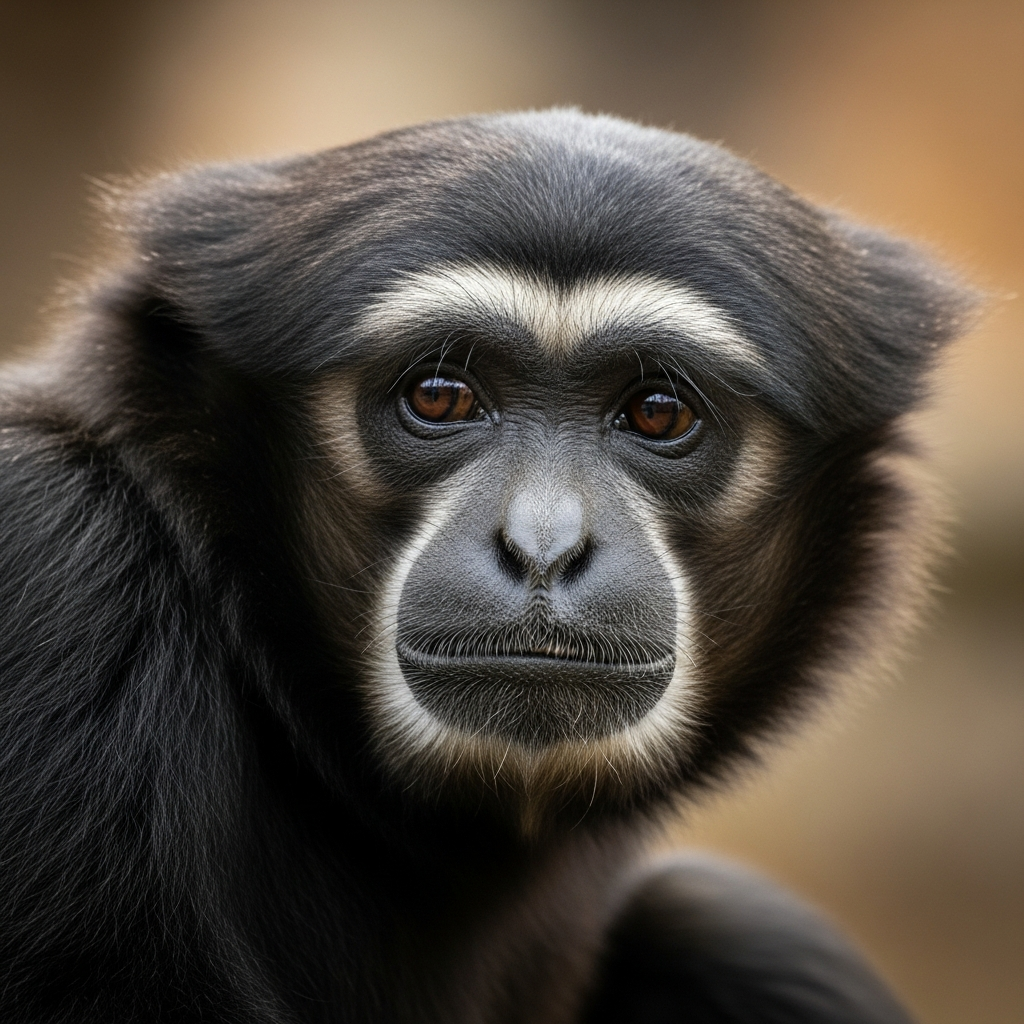
Stoneware mug, dishwasher safe
Buy Mug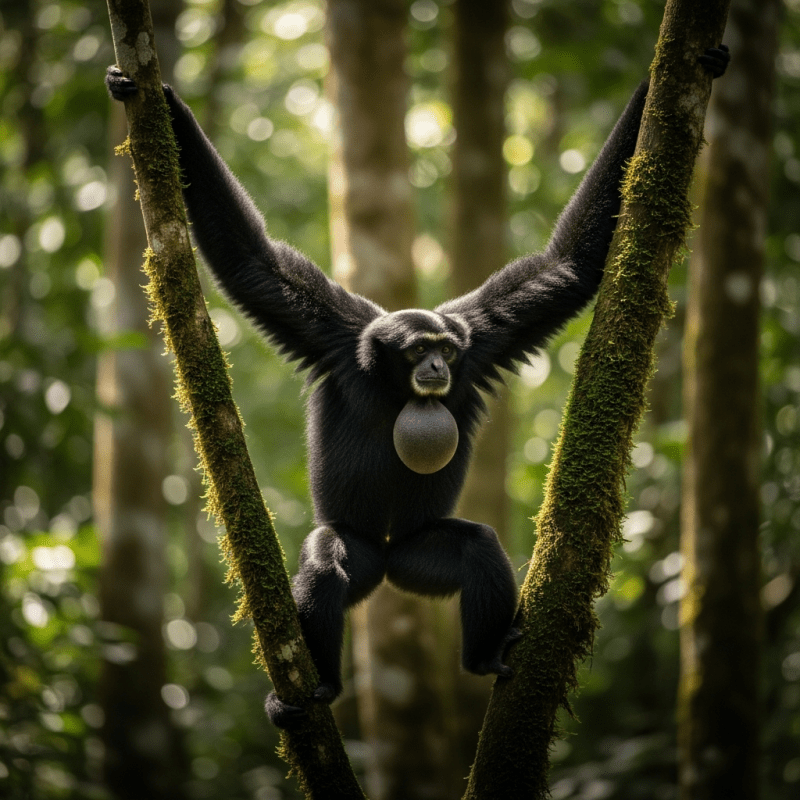
Soft cotton tee, unisex sizes
Buy ShirtWhile not widely featured in global popular culture, the siamang holds importance in local Southeast Asian traditions and ecotourism. Its distinctive calls and presence are valued in environmental education and conservation efforts, symbolizing the rich biodiversity of the region’s rainforests.
Siamangs dwell primarily in the dense tropical rainforests of Sumatra and the Malay Peninsula. They are arboreal and diurnal, living high in the forest canopy where they move with agility among the trees. Their range is limited to these Southeast Asian forests, making them sensitive to habitat disturbance.
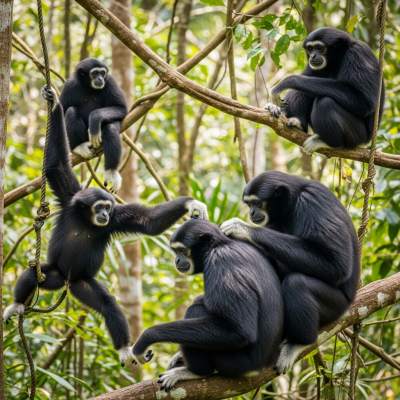
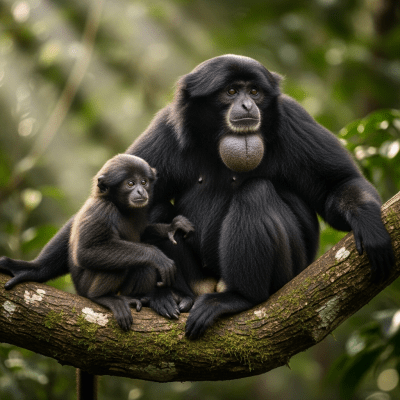
Siamangs typically live in small, monogamous family groups consisting of a mated pair and their offspring. These strong pair bonds are maintained through duetting vocalizations and cooperative parental care, fostering social stability and offspring survival within their territories.
While specific diet details are limited, siamangs are primarily frugivorous, feeding on a variety of fruits supplemented by leaves, flowers, and occasionally insects. Their arboreal lifestyle allows them to forage widely within the forest canopy.
Classified as Endangered, siamangs face significant threats from habitat loss due to deforestation and land conversion. Although illegal pet trade and local hunting for traditional medicine occur, these are less widespread. Conservation efforts focus on habitat protection and raising awareness through ecotourism and environmental education.
The siamang is a monotypic species within its genus, reflecting a distinct evolutionary path among gibbons. It shares a close genetic relationship with other members of the Hylobatidae family but is uniquely identified by its morphological and behavioral traits. Genetic studies have yet to reveal significant subspecies differentiation within the species.