Javan Gibbon
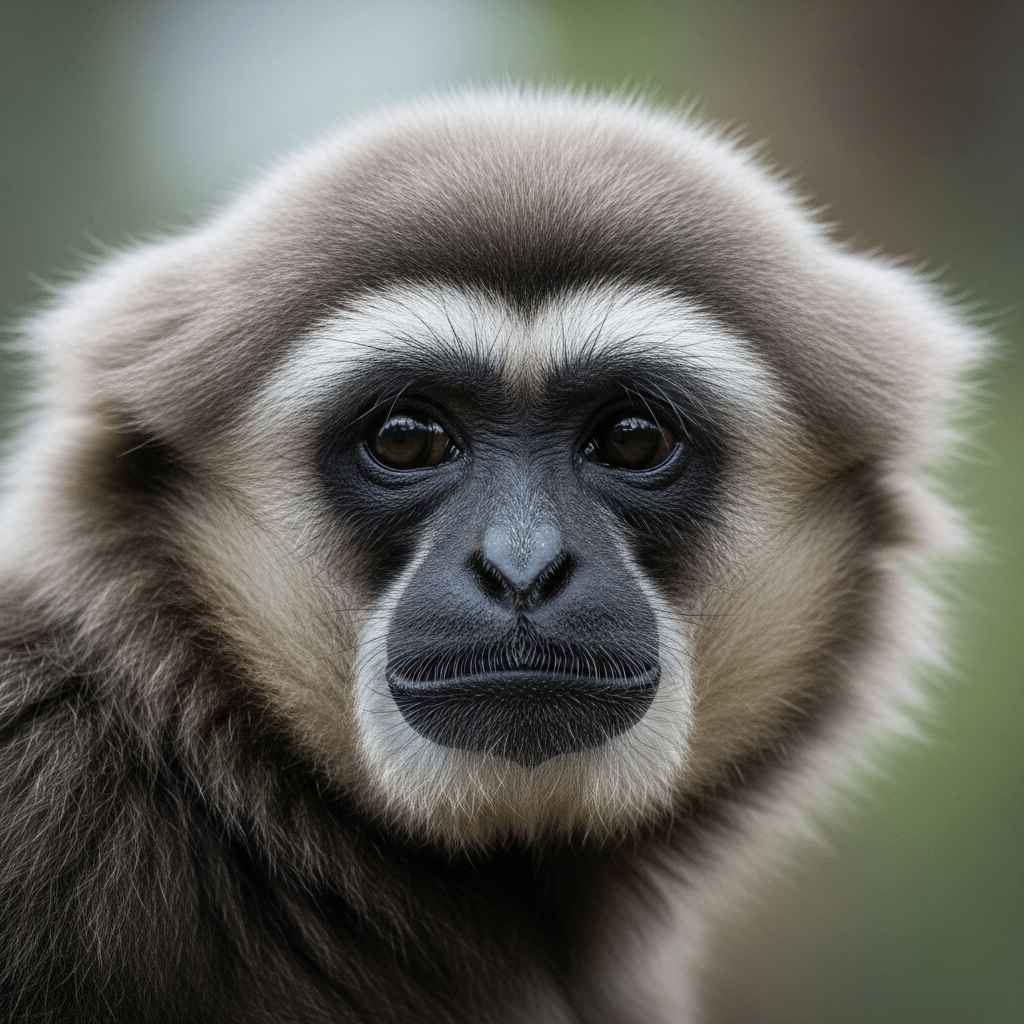
The Javan gibbon, also known as the Silvery gibbon (Hylobates moloch), is a small, arboreal lesser ape endemic to the island of Java, Indonesia, recognized for its silvery-grey fur and distinctive vocal duets.
The Javan gibbon, also known as the Silvery gibbon (Hylobates moloch), is a small, arboreal lesser ape endemic to the island of Java, Indonesia, recognized for its silvery-grey fur and distinctive vocal duets.
First described scientifically by A. Müller in 1838, the Javan gibbon evolved in isolation on Java during the Pleistocene epoch. Its unique traits reflect this long-standing geographic separation within the family Hylobatidae.
The Javan gibbon belongs to the family Hylobatidae, commonly known as the lesser apes, within the genus Hylobates. It is classified as a distinct species, Hylobates moloch, with no currently recognized subspecies.
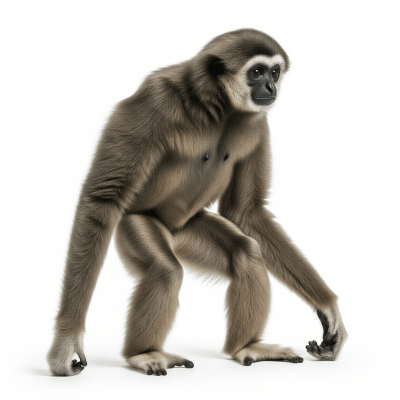
This species features a slender body measuring 44 to 64 cm in length and weighing between 6 and 8 kilograms. Its fur is predominantly silvery-grey, accented by darker facial markings and a characteristic white brow. Long arms adapted for brachiation enable agile movement through the forest canopy, with minimal sexual dimorphism observed.
Javan gibbons live strictly arboreal lives, moving gracefully through the treetops using their long arms. They form small, monogamous family groups that defend territories through complex vocal duets, which serve both social bonding and territorial purposes.
Bring this kind into your world illustrated posters, mugs, and shirts.

Archival print, museum-grade paper
Buy Poster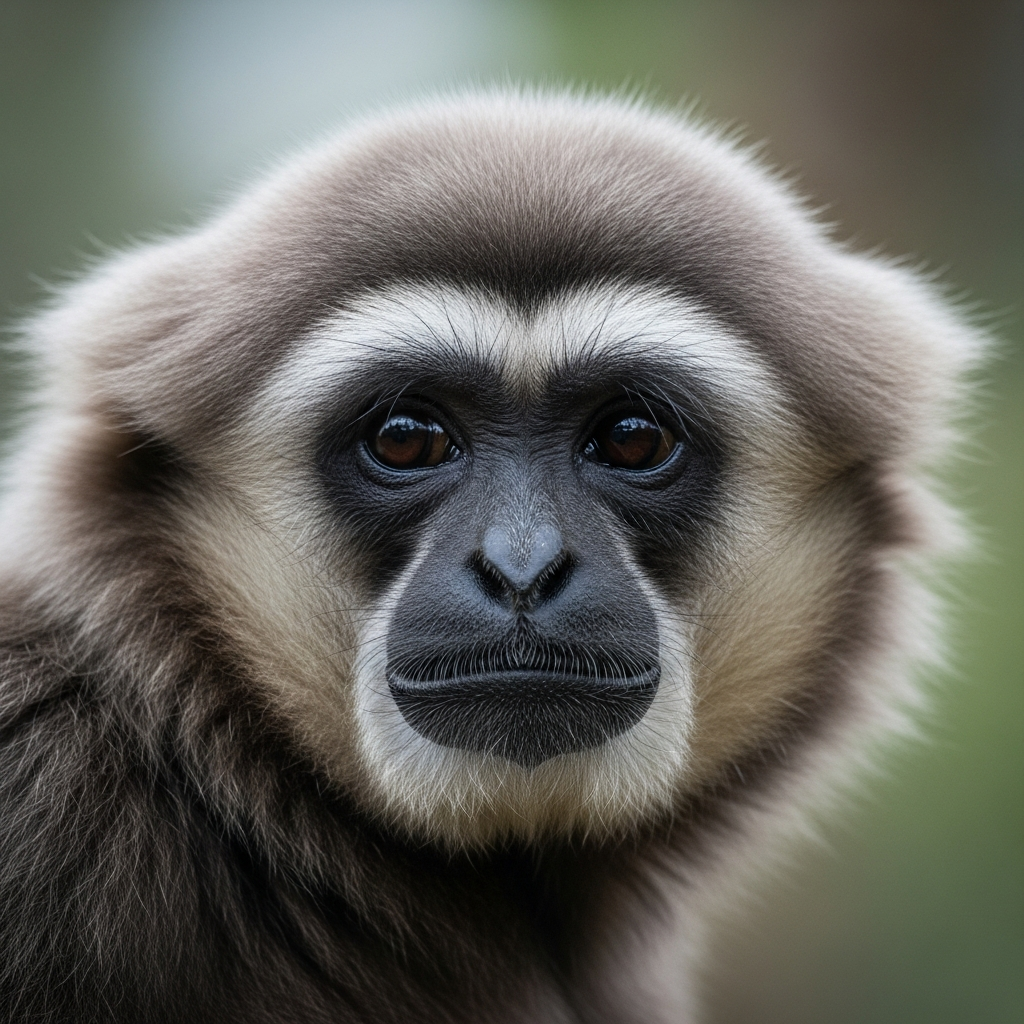
Stoneware mug, dishwasher safe
Buy Mug
Soft cotton tee, unisex sizes
Buy ShirtIn Java, the Javan gibbon holds cultural value as a symbol of forest conservation and appears in local folklore. It is also a flagship species in conservation education programs, emphasizing the importance of preserving Indonesia's rainforest heritage.
The Javan gibbon inhabits primary and secondary rainforests across Java, Indonesia, ranging from sea level up to 2,400 meters in elevation. Its habitat includes both lowland and montane forest types, where dense canopy cover supports its arboreal lifestyle.





This species lives in small, monogamous family groups that maintain and defend exclusive territories. Social cohesion is reinforced through vocal duets, which are a hallmark of their territorial and pair-bonding behaviors.
The Javan gibbon is primarily frugivorous, feeding mostly on a variety of fruits. It also supplements its diet with leaves, flowers, and insects, allowing it to adapt to seasonal changes in food availability.
Classified as Endangered, the Javan gibbon faces threats from habitat fragmentation, illegal hunting, and the pet trade. Its low reproductive rate and fragmented populations exacerbate its vulnerability. Strict legal protections under Indonesian law and CITES Appendix I aim to safeguard remaining populations.
The Javan gibbon diverged from other Hylobates species during the Pleistocene, evolving in isolation on Java. No hybridization events are known. Its genetic distinctiveness reflects its restricted range and evolutionary history within the lesser apes.