
Human
Humans (Homo sapiens) are bipedal primates distinguished by advanced cognitive abilities, complex language, and a global presence, making them unique among apes for their profound cultural and technological impact.
Humans (Homo sapiens) are bipedal primates distinguished by advanced cognitive abilities, complex language, and a global presence, making them unique among apes for their profound cultural and technological impact.
Homo sapiens originated in Africa approximately 300,000 years ago, descending from early hominin ancestors. The species was formally described by Carl Linnaeus in 1758, marking the beginning of its scientific classification.
Humans belong to the superfamily Hominoidea (apes), within the family Hominidae (great apes). They are the sole extant species of the genus Homo, classified under the tribe Hominini and subfamily Homininae, reflecting their close evolutionary relationships with other African apes.
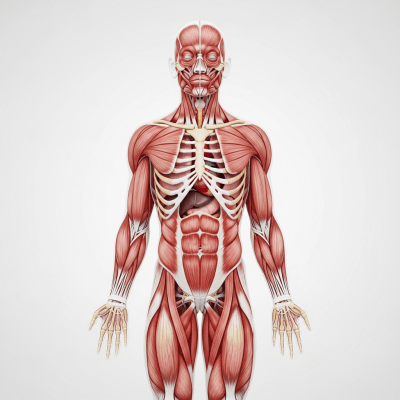
Humans are characterized by an upright, bipedal posture with an average adult height ranging from 140 to 190 cm and weight between 40 and 120 kg. Skin coloration varies widely from very pale to very dark, with typically sparse body hair except on the scalp. Distinctive features include a large brain averaging around 1350 cm³ in cranial capacity, reduced facial projection, and highly dexterous hands capable of fine motor control.
Humans exhibit complex behaviors including sophisticated language, abstract reasoning, and cultural expression. Their use of tools, technology, and social systems has allowed them to adapt to virtually every terrestrial habitat on Earth. Unlike other apes, humans have shaped environments and societies through innovation and cooperation on a global scale.
Bring this kind into your world illustrated posters, mugs, and shirts.

Archival print, museum-grade paper
Buy Poster
Stoneware mug, dishwasher safe
Buy Mug
Soft cotton tee, unisex sizes
Buy ShirtHumans are central to all known cultures, histories, religions, and arts. They appear as creators, subjects, and agents in myth, literature, and modern media worldwide. Their cultural achievements span from ancient cave art to contemporary technology, reflecting an unparalleled capacity for symbolic thought and social complexity.
Humans inhabit virtually every terrestrial environment worldwide, from tropical forests and deserts to urban centers and polar regions. This global distribution is largely due to cultural and technological adaptations rather than natural habitat preferences.


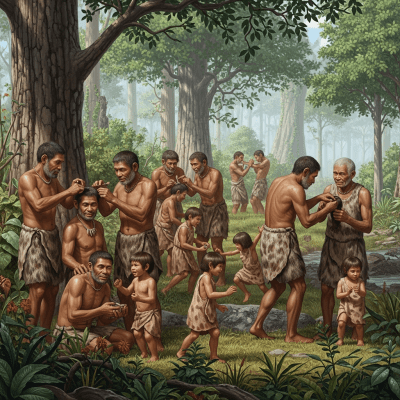


Human social structures are highly diverse, ranging from small family units to complex societies with intricate hierarchies and institutions. Social bonds, cooperation, and cultural norms govern interactions, enabling large-scale communities and civilizations.
Humans are omnivorous, consuming a wide variety of plant and animal foods. Dietary habits vary greatly across cultures and environments, influenced by availability, tradition, and technology. Cooking and food processing are unique human practices that enhance nutrition and safety.
Humans are classified as Least Concern due to their vast population and global range. However, they face threats from zoonotic diseases, environmental hazards, and genetic disorders. Unlike other apes, humans actively manage their conservation through medicine, public health, and environmental stewardship.
Humans possess 46 chromosomes and exhibit significant genetic diversity shaped by migration and adaptation. They evolved from African hominins approximately 300,000 years ago, sharing close ancestry with chimpanzees and bonobos. While hybridization with other ape species is not documented in the wild, human evolution reflects complex patterns of gene flow and selection.