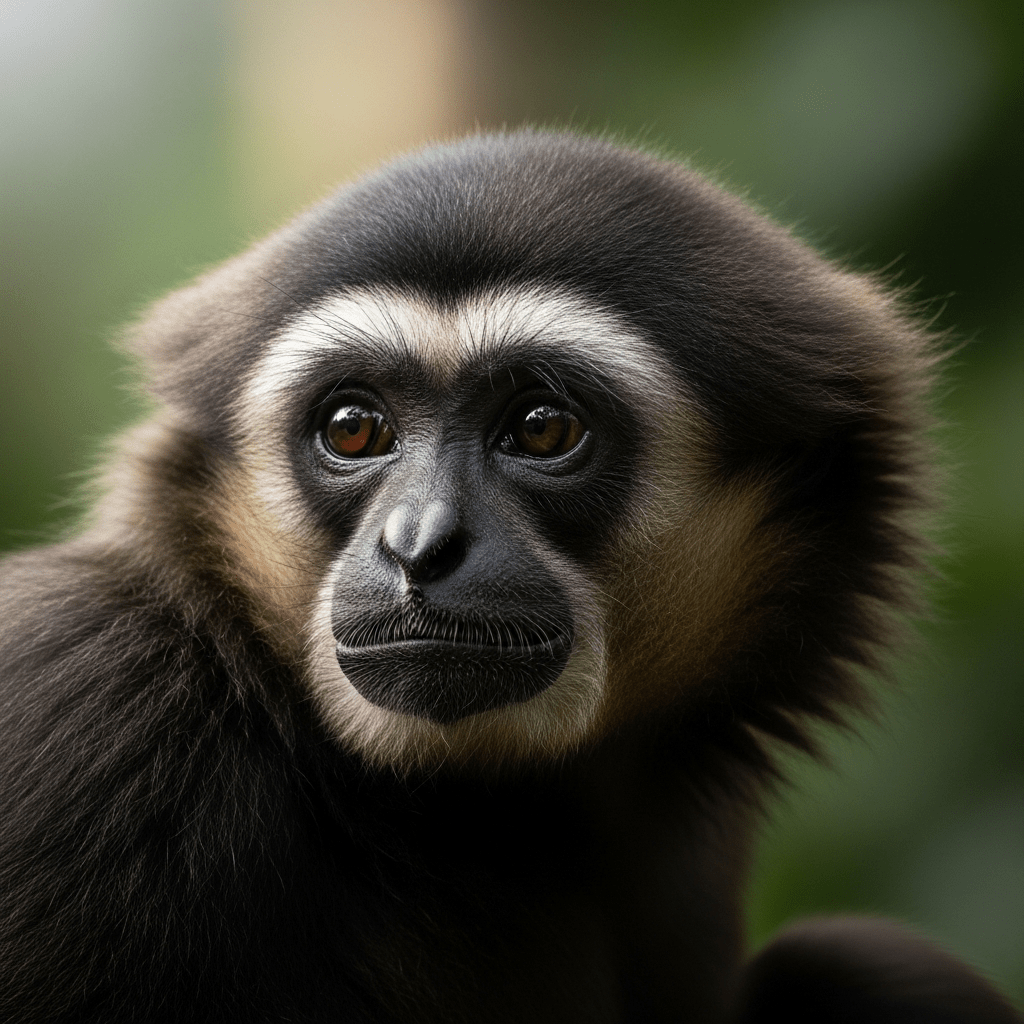
Hainan Gibbon
The Hainan gibbon (Nomascus hainanus) is the world’s rarest ape, critically endangered and confined to a small forest reserve on Hainan Island, China.
The Hainan gibbon (Nomascus hainanus) is the world’s rarest ape, critically endangered and confined to a small forest reserve on Hainan Island, China.
First described scientifically by Thomas Geissmann in 2007, the Hainan gibbon was recognized as a distinct species based on unique morphological and genetic traits. It is native exclusively to the Bawangling National Nature Reserve on Hainan Island, where it has persisted in isolation from its closest relatives.
The Hainan gibbon belongs to the family Hylobatidae within the superfamily Hominoidea. It is classified in the genus Nomascus, closely related to other black-crested gibbons but reproductively isolated due to its island habitat.
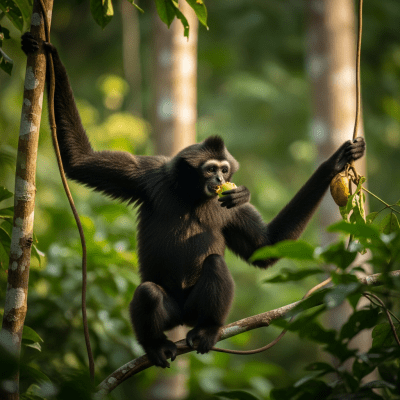
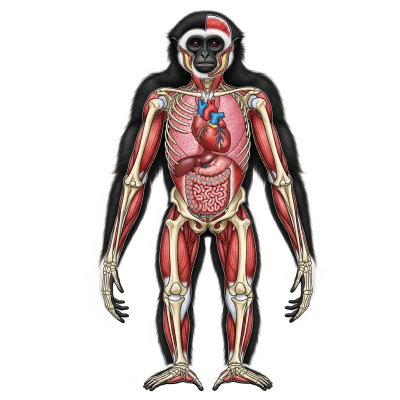
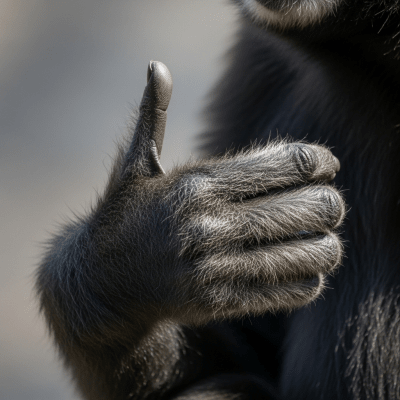
This medium-sized gibbon exhibits striking sexual dimorphism in coloration: adult males have black fur, while females display golden or buff tones with distinctive facial markings. Adults typically measure 45–64 cm in height and weigh between 7 and 8 kilograms. Their arboreal lifestyle is supported by agile brachiation, and their vocalizations include complex duet songs unique among gibbons.
The Hainan gibbon lives primarily in small family groups of two to six individuals, exhibiting both monogamous and polygynous mating systems. Highly arboreal, they move through the forest canopy by swinging hand-over-hand. Their elaborate vocal duets serve territorial and social functions. Reproduction is slow, with females typically giving birth every two to four years.
Bring this kind into your world illustrated posters, mugs, and shirts.
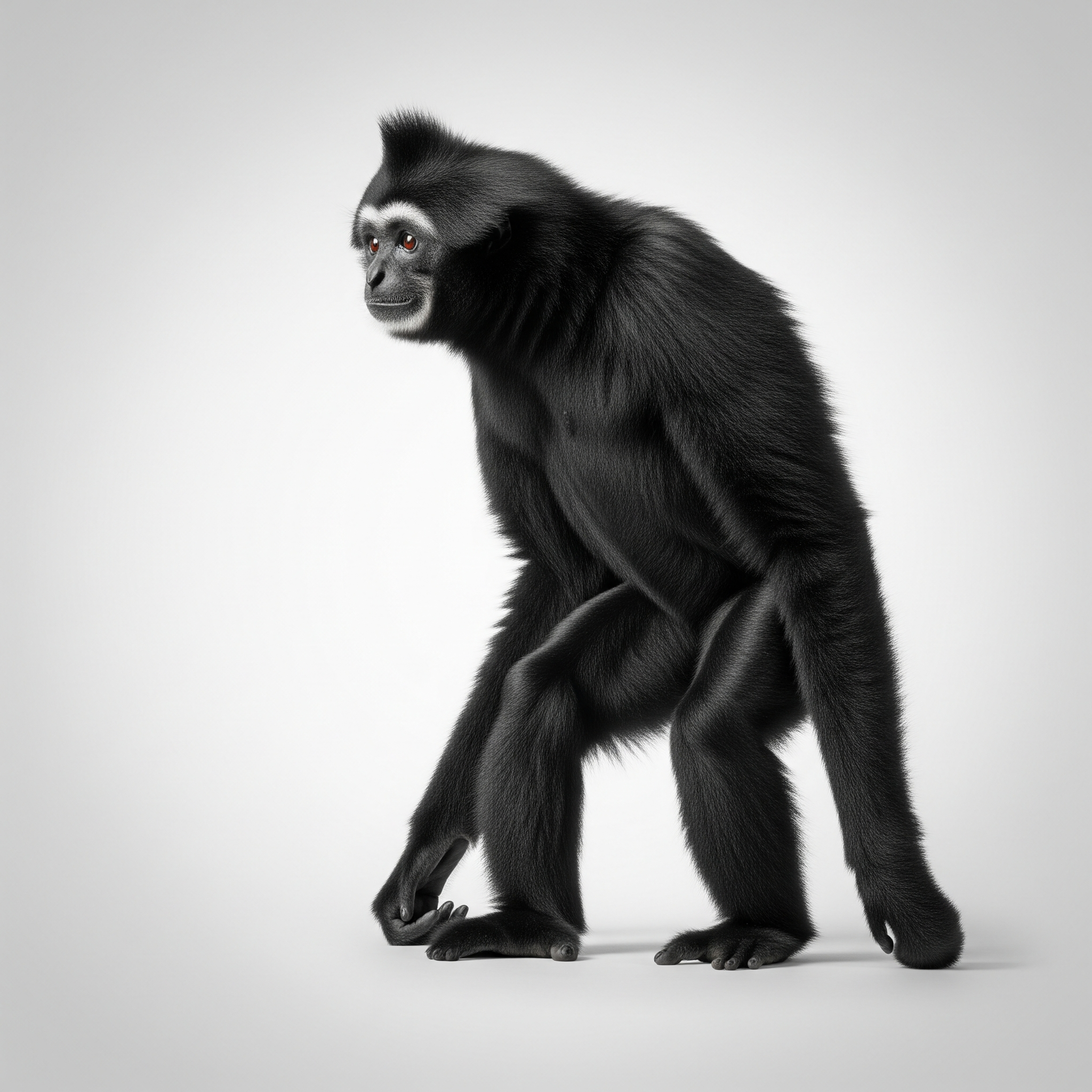
Archival print, museum-grade paper
Buy Poster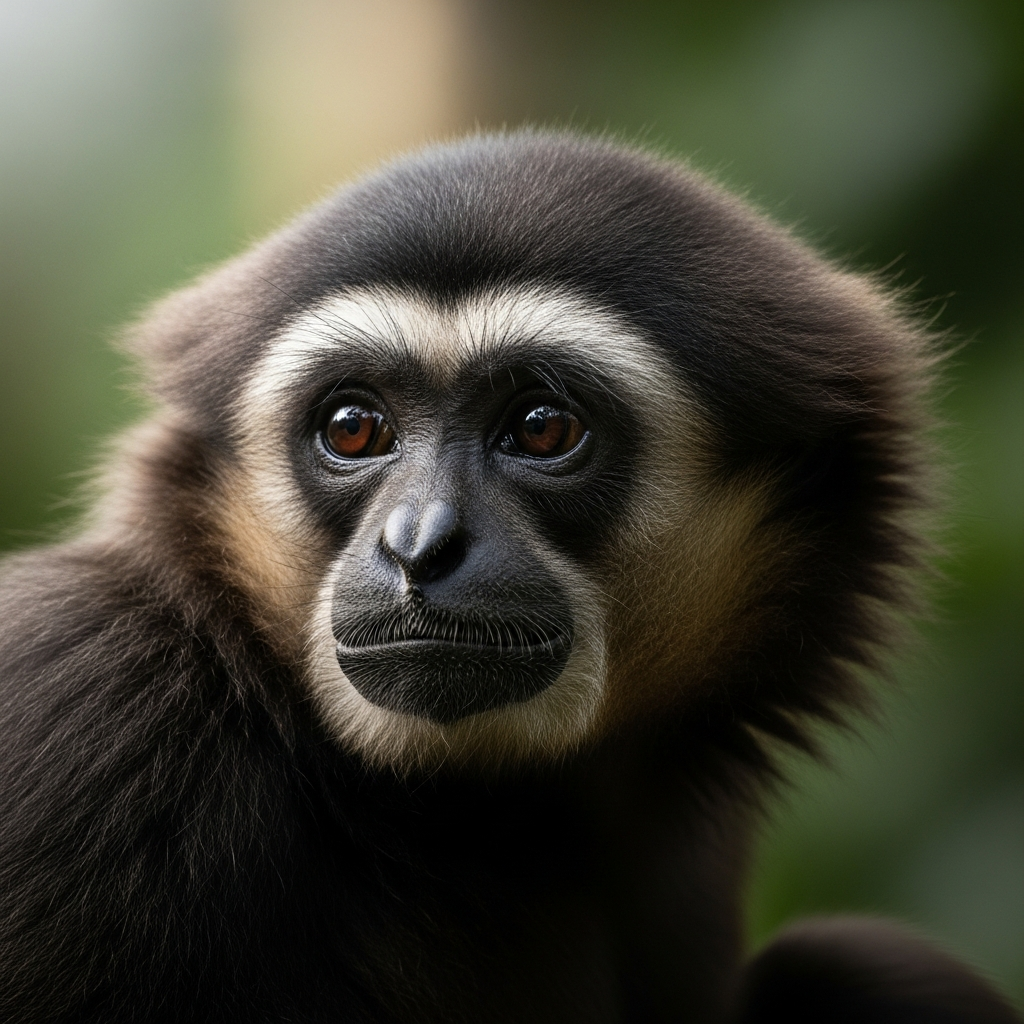
Stoneware mug, dishwasher safe
Buy Mug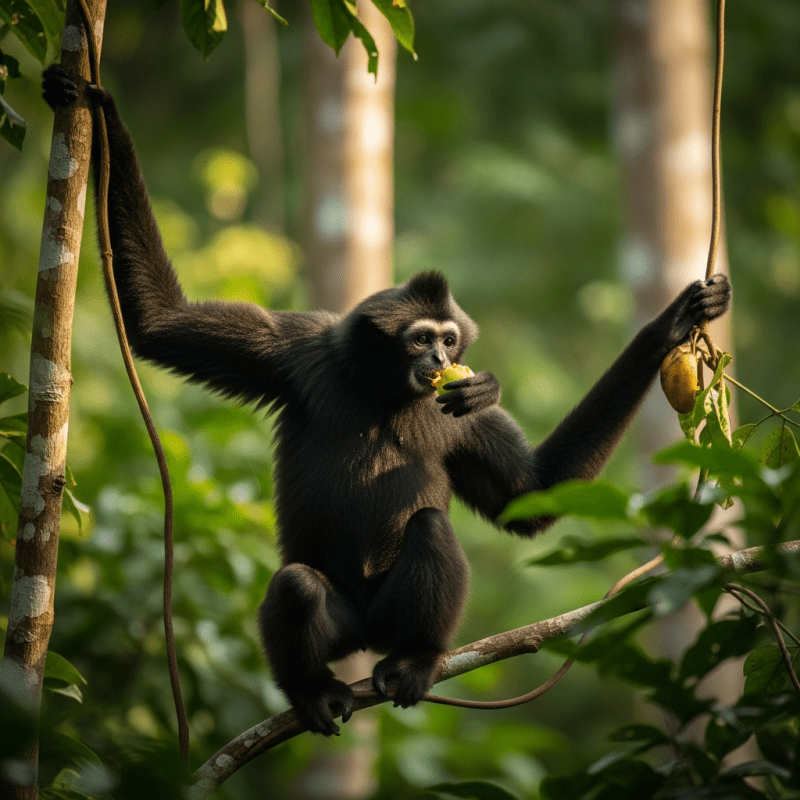
Soft cotton tee, unisex sizes
Buy ShirtWhile the Hainan gibbon holds no commercial or culinary value, it is a powerful symbol of biodiversity conservation in China. Featured prominently in local educational campaigns, it embodies the urgent need to protect endangered species and their habitats on Hainan Island.
The Hainan gibbon inhabits dense, subtropical forest within the Bawangling National Nature Reserve on Hainan Island. This highly restricted range confines the entire species to a single protected area, making it vulnerable to habitat fragmentation and environmental changes.

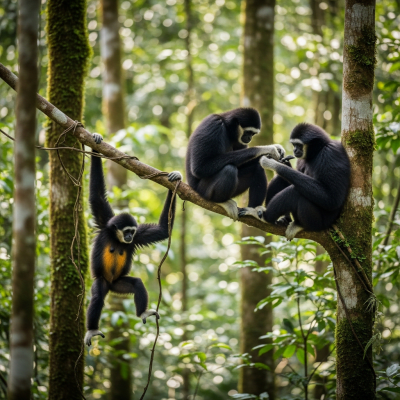

Typically, Hainan gibbons form small family groups of two to six members. These groups may follow monogamous or polygynous mating systems, with strong social bonds maintained through vocal communication and grooming. Territoriality is expressed through their complex duet songs.
Their diet is primarily frugivorous, focusing on ripe fruits found in the forest canopy. This is supplemented by leaves, flowers, and occasional insects, providing a balanced intake of nutrients essential for their arboreal lifestyle.
Classified as Critically Endangered, the Hainan gibbon faces severe threats from habitat disturbance and fragmentation. With fewer than 40 individuals remaining, its tiny population and limited distribution make it highly vulnerable to extinction. Strict legal protections under CITES Appendix I prohibit hunting and trade, but ongoing conservation efforts are vital to its survival.
Genetically distinct from its closest relative, the eastern black-crested gibbon (Nomascus nasutus), the Hainan gibbon shows no evidence of hybridization. Its insular isolation has driven reproductive separation and unique evolutionary traits, underscoring its importance as a distinct lineage within the black-crested gibbons.