Origin Story

First described in 1914 by Paul Matschie, Grauer's gorilla is named after the Austrian explorer Rudolf Grauer who collected specimens in the early 20th century. This subspecies is native to the lowland and montane forests of eastern Democratic Republic of the Congo, where it has evolved as one of two recognized eastern gorilla subspecies.

Classification

Grauer's gorilla belongs to the genus Gorilla, species Gorilla beringei, and is classified as a subspecies: Gorilla beringei graueri. It is nested within the tribe Gorillini, subfamily Homininae, family Hominidae, and superfamily Hominoidea, grouping it among the great apes closely related to mountain gorillas and humans.

Appearance or Form

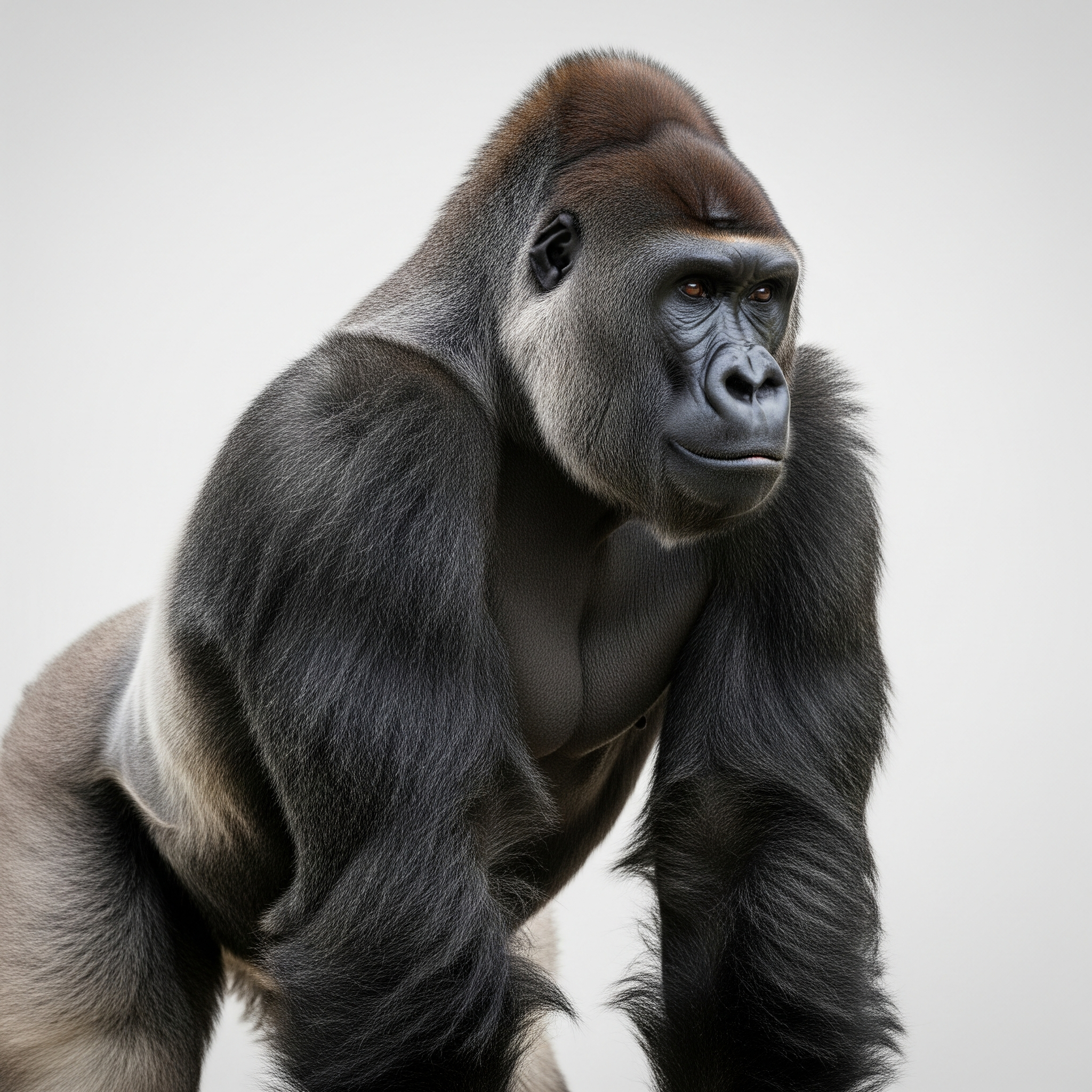
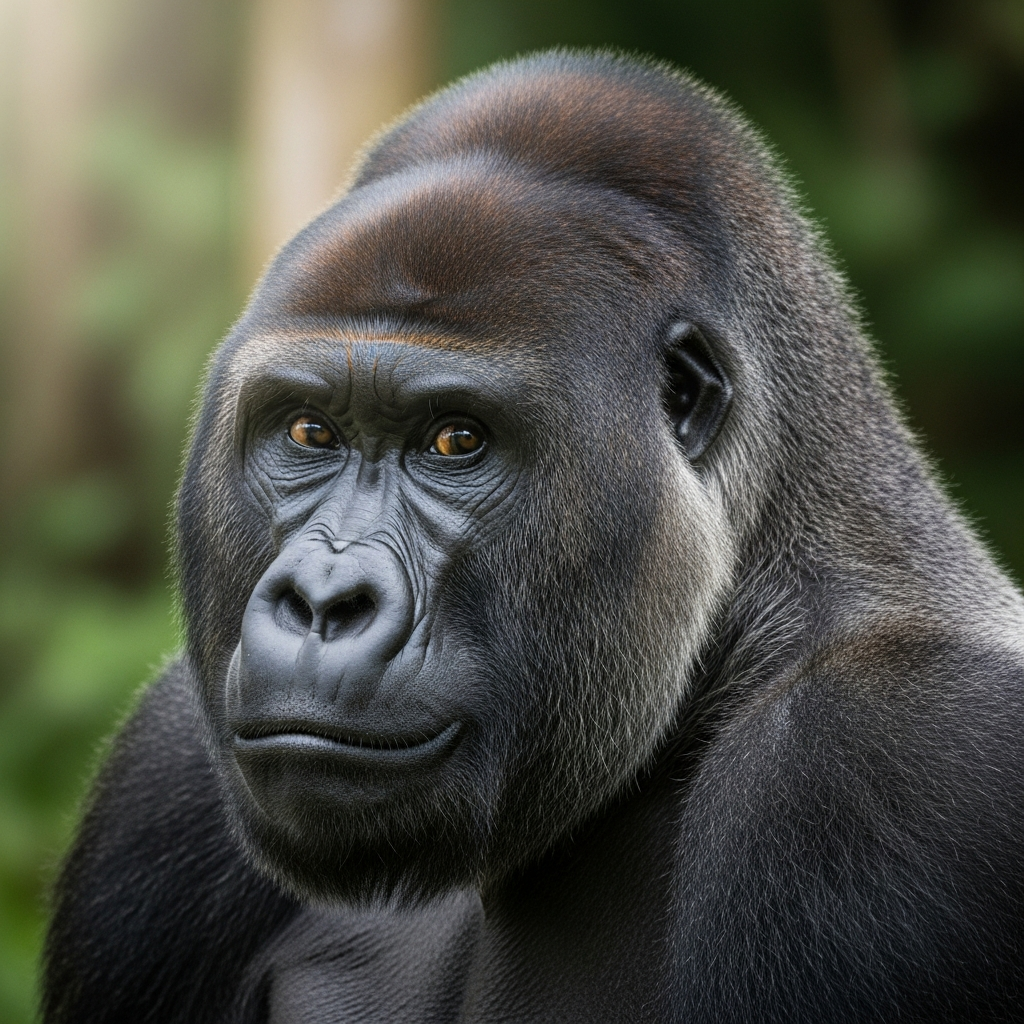
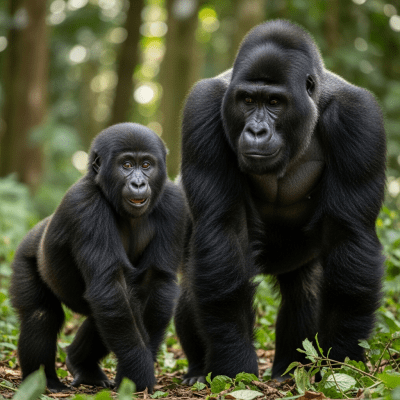
Grauer's gorilla is distinguished by its massive, stocky body, broad chest, and large hands. Adult males can reach up to 185 cm in height and weigh as much as 210 kg, while females are smaller, averaging 90 to 100 kg. Its fur is deep black and notably shorter than that of mountain gorillas, with juveniles showing lighter facial features and longer hair.

Behavior or Usage

This subspecies is primarily terrestrial and moves by knuckle-walking. Grauer's gorillas live in highly social groups led by a dominant silverback, exhibiting slow reproductive rates typical of gorillas. Females reach sexual maturity between 8 and 10 years, with interbirth intervals of four to six years. They interact closely within their groups and adapt their behavior to the seasonal availability of food.

Merchandise & Prints

Bring this kind into your world � illustrated posters, mugs, and shirts.

Grauer's Gorilla Grauer's Gorilla Poster

Grauer's Gorilla Poster

Archival print, museum-grade paper

Grauer's Gorilla Grauer's Gorilla Mug

Grauer's Gorilla Mug

Stoneware mug, dishwasher safe

Grauer's Gorilla Grauer's Gorilla Shirt

Grauer's Gorilla Shirt

Soft cotton tee, unisex sizes

Attributes & Insights

Taxon-Specific Insights

🌍Cultural Significance

Grauer's gorilla holds cultural and symbolic importance for local communities and conservation groups in the Democratic Republic of the Congo. While direct economic or culinary use is prohibited, the gorilla is valued as a symbol of wildlife heritage. Due to ongoing conflict and security issues, ecotourism remains limited, restricting broader cultural exposure.

📌Notable Facts

  • It is the largest-bodied subspecies of eastern gorilla.
  • Adult males can weigh up to 210 kg and stand nearly 1.85 meters tall.
  • The subspecies has shorter, deep-black hair compared to mountain gorillas.
  • Grauer's gorilla groups can range from just a pair to over 30 individuals.
  • It is critically endangered, facing threats from habitat loss, poaching, and disease.

🌍Habitat And Distribution

Grauer's gorilla occupies lowland tropical forests as well as submontane and montane forests at elevations ranging from 600 to 2,900 meters. Its range is restricted to the eastern regions of the Democratic Republic of the Congo, where it depends on dense forest habitats for food and shelter.

Visual Variations

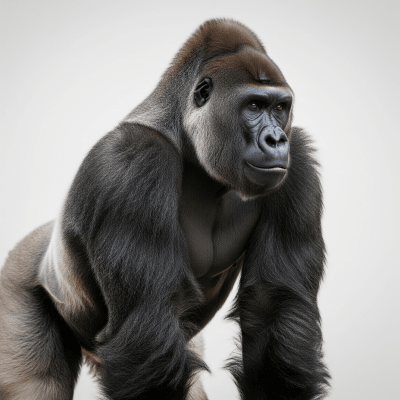
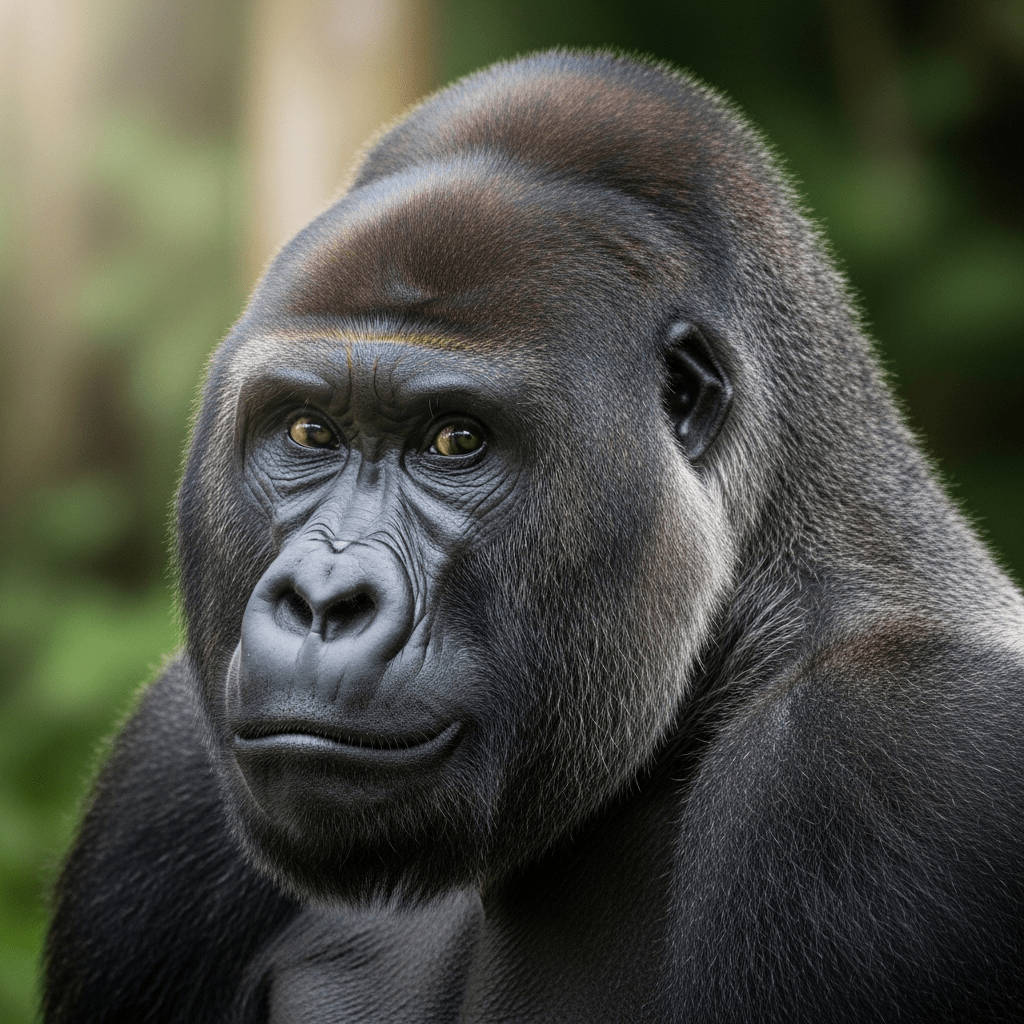
High quality studio photograph of a Eastern lowland (Grauer's) gorilla (subspecies)
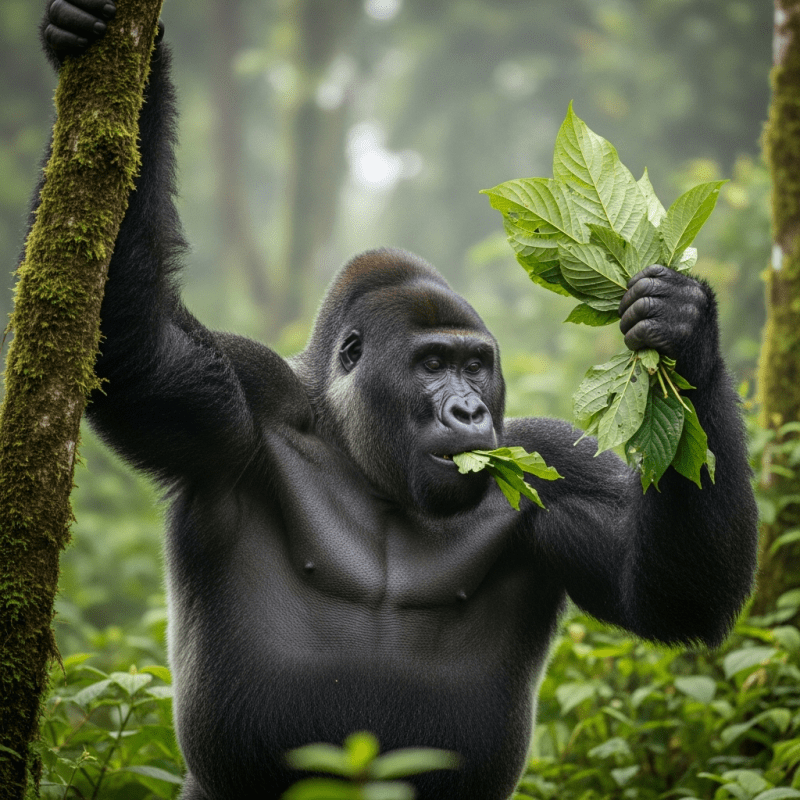
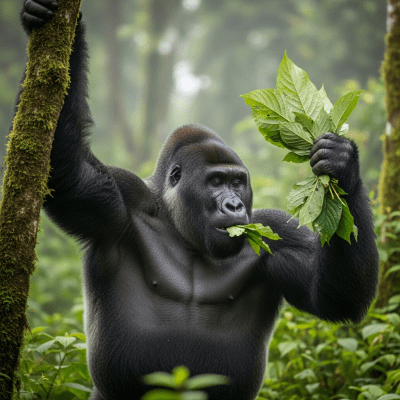
Photograph of a Eastern lowland (Grauer's) gorilla (subspecies) (apes) in its natural habitat
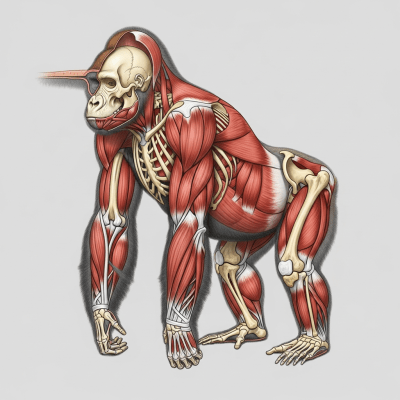
Detailed anatomical illustration of a Eastern lowland (Grauer's) gorilla (subspecies), part of the taxonomy apes
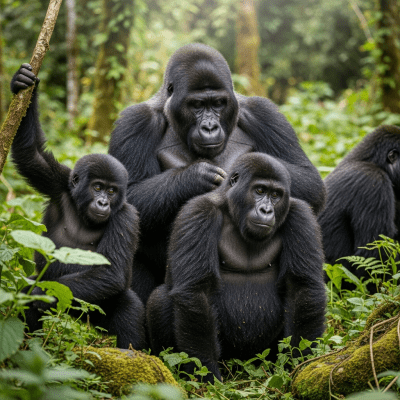
Image showing a group of Eastern lowland (Grauer's) gorilla (subspecies) (apes) engaging in typical social behavior
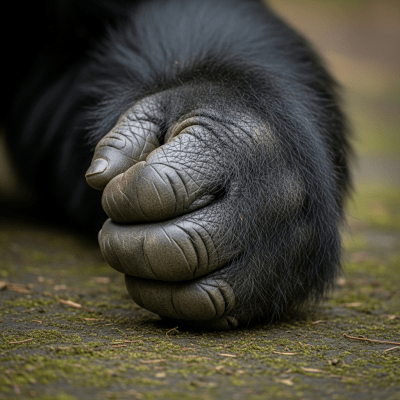
Close-up photograph of the hands or feet of a Eastern lowland (Grauer's) gorilla (subspecies), part of the taxonomy apes
Photograph of a juvenile Eastern lowland (Grauer's) gorilla (subspecies) (apes) alongside an adult in their environment

Composition & Context

Taxon-Specific Insights

👥Social Structure

This subspecies forms cohesive social groups typically led by a dominant silverback male. Group sizes vary widely, from small pairs to large groups exceeding 30 individuals, with an average around 10. These groups exhibit complex social interactions and strong bonds, essential for protection and raising offspring.

🍃Diet And Feeding

Grauer's gorillas are primarily folivorous-frugivorous, feeding on a varied diet of leaves, stems, fruits, and bark. Occasionally, they consume insects. Their diet shifts seasonally depending on availability, demonstrating adaptability within their forest environment.

⚠️Conservation And Threats

Classified as critically endangered, Grauer's gorilla faces severe threats from habitat loss, poaching for bushmeat, civil unrest in its native region, and diseases such as Ebola and respiratory infections. Habitat fragmentation further exacerbates its vulnerability. It is legally protected under national and international laws, including CITES Appendix I, but enforcement challenges persist.

🧬Genetics And Evolution

Grauer's gorilla shares its lineage with the mountain gorilla as one of two subspecies of Gorilla beringei. No hybridization events with other gorilla taxa have been documented. Genetic studies place it firmly within the great ape clade, highlighting its close evolutionary relationship with other gorillas and humans.

Faq

  • Where is Grauer's gorilla found? It inhabits lowland and montane forests in eastern Democratic Republic of the Congo.
  • Why is it endangered? Major threats include habitat destruction, illegal hunting, civil unrest, and diseases like Ebola.
  • How does it differ from the mountain gorilla? Grauer's gorilla is larger, has shorter hair, and lives at lower elevations than mountain gorillas.