Origin Story

First described in 1904 by Paul Matschie from specimens collected near the Cross River region, this subspecies was distinguished through genetic and morphological studies as uniquely adapted and isolated from other western gorillas. Its discovery marked recognition of a distinct lineage confined to a narrow geographic area.

Classification

The Cross River gorilla is a subspecies of the western gorilla (Gorilla gorilla), classified within the tribe Gorillini of the subfamily Homininae in the family Hominidae. It is genetically and morphologically distinct from its closest relative, the western lowland gorilla (Gorilla gorilla gorilla), reflecting its isolated evolutionary path.

Appearance or Form

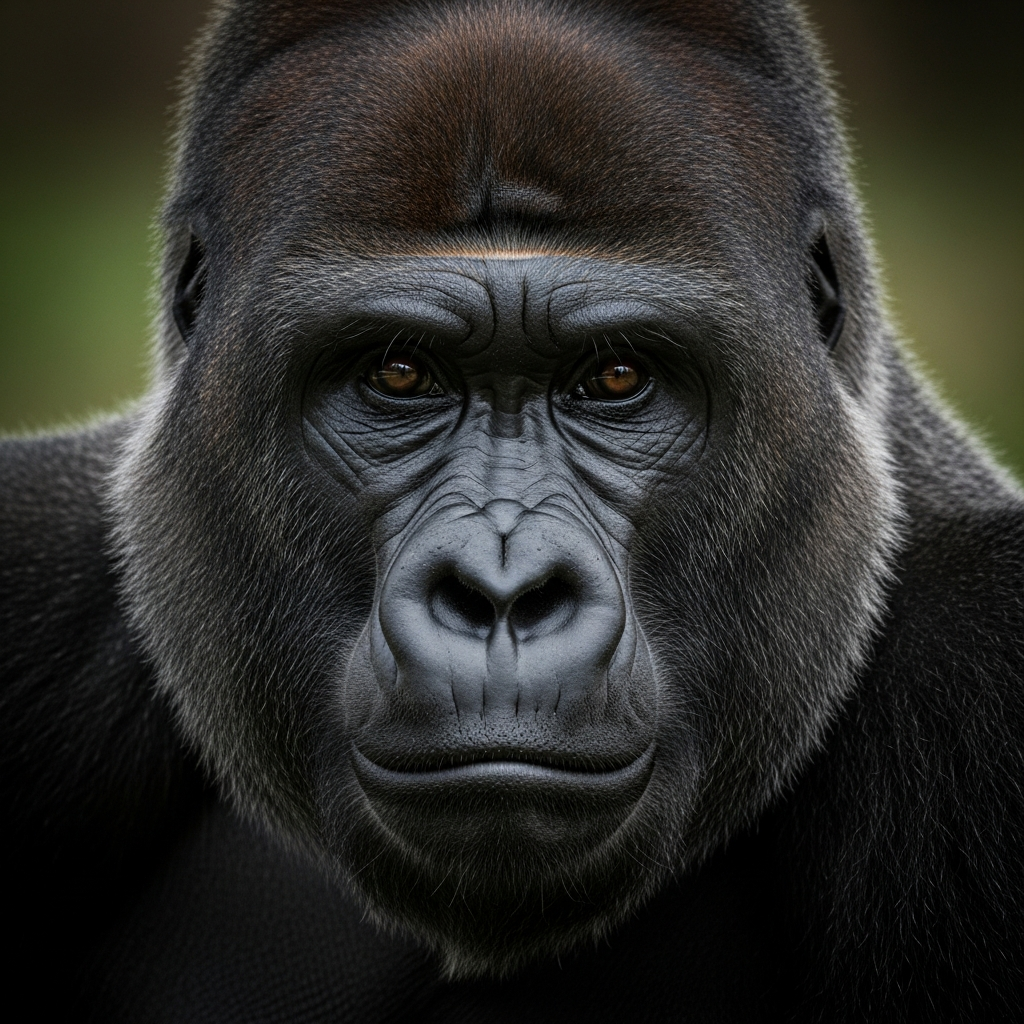
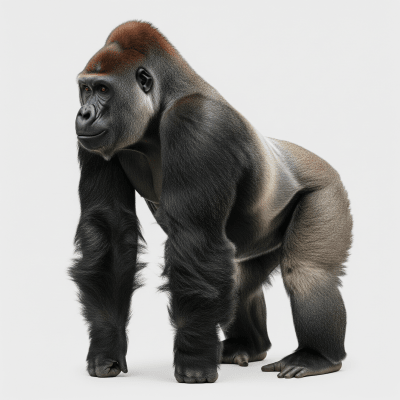
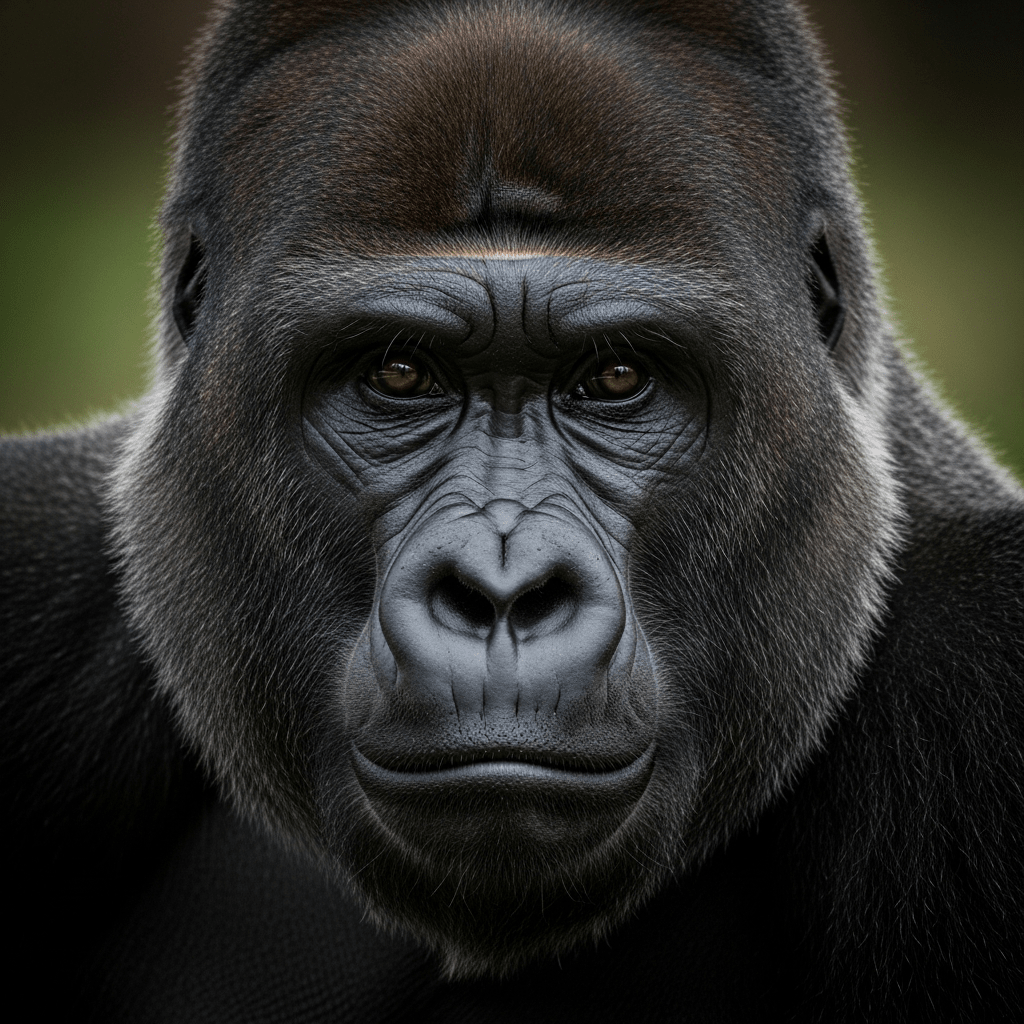
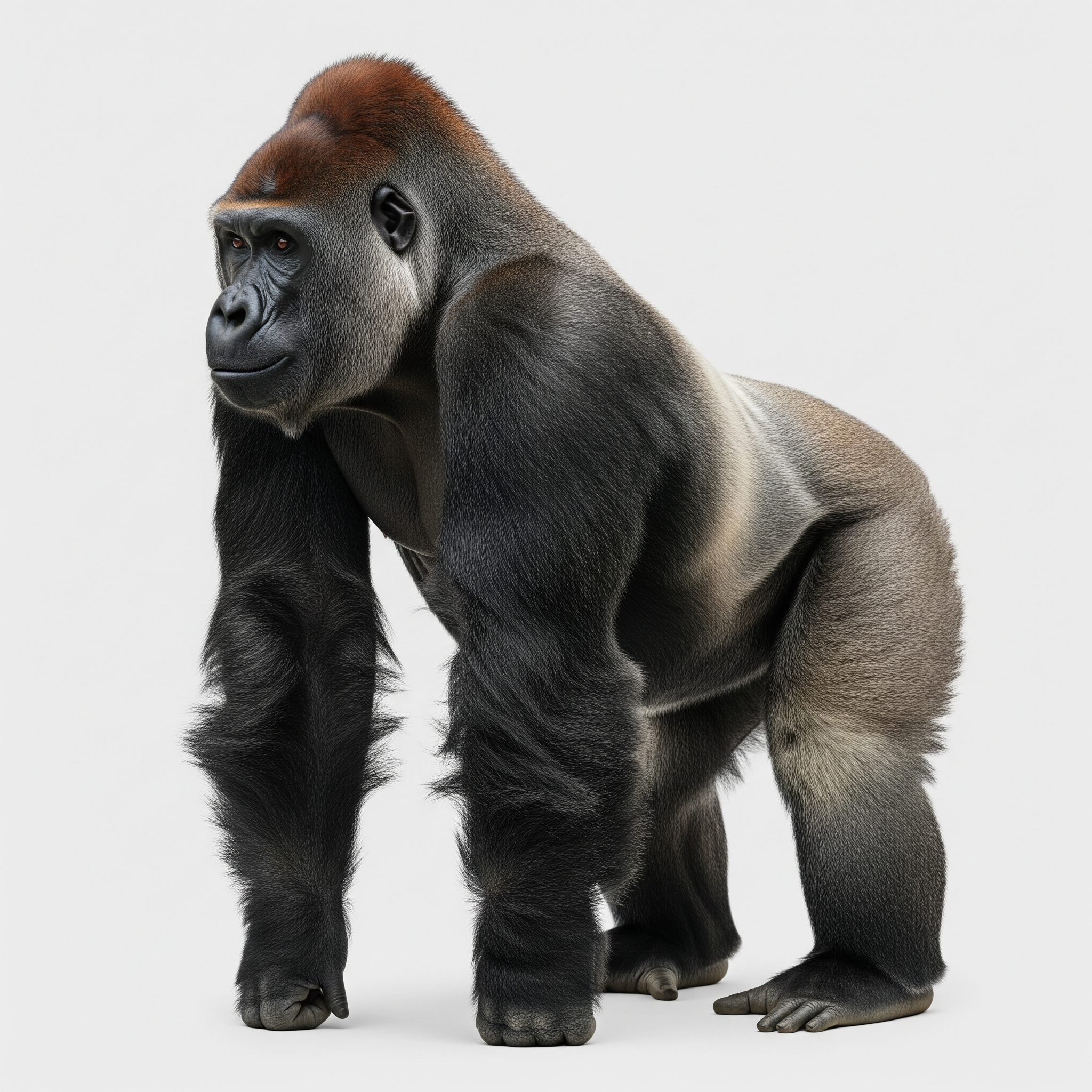
This gorilla subspecies exhibits coarse dark fur with characteristic silvering on the backs of mature males, known as silverbacks. Adult males typically stand between 140 and 180 cm tall and weigh 140 to 200 kg, while females are smaller, averaging 120 to 150 cm in height and 70 to 100 kg in weight. Notably, Cross River gorillas have smaller teeth and shorter palates compared to other western gorillas, alongside subtle cranial differences.

Behavior or Usage

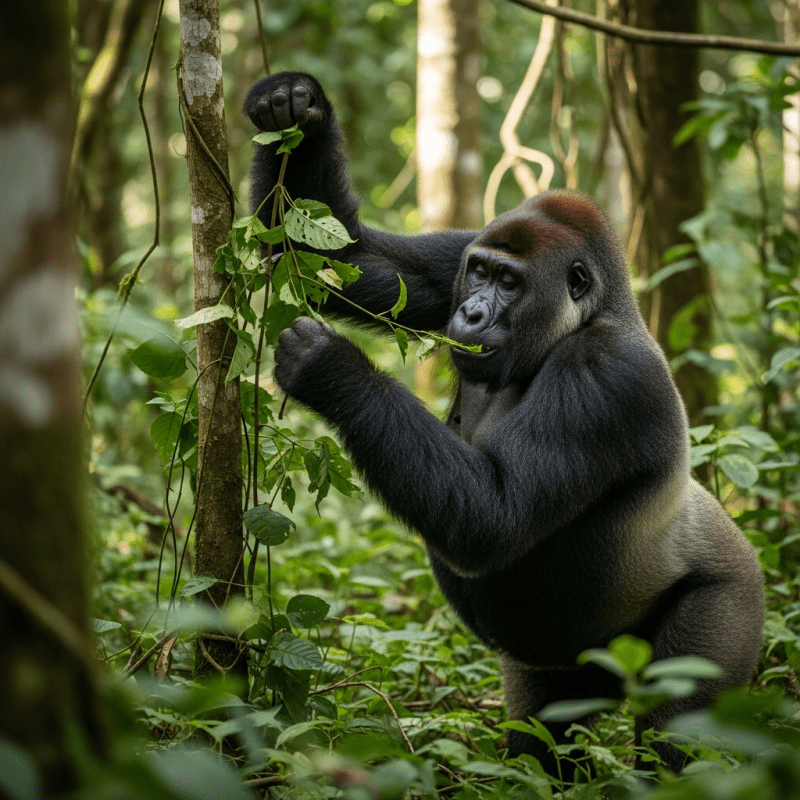
Cross River gorillas live in small social groups of four to seven individuals, usually led by a dominant silverback male with several females and their offspring. Their behavior includes seasonal movements between forest fragments, and they primarily feed on fruit, supplemented by leaves, stems, and occasional insects. Reproduction is slow, with females typically giving birth every four to six years.

Merchandise & Prints

Bring this kind into your world � illustrated posters, mugs, and shirts.

Cross River Gorilla Cross River Gorilla Poster

Cross River Gorilla Poster

Archival print, museum-grade paper

Cross River Gorilla Cross River Gorilla Mug

Cross River Gorilla Mug

Stoneware mug, dishwasher safe

Cross River Gorilla Cross River Gorilla Shirt

Cross River Gorilla Shirt

Soft cotton tee, unisex sizes

Attributes & Insights

Taxon-Specific Insights

🌍Cultural Significance

Locally known as "Mbene" in Cameroon and "Efi" in Nigeria's Efik language, the Cross River gorilla holds cultural importance in regional folklore and traditions. It serves as a flagship species for conservation efforts, symbolizing the urgent need to protect endangered wildlife and their habitats in West Africa. Due to its rarity and sensitivity, ecotourism is limited but valued where feasible.

📌Notable Facts

  • The Cross River gorilla is the rarest great ape, with fewer than 300 individuals remaining in the wild.
  • It is genetically distinct from the western lowland gorilla, with unique cranial and dental traits.
  • No captive populations exist; all known individuals are wild-born.
  • Its habitat is highly fragmented, confined to montane and submontane forests at elevations of 100 to 2,000 meters.
  • It is strictly protected under CITES Appendix I and national laws but still threatened by illegal hunting and habitat loss.

🌍Habitat And Distribution

Restricted to montane and submontane forests between 100 and 2,000 meters elevation, the Cross River gorilla occupies a highly fragmented range along the Nigeria-Cameroon border. Its habitat consists of dense tropical forests that are increasingly isolated by human activities, limiting dispersal and gene flow between groups.

Visual Variations

High quality studio photograph of a Cross River gorilla (subspecies)
Photograph of a Cross River gorilla (subspecies) (apes) in its natural habitat
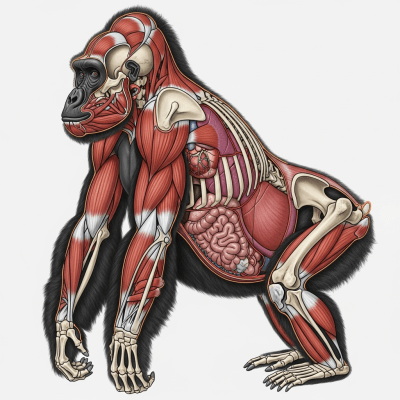
Detailed anatomical illustration of a Cross River gorilla (subspecies), part of the taxonomy apes
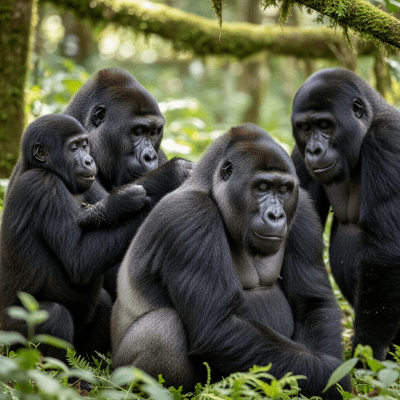
Image showing a group of Cross River gorilla (subspecies) (apes) engaging in typical social behavior
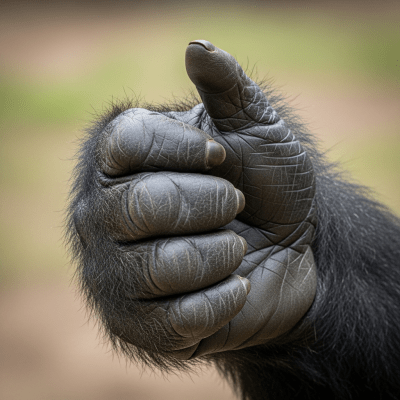
Close-up photograph of the hands or feet of a Cross River gorilla (subspecies), part of the taxonomy apes
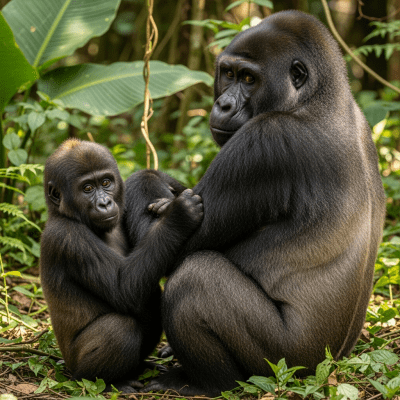
Photograph of a juvenile Cross River gorilla (subspecies) (apes) alongside an adult in their environment

Composition & Context

Taxon-Specific Insights

👥Social Structure

Typically, Cross River gorillas form small groups of four to seven individuals, led by a dominant silverback male. These groups include several females and their offspring, with social bonds centered around protection and cooperative care. The small group size reflects adaptation to limited habitat and resource availability.

🍃Diet And Feeding

The diet of the Cross River gorilla is primarily frugivorous, relying heavily on a variety of forest fruits. This is supplemented by leaves, stems, and occasional insects, allowing dietary flexibility in their montane forest environment. Their feeding behavior supports seed dispersal and forest regeneration.

⚠️Conservation And Threats

Classified as Critically Endangered, the Cross River gorilla faces severe threats from habitat disturbance, fragmentation, and illegal hunting for bushmeat and traditional medicine. Its extremely low population density and limited dispersal between forest patches exacerbate vulnerability. Conservation efforts focus on habitat protection, anti-poaching measures, and community engagement to safeguard this rare subspecies.

🧬Genetics And Evolution

Genetically distinct from other western gorillas, the Cross River gorilla exhibits unique genetic markers and a distinct population structure. These differences reflect long-term isolation and limited gene flow with neighboring gorilla populations. Its evolutionary lineage underscores the importance of preserving its unique genetic heritage within the western gorilla species complex.

Faq

Q: Where is the Cross River gorilla found?
The Cross River gorilla inhabits fragmented montane forests along the Nigeria-Cameroon border.
Q: Why is the Cross River gorilla critically endangered?
Its small population size, habitat fragmentation, and threats from hunting and human disturbance have led to its critically endangered status.

Q: Are there any captive Cross River gorillas?
No; all known Cross River gorillas live in the wild, with no captive breeding populations.