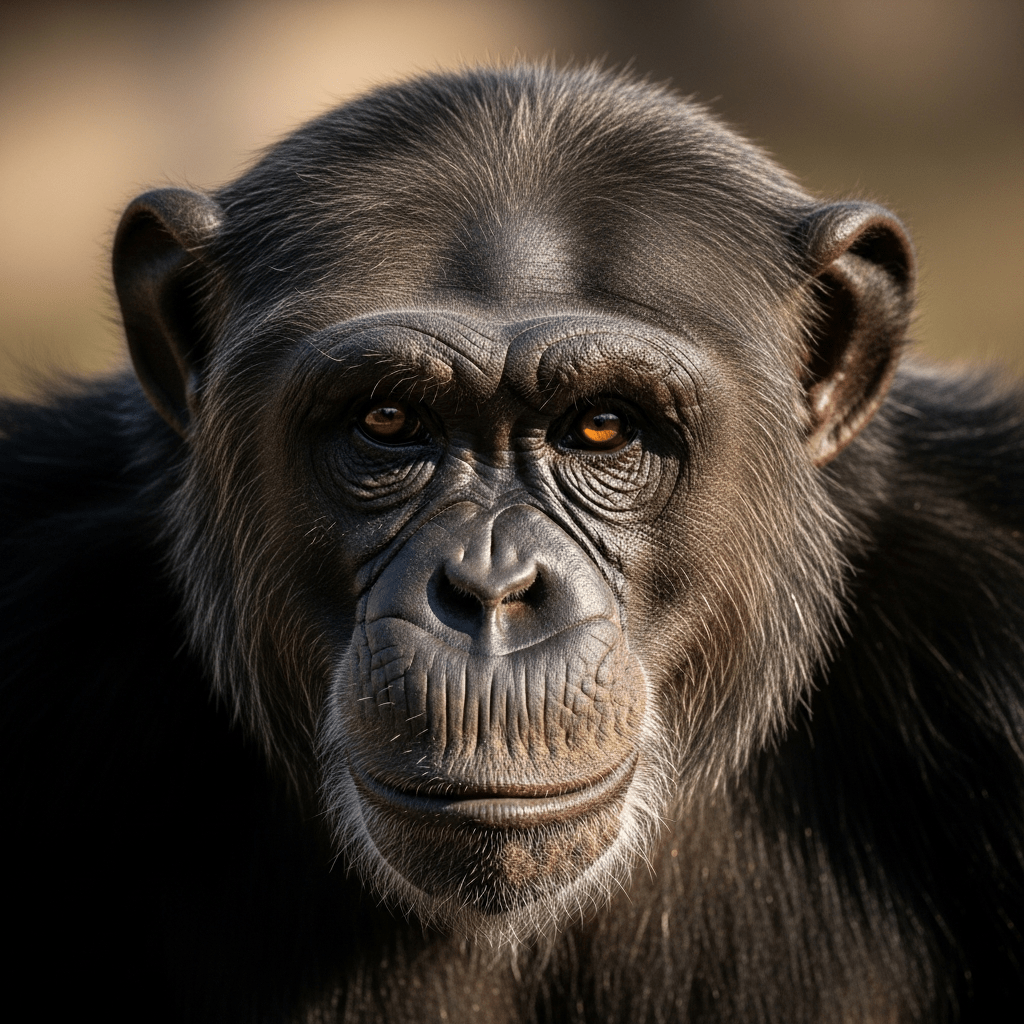
Chimpanzee
The chimpanzee (Pan troglodytes) is a highly intelligent great ape native to equatorial Africa, renowned for its complex social behavior and close genetic ties to humans.
The chimpanzee (Pan troglodytes) is a highly intelligent great ape native to equatorial Africa, renowned for its complex social behavior and close genetic ties to humans.
The species Pan troglodytes was first formally described by Johann Friedrich Blumenbach in 1775. It belongs to the great ape family and has evolved across the forests and savannahs of Africa, with its earliest origins rooted in this region, though precise fossil origins remain unclear.
Chimpanzees are classified within the superfamily Hominoidea (apes), family Hominidae (great apes), subfamily Homininae, tribe Panini, and genus Pan. They share this tribe closely with bonobos (Pan paniscus) and are part of the broader group that includes humans.
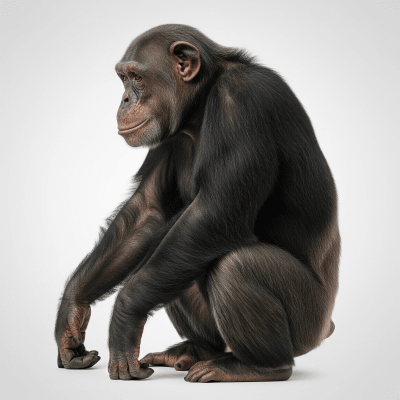
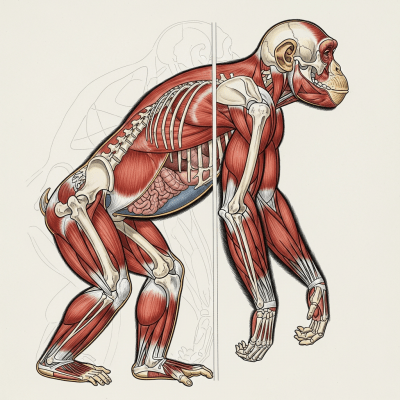
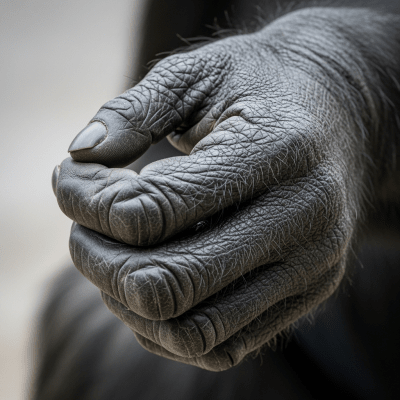
Chimpanzees are medium-to-large primates with adult heights ranging from 100 to 170 cm and weights between 27 and 60 kg. Their bodies are covered in coarse black hair, except for bare, lighter-colored faces, hands, feet, palms, and soles. Males are noticeably larger than females, exhibiting clear sexual dimorphism. They possess opposable thumbs and big toes, allowing adept movement both in trees and on the ground.
Chimpanzees live in dynamic fission-fusion communities of 20 to over 150 individuals, governed by intricate dominance hierarchies and kinship bonds. They demonstrate advanced cognitive skills, including tool use, problem-solving, and cultural transmission of behaviors. Historically, they have been subjects of biomedical research, though such practices are now largely restricted or banned. They also play a vital role in ecotourism and conservation education.
Bring this kind into your world illustrated posters, mugs, and shirts.
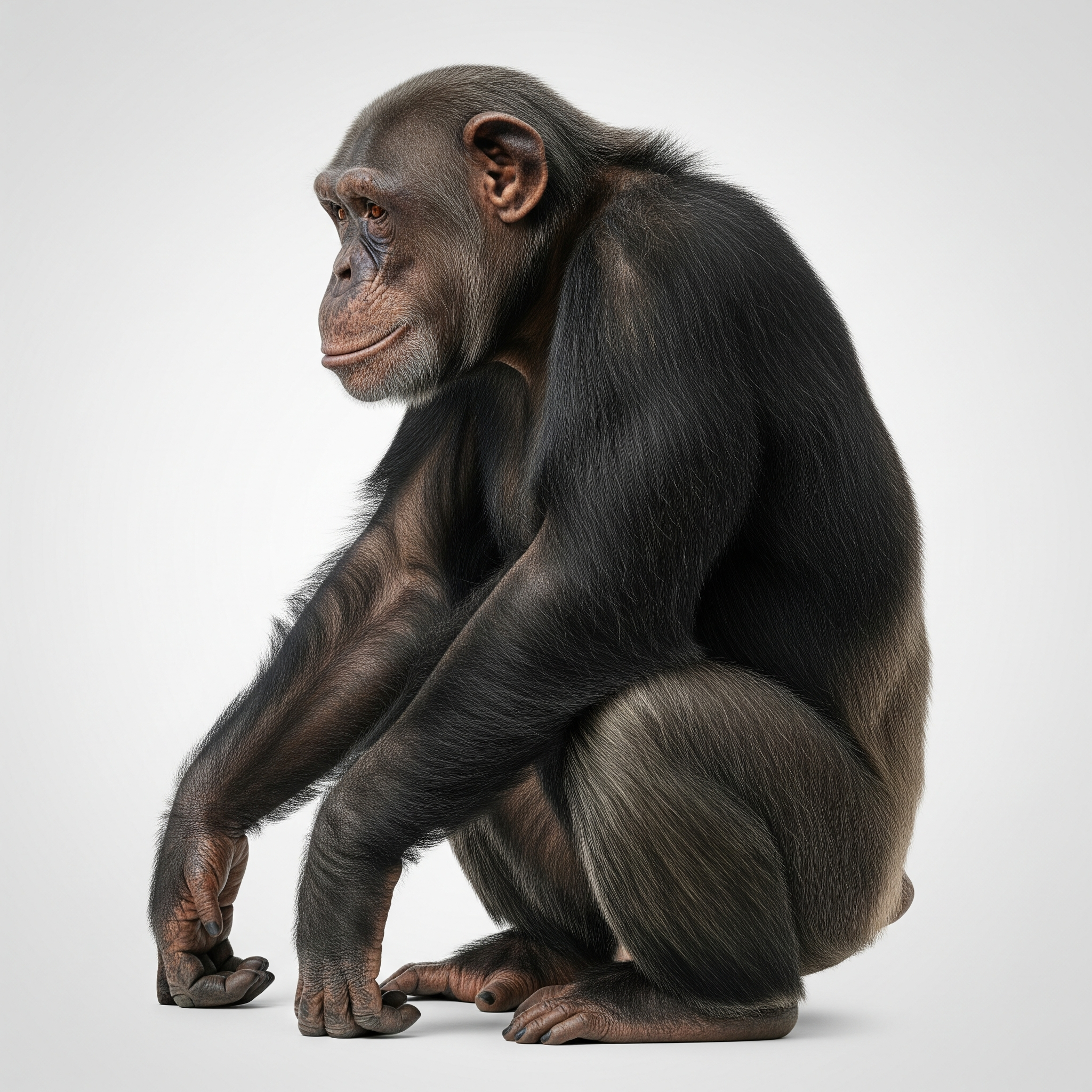
Archival print, museum-grade paper
Buy Poster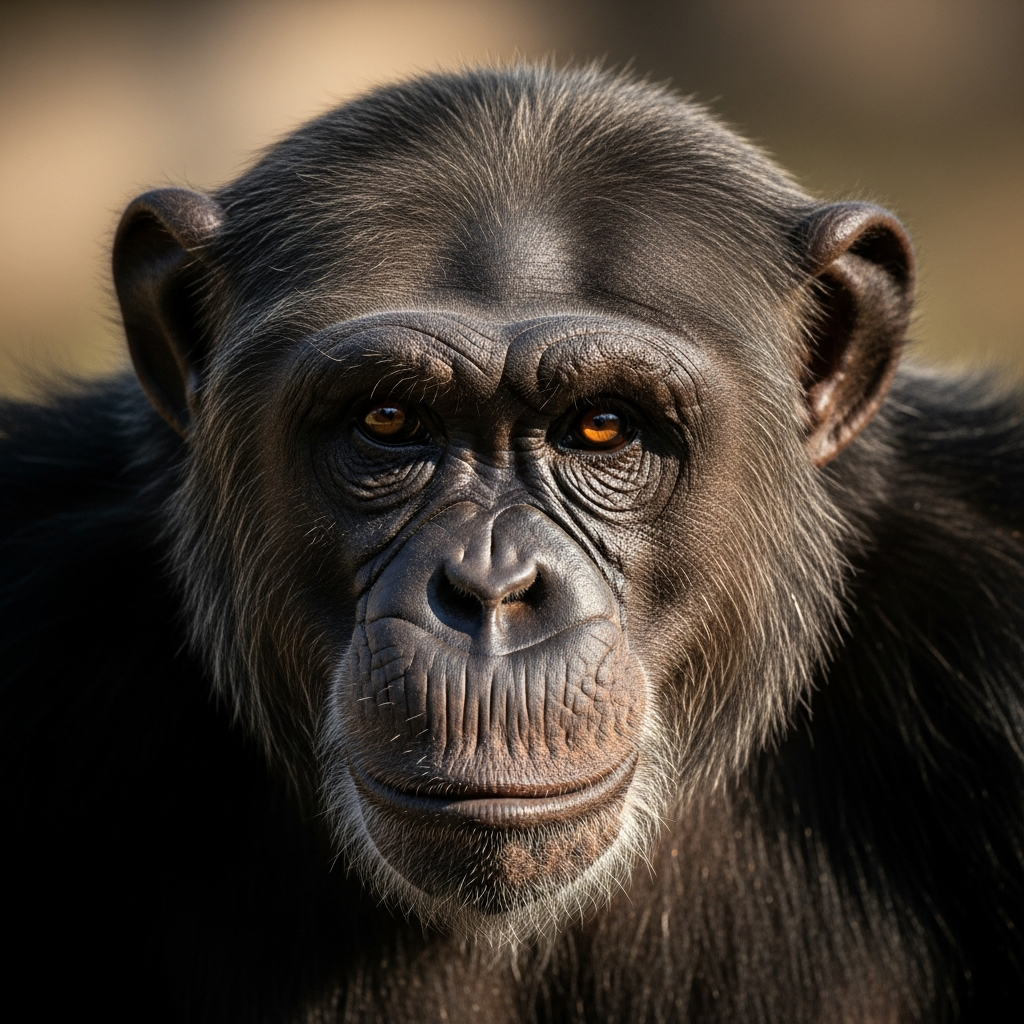
Stoneware mug, dishwasher safe
Buy Mug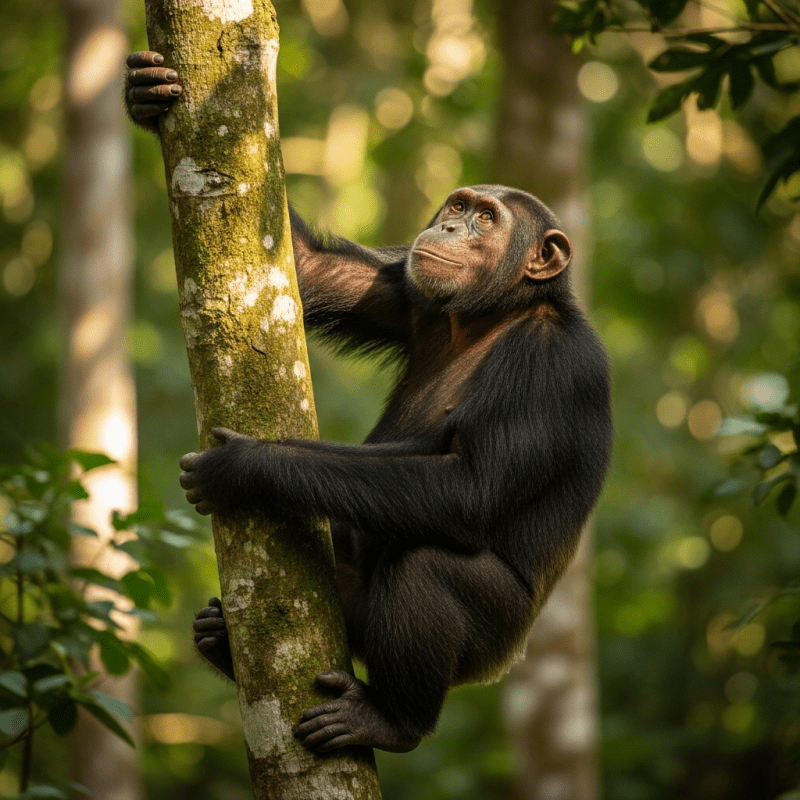
Soft cotton tee, unisex sizes
Buy ShirtChimpanzees hold profound cultural importance, featuring prominently in African folklore and global media. They symbolize intelligence and social complexity, inspiring documentaries, literature, and conservation campaigns. Despite this, they are often mistakenly called "monkeys" in popular culture, a misnomer that overlooks their distinct biological classification as apes.
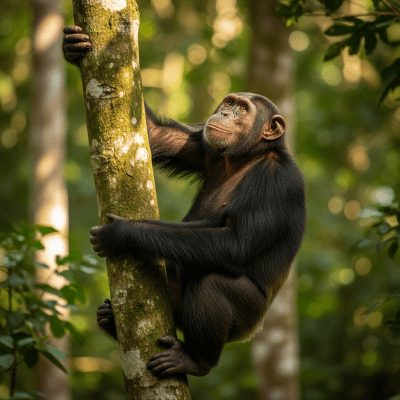
Chimpanzees inhabit a variety of environments including tropical rainforests, woodlands, and savannah mosaics across equatorial Africa. Their range extends from sea level up to elevations of 2,800 meters, covering countries in Central, West, and East Africa. Each of the four subspecies occupies distinct geographic regions within this broad distribution.
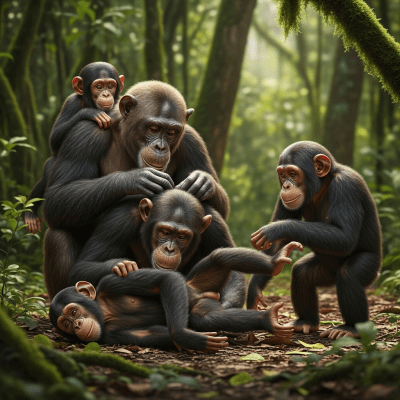
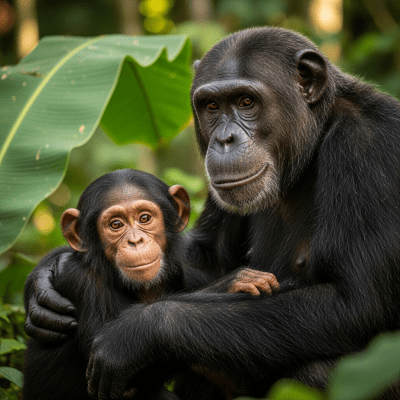
Chimpanzees live in fission-fusion societies where group size fluctuates between 20 and over 150 individuals. Social organization is complex, featuring dominance hierarchies primarily among males, strong kinship ties, and shifting alliances. This flexible social system supports cooperation, competition, and cultural transmission within communities.
Chimpanzees have an omnivorous diet dominated by fruits, leaves, seeds, and flowers. They also consume insects and occasionally hunt small vertebrates such as monkeys and antelope. Their feeding behavior includes notable tool use, such as using sticks to fish for termites, reflecting their adaptability and intelligence.
Chimpanzees are listed as Endangered, facing declining populations due to habitat destruction, poaching for bushmeat, disease outbreaks like Ebola and respiratory viruses, and illegal pet trade. Conservation efforts focus on habitat protection, anti-poaching measures, and public education. They are protected under CITES Appendix I, prohibiting international commercial trade.
Chimpanzees possess 48 chromosomes and share a close evolutionary lineage with humans and bonobos within the tribe Panini. Their genetic makeup reveals high similarity to humans, making them key species for understanding primate evolution. Genetic diversity varies among subspecies, and hybridization events are rare but documented in captivity.